Manchester City walked off the Etihad pitch knowing they had done just enough, but also knowing they are far from comfortable. The 2-0 win over Galatasaray was not just about the scoreline or qualification. It was about survival, relief, fatigue, injuries, and a strange night where Manchester City found themselves watching other teams’ results on mobile phones like nervous fans instead of Europe’s elite.
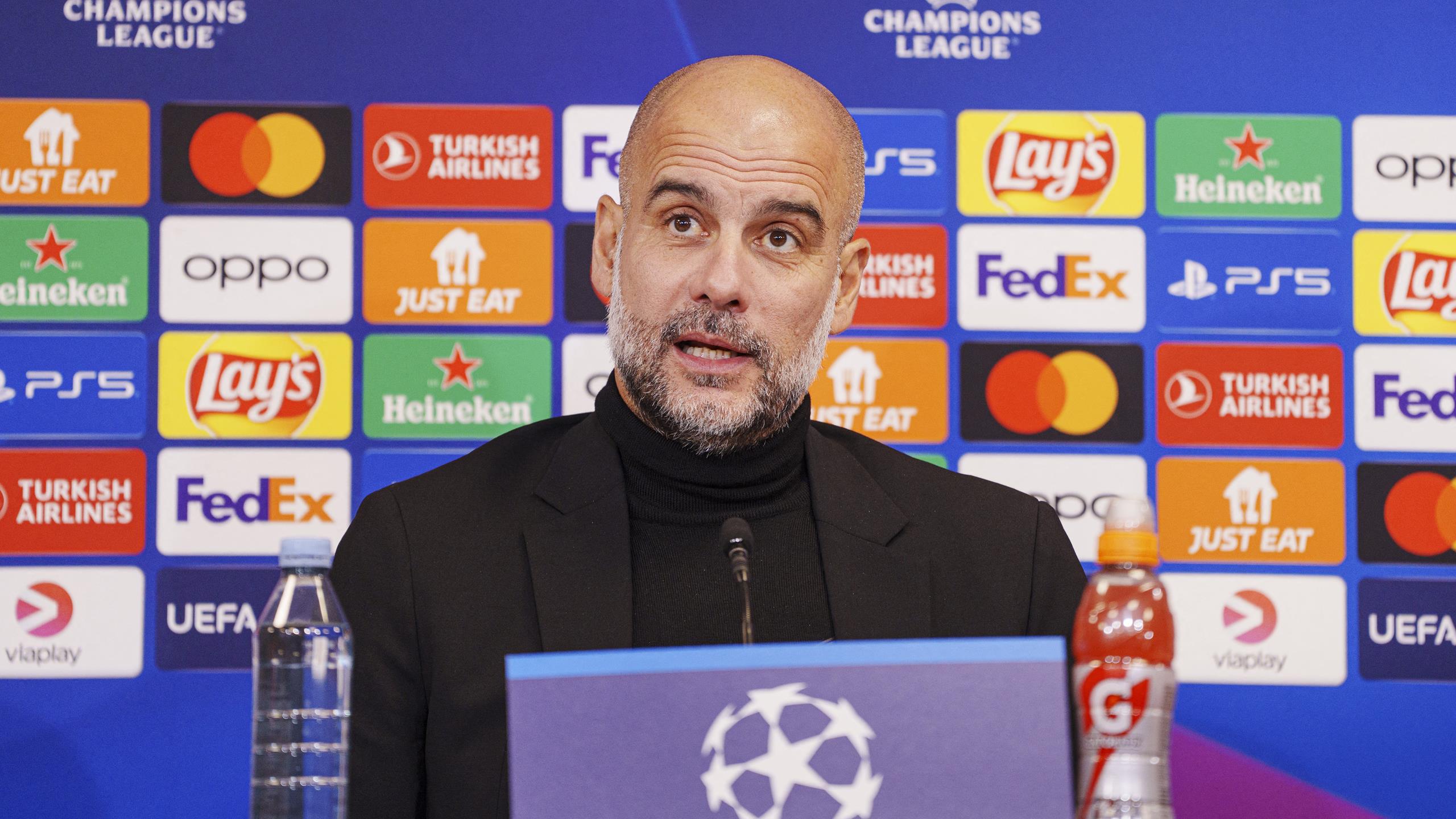
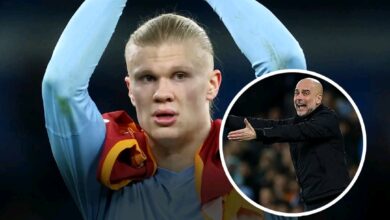
Pep Guardiola stood on the touchline clapping, shouting, hopping, and occasionally staring into space, looking like a man carrying the weight of a season on his shoulders. His team had reached the Champions League last-16 automatically, avoiding the dangerous play-off round, but it came at a cost. Another injury. Another problem. Another reminder that City are running on fumes.
This season has not been smooth. It has not been dominant. It has not been comfortable. It has been patched together with tape, ice packs, painkillers, and crossed fingers. The word fatigue has followed City everywhere in recent weeks, whispered in corridors and spoken loudly in press conferences. Guardiola has not hidden it. He has almost begged for rest.
That is why these free midweeks now feel like gold. Watching Champions League football from the sofa instead of the bench may sound strange for a club like Manchester City, but right now it feels necessary. With players dropping like flies, a packed February could have been disastrous.
Jeremy Doku became the latest name added to the injury list. Another muscle problem. Another calf. Another sigh from Guardiola. Doku had been electric, unpredictable, dangerous, and then suddenly he was gone. That is the story of City’s season in one sentence.
Sixteen points was always expected to be enough in this new Swiss-format Champions League. The system itself still confuses fans, players, and even managers, but City played what was in front of them. Losses to Bayer Leverkusen and Bodo/Glimt raised eyebrows and caused noise, but Guardiola calmly guided his team into the top eight.
The qualification itself was almost drama-free until it suddenly wasn’t.
As the final minutes ticked away, City players were not celebrating. They were not even watching the pitch. They were checking phones, refreshing scores, looking elsewhere. Results around Europe threatened to turn a calm night into chaos.
Inside the dressing room, attention turned to Benfica versus Real Madrid. If Madrid found a draw, City’s automatic qualification would be in serious danger. The tension rose. Then something incredible happened.
Benfica’s goalkeeper Anatoliy Trubin went forward for a late set-piece and scored. A goalkeeper. A goal. A moment of madness that changed everything. Jose Mourinho was seen sprinting down the touchline, arms flailing, celebrating like only he can.
Guardiola smiled when asked about it later.
“Of course,” he said. “We didn’t know Benfica needed a goal. We saw the goalkeeper and said, ‘why did you go up?’ But it was a good strategy for Jose.”
It was one of those surreal Champions League nights where your fate is decided hundreds of miles away by someone else’s bravery. Guardiola, Mourinho, goalkeepers scoring, and City players glued to phones. Football remains beautifully strange.
What this says about the Swiss format is a discussion for another day. City lost twice to teams many expected them to beat comfortably, yet still finished in the top eight. Some call it flawed. Others call it dramatic. Guardiola calls it football.
Now the reward is rest. And City desperately need it.
At half-time, City were somehow fourth in the overall table. Seven places gained in 45 minutes. Two goals scored. Control on paper, if not always on the pitch. Galatasaray fans had flooded parts of the home end, hundreds of them, loudly complaining about their team’s lack of threat. And they were right. Galatasaray showed no bite. No teeth. No belief.
Jeremy Doku was at the centre of everything.
Both goals came from his magic. Both moments came from his unpredictability. And then, cruelly, his night ended early.
Doku has been operating more centrally recently, playing in a box midfield role behind the strikers alongside Rayan Cherki. Earlier in the week, Doku admitted that he feels even more unpredictable now. Given that he often seems unsure himself what he will do next, that admission felt honest.
Against Galatasaray, it worked.
For the second goal, Doku twisted Davinson Sanchez inside out before laying the ball perfectly for Cherki. Sanchez had not looked that dizzy since Ilkay Gundogan sent him to the floor during Project Restart years ago. Football has a way of closing circles.
For the first goal, it was even better.
Ten minutes in, Doku received the ball near the centre circle. He feinted. He paused. He sold Gundogan a dummy so clean that the midfielder was left behind. Then he slid Erling Haaland through with precision and calm.
Haaland did the rest.
The Norwegian striker sprinted forward and dinked the goalkeeper with confidence. It was a moment that made everyone forget two things: the sitter he missed earlier and the fact that he hadn’t scored from open play for over a month. Strikers live on moments, and this was one Haaland needed badly.
The Etihad breathed again.
But just as quickly as joy arrived, concern followed.
Doku was clattered from behind by Davinson Sanchez. A nasty challenge. A calf problem. Another injury. Guardiola looked furious, then resigned. He knows the pattern too well now.
Ironically, this felt like the kind of game Oscar Bobb would have thrived in. Finding pockets, drifting between lines, causing quiet damage. Bobb was at the stadium, saying goodbye to teammates before driving to London overnight ahead of a medical with Fulham.
It feels strange writing that.
Oscar Bobb leaving Manchester City feels unfinished. He is reportedly going for £27 million, either permanently or on a loan with an obligation to buy. Details remain unclear, but the emotion does not.
Bobb’s City career ends with a sense of what could have been. Last season’s leg break changed everything. Before that injury, he was rising. Without his winner at Newcastle two years ago, City would not have gone on to make history with four consecutive league titles. That goal alone earns him a place in City folklore.
Not a bad line to end on, even if it feels early.
The second half told a familiar story. City lost control. They looked confused. Slow. Vulnerable. It has happened too often this season to be ignored.
Victor Osimhen forced Gianluigi Donnarumma into a smart low save. Galatasaray began to sense weakness through City’s soft centre. The visitors did not fully punish it, but the warning signs were clear.
Guardiola was animated. Shouting. Gesturing. Complaining.
“We missed too many clear chances,” he said later. “We had incredible problems defensively with lack of players, but the situation we have is up front.”
City almost invited Galatasaray back into the game. Their build-up from the back became aimless. Passes went sideways instead of forward. Space appeared. The Turkish side began to believe, without quite knowing how to hurt City.
The football became secondary for moments.
Pitch invaders appeared waving Kurdistan flags. Tensions rose in the stands. A flare was thrown from the away end towards home supporters. Police flooded in. Objects flew. Seven arrests were made. The game paused emotionally, if not officially.
It was ugly. Unnecessary. Dangerous.
When the final whistle came, relief washed over the stadium. Not joy. Not celebration. Relief.
City had done enough.
They avoided the play-offs. They secured precious rest. They lived to fight another day.
But nobody walked away believing this team is at full strength or full confidence.
Inter, Real Madrid, Benfica, or Bodo/Glimt now await in the knockout rounds. None are easy. All are dangerous. City will need bodies back, legs fresh, and minds clear.
Pep Guardiola knows this. He looks tired. He sounds tired. He feels the strain of a season built on survival rather than dominance.
Yet here they are. Still standing. Still alive in Europe. Still dangerous.