Pep Guardiola’s Unexpected Absence: What Man City’s Press Conference Drama Reveals About Leadership, Stability, and the Premier League Title Race

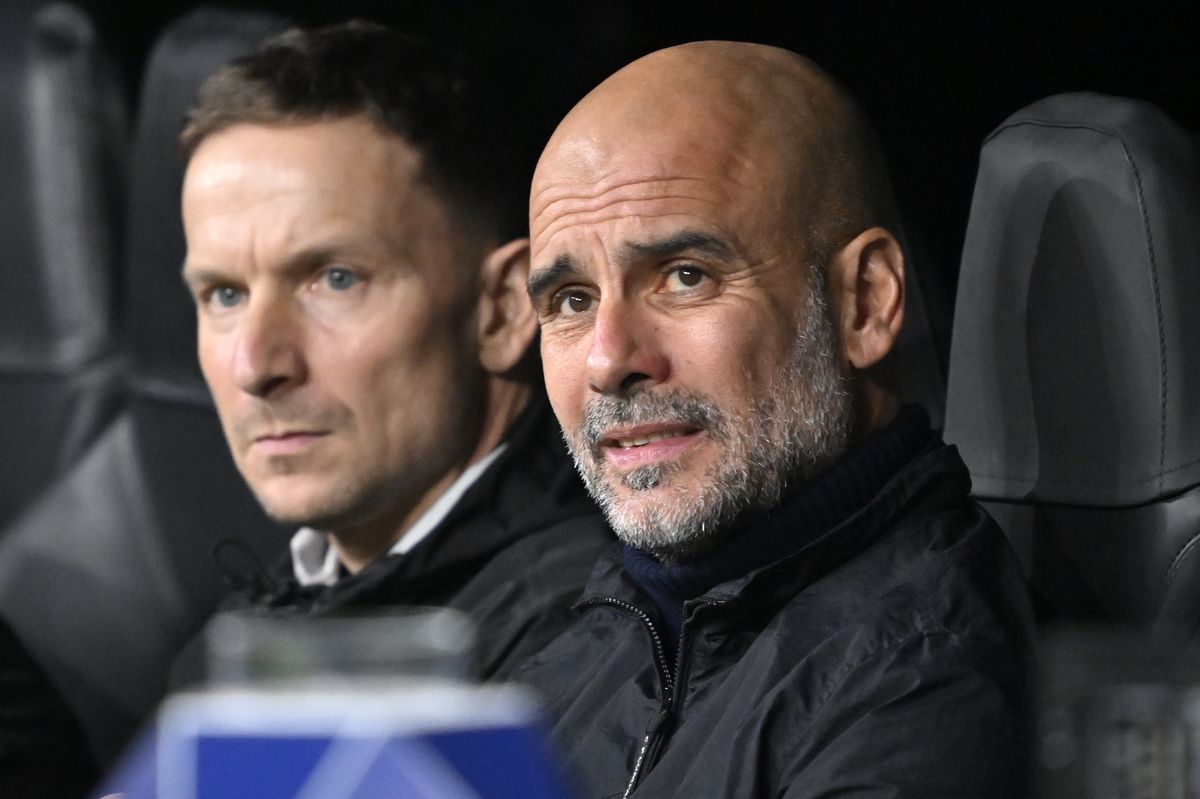
Football rarely moves in straight lines. Just when it looks predictable, a small wobble creates waves across the entire landscape. This week, that wobble came from Manchester City — not on the pitch, not in training, and not from a player injury — but from the news that manager Pep Guardiola would miss the club’s pre-Crystal Palace press conference due to a “personal issue.”
The announcement was brief, controlled, and calm, but its timing carried weight. Guardiola’s media presence is one of the most consistent fixtures in English football. He rarely misses a press conference unless something significant is happening behind the scenes. Naturally, fans, journalists, and pundits all paused.What began as a minor news update quickly evolved into a fascinating moment — not because of crisis, but because it revealed deeper truths about Manchester City’s leadership structure, squad stability, coaching evolution, and the state of their Premier League title pursuit.
This 3000-word breakdown explores everything this moment tells us: about Pep, about City, about coaching ecosystems, and about the Premier League narrative that refuses to sit still.
1. Pep Guardiola’s Absence: More Than a Headline
Guardiola’s sudden unavailability for media duties naturally generated conversation. In football, unexplained absences tend to spark speculation — injuries, illnesses, disagreements, or distractions.
But Manchester City immediately dispelled panic. The phrase “personal issue” was chosen with care. It reflects a simple truth: even elite managers with wild schedules and global visibility are human beings with private lives.
Why his absence matters at all
If this were almost any other manager, the news would barely ripple across social media. But Guardiola is different. He is the philosophical center of Manchester City’s identity, the architect of their dominance, the emotional barometer of the dressing room, and the most consistent voice speaking for the club.
When Pep talks, people listen:
- Fans listen.
- Opponents listen.
- Journalists listen.
- Even rival managers listen.
His press conferences are rarely routine. They often define the tone heading into a match week.
So when that voice is suddenly absent — even temporarily — it becomes noteworthy.
But City’s messaging was calm, deliberate, and confident
There was no attempt to create drama. No mixed messages. No contradictions. The club simply laid out the essential
In the hyper-accelerated world of football reporting, clarity and calm have become rare. City delivered both.
2. The Man Who Stepped In: Kolo Touré’s Rising Role
One of the most interesting layers of this story is not Guardiola’s temporary absence — it’s Kolo Touré’s sudden step into the spotlight.
Touré is already a beloved figure among football fans. As a player, he was charismatic, consistent, and emblematic of the Premier League’s early global evolution. But his coaching journey has been very different from his playing career.
From respected player to developing coach
Touré began coaching under Brendan Rodgers, learning tactical responsibility and leadership in quieter rooms — not under stadium lights. His move into management at Wigan Athletic was bold but short-lived. Few succeed in their first managerial challenge, and his brief spell did not define him.
Instead, he rebuilt.
He returned to Manchester City — this time not as a superstar defender, but as a humble, hardworking assistant eager to grow.
A strategic promotion
In 2024, Touré began working with City’s Under-18 squad under Oli Reiss. This was not a glamorous role. It required patience, empathy, and deep communication skills. It forced him to learn how to teach, not just how to lead.
But that experience became priceless.
When Carlos Vicens left for Braga at the end of last season, a gap opened between City’s academy and first team. In a club where youth integration is sacred, this gap needed a trusted bridge.
Touré became that bridge.
He was promoted into the first-team coaching picture — a move that many supporters underestimated at the time. But behind the scenes, his presence has been growing steadily.
His first major media appearance
Pep Guardiola’s absence created an unexpected opportunity:
👉 Kolo Touré would now address the media for the first time in his new senior role.
This is significant for two reasons:
- Public visibility changes a coach’s internal authority.
A press-conference appearance signals legitimacy. It shows the club trusts him with messaging, pressure, and representation. Not every assistant gets that privilege. - It represents Manchester City’s evolving coaching ecosystem.
City aren’t just using Pep’s brilliance — they’re building a layered, modern coaching structure designed to survive transition.
Touré’s role is no longer symbolic. It’s functional, meaningful, strategic.
3. Why Guardiola’s Staff Structure Matters More Than Ever
Manchester City’s dominance is not the work of one man. Pep is the conductor, but the orchestra is filled with elite minds:
- Pep Lijnders, formerly of Liverpool, experienced in youth development and tactical structuring.
- Thomas Krucken, academy director, responsible for long-term development pipelines.
- Jose (Head of Individual Player Development), tailoring bespoke training sessions.
- Hugo Viana and Txiki Begiristain, shaping sporting strategy at the executive level.
- Kolo Touré, bridging youth and senior environments.
This structure ensures continuity. Even when Pep steps aside — whether temporarily or eventually — City do not stall.
Guardiola himself has said repeatedly:
“The door to the first team is always open.”
Touré’s presence keeps that door open.
This is succession planning done right
Football clubs rarely plan for the future with discipline. Manchester City break that trend. They think long-term. They develop internal leaders. They integrate academy coaches into elite environments before they are needed.
Touré sitting at the press-conference table is a symbol of that long-term vision.
4. City’s Premier League Position — A Calm Storm Brewing
Manchester City enter the weekend two points behind Arsenal, with a trip to Crystal Palace ahead. Even at this early stage, the title race is already shaping into a contest defined by fine margins.
Arsenal’s resurgence puts pressure on City
Arsenal welcome Wolves on Saturday. On paper, that’s three points waiting to be collected. Mikel Arteta’s side have found consistency, aggression, and belief. For the first time since the Invincibles era, Arsenal genuinely look like a team built for title resilience.
But City’s experience remains unmatched.
The Sunderland win changed the narrative — but not for Pep
Last week’s victory cut the gap to two points. Many pundits declared:
“Momentum is shifting.”
“City are waking up.”
“This is where they take over.”
Guardiola doesn’t buy it.
As he told TNT Sports:
“At the beginning of December, no one is crowned champions… I prefer to be two points behind than 12, of course, but there’s still a long way to go.”
Pep’s message is clear:
👉 Momentum in football is a media invention.
👉 Pressure is manufactured.
👉 Champions are made in spring, not December.
His realism may frustrate pundits looking for a narrative twist, but it grounds his squad.
5. Champions League Frustration and Motivation
City’s loss to Bayer Leverkusen continues to linger. Had they won, they might have secured a stronger group-stage position.
Guardiola openly admitted his disappointment:
“It’s a pity we lost… we would have been second behind Arsenal in both competitions.”
But instead of sulking, he framed the loss as a source of motivation.
This is one of Guardiola’s greatest strengths — turning frustration into fuel. City’s squad is evolving. Younger players are emerging. Tactical relationships are still forming. Losses are not setbacks; they are learning points.
This philosophy is why City remain terrifying opponents.
6. The Pep Guardiola Psychology: Why He Rejects “Momentum Talk”
Every season, the media revolves around the idea of momentum — the magical force that supposedly carries teams to victory.
Pep rarely entertains that concept.
He views football as a process-driven sport. He prefers measurable performance indicators, not emotional tides.
His NBA comparison explained
Guardiola said something fascinating:
“When you talk about the NBA, you play 80 games… Here in Europe you lose one and suddenly momentum has changed.”
This reveals two truths:
- Pep dislikes binary thinking.
Win = amazing.
Lose = crisis.
He rejects this narrative completely. - He views football season-wide, not match-to-match.
The Premier League may be unforgiving, but reacting dramatically to each result is counterproductive.
This is why City are consistent.
This is why they recover quickly.
This is why their dips never become collapses.
Pep is not here to ride waves — he is here to steer the ship.
7. What Guardiola’s Philosophy Means for the Title Race
Pep said something powerful:
“We destroyed the casino in the past few years… our standards are so high.”
He’s right. Manchester City have redefined excellence:
- Multiple Premier League titles.
- A historic treble.
- Records shattered.
- A style of football that forced rivals to evolve or be left behind.
Now, City’s biggest opponent is not Arsenal, Liverpool, or Aston Villa.
It’s expectation.
When you win so much, the world measures you against your own perfection.
Pep refuses to let his squad be trapped by that.
8. City’s Growing Squad Identity
Guardiola highlighted that his players are “growing” — and this is a key theme for the season.
City are evolving into a slightly younger, more flexible team. Veterans are transitioning. Roles are shifting. The tactical identity remains, but the pieces are different.
The Crystal Palace match offers a chance for:
- Rotation
- Youth involvement
- Tactical experimentation
Pep’s absence from the press conference won’t change any of that. His plan is already in place.
9. How Kolo Touré’s Press Conference Helps Man City’s Culture
Touré’s presence at the conference is not just symbolic. It has real, practical impacts:
1. It strengthens staff authority
Players notice when assistants step into leadership roles. It elevates Touré’s voice in training and meetings.
2. It builds trust within the club
Young players already admire him; now the senior squad sees him as a public representative.
3. It prepares him for future opportunities
This could be the first of many contributions beyond the training ground.
4. It shows the world City’s coaching depth
Pep’s absence didn’t cause panic — because he has built a system, not a dependency.
This is what great managers do:
They prepare the club for moments when they cannot be present.
10. The Psychological Impact on the Squad
Football squads react to leadership shifts. Pep’s temporary disappearance from media duties could have caused:
- Anxiety
- Confusion
- Rumor-spreading
But instead, the reaction was simple:
Business as usual.
This shows four important things:
- The players trust the coaching staff beyond Pep.
- The leadership group (De Bruyne, Walker, Rodri, Dias) maintain internal stability.
- Communication inside the club is strong and coordinated.
- City do not rely on drama to motivate themselves.
If anything, this minor disruption reinforces the team’s mental resilience.
11. Bigger Picture: Manchester City Are Built for Longevity
A club becomes dominant not through wins alone, but through structure. Manchester City have built:
- A long-term coaching pipeline
- A robust academy system
- Elite recruitment
- Strategic leadership
- Consistent sporting philosophy
Pep is the heartbeat, but the body can function even when the heart rests momentarily.
This is what separates Manchester City from clubs still struggling with direction.
12. The Premier League Context: Why Every Detail Matters
City are two points behind Arsenal.
Arsenal face Wolves.
City face Crystal Palace.
It sounds straightforward, but the Premier League rarely behaves predictably.
A missed press conference is not a crisis. But it is a reminder that small stories often accompany big seasons. The race will turn on:
- Tactical decisions
- Squad rotation
- Injuries
- Mentorship structures
- Staff cohesion
- Psychological resilience
City remain the most complete team in all of these categories.
13. What to Expect at Selhurst Park
Crystal Palace away is never simple. Selhurst Park has hosted countless upsets. City must be sharp, focused, and disciplined.
Guardiola’s “personal issue” doesn’t change the tactical blueprint. His staff know the plan. The players know the expectations. Kolo Touré stepping in creates continuity, not chaos.
Expect:
- High possession
- Rotational midfield roles
- Wide overloads
- Patient buildup
- Pressing traps
- Young players potentially involved
City at 80% are still more dangerous than most teams at 100%.
14. Final Thoughts: No Crisis, Just Evolution
Pep Guardiola missing a press conference is unusual — but it does not signal instability.
If anything, it highlights Manchester City’s greatest strength:
👉 A club identity strong enough to function smoothly even when the biggest figure briefly steps aside.
Kolo Touré’s emergence is a story worth watching.
City’s title chase is intensifying.
The squad is maturing.
The coaching staff is evolving.
The Premier League narrative is shifting weekly.
And through it all, Manchester City remain exactly where they prefer to be:
Close behind.
Quietly confident.
Calm.
Dangerous.
Growing.
In December, nobody wins leagues — but the foundations are built. City’s foundation looks as solid as ever.