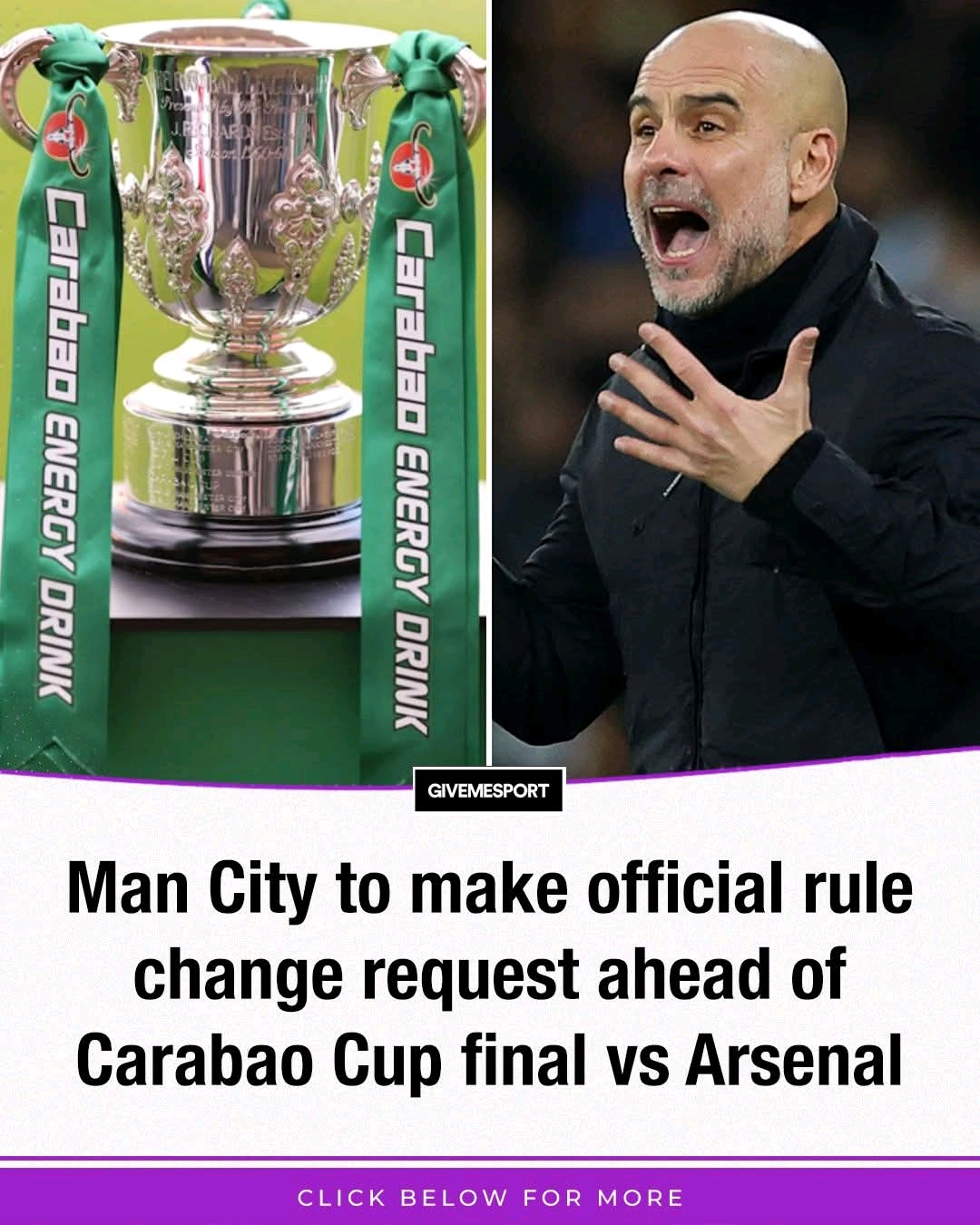
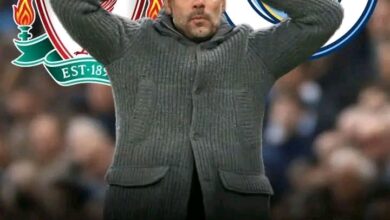
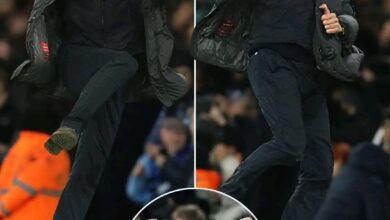
Manchester City are back where they believe they belong, walking calmly but confidently toward another major final, another night under the bright lights, another chance to remind English football who they are. On a cold Wednesday evening, with expectations heavy on their shoulders and pressure already decided before the first whistle, Pep Guardiola’s side did exactly what champions are supposed to do. They finished the job. They crushed Newcastle United over two legs and booked their place in the Carabao Cup final, where Arsenal now wait.
City went into the second leg of the semi-final already in control. A 2-0 win at St James’ Park had given them a strong advantage, and everyone inside the Etihad knew that Newcastle needed something close to a miracle. Pep Guardiola wanted calm. He wanted control. He wanted no drama. What he got instead was dominance, authority, and a reminder of why Manchester City, even in a season that has not felt perfect, are still one of the most feared teams in Europe.
From the opening minutes, City played with the confidence of a team that knew the tie was already leaning heavily in their favour. The ball moved quickly. The passes were sharp. Newcastle tried to press, tried to show belief, but belief alone is never enough against a Guardiola team when they smell blood. Omar Marmoush, lively and fearless, struck twice in the first half, punishing every small mistake Newcastle made. Tijjani Reijnders added another before the break, and by halftime the tie was over in every sense except the official scoreline.
Newcastle did manage to score after the hour mark through Anthony Elanga, a goal that briefly lifted the away end and created a flicker of hope, but it was false hope. City never panicked. They never lost their shape. They never looked unsure. Over the two legs, the final score read 5-1, and that number told the full story. This was not a battle. It was a lesson.
As the final whistle blew, Guardiola applauded the fans, shouted instructions even though the job was done, and looked like a man already thinking ahead. Because for Pep Guardiola, reaching finals is not the end goal. It is the expectation. What matters now is what comes next, and what comes next is Arsenal at Wembley.
The Carabao Cup final is scheduled for Sunday, March 22, and as tradition demands, it will be played at England’s national stadium. Wembley. A place full of history, glory, and controversy. For Guardiola, Wembley is familiar territory. He has walked those steps many times. He has lifted trophies there. He has also suffered disappointment there. But this time, there is something else on his mind, something that has already started to irritate him.
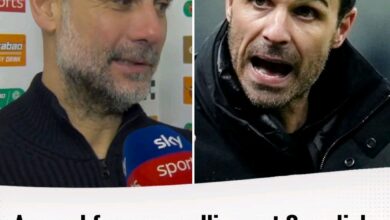
After the semi-final victory, Guardiola spoke openly, and as always, his words travelled fast. He praised Arsenal, calling them possibly the best team in Europe, maybe even the world. That alone was enough to make headlines. But then he turned to the subject of Wembley itself, and that is where the noise really began.
Guardiola made it clear that he was not happy with the location of the final. Not because Wembley is a bad stadium, not because the pitch is poor, but because of geography. Arsenal are a London club. Wembley is in London. Manchester City are from the north. They must travel. Arsenal do not. To Guardiola, that matters.
He spoke about the repeated journeys south, about how often City have had to travel to London for finals, and how rarely teams from the capital are asked to go north for similar occasions. He did not shout. He did not accuse. But his tone carried frustration. The kind of frustration that comes from feeling that something has been accepted for too long without question.
He reminded everyone that City’s first trophy under his management came in the Carabao Cup. He spoke about how winning one trophy often leads to winning more, about how success feeds belief. He also pointed out that reaching five finals in ten years is not normal. It is an achievement. A milestone. One that deserves respect.
But football fans rarely deal in balance, and Arsenal supporters, already confident and already emotional about facing City again, reacted quickly and angrily. Social media filled with comments mocking Guardiola. Some accused him of making excuses early. Others said he was afraid of Mikel Arteta. A few went further, calling him pathetic, calling him a clown, saying he always complains.
This reaction, in many ways, was predictable. Guardiola has never been silent when he believes something is unfair or illogical. He speaks his mind, even when it costs him popularity. And in truth, his comments were not about Arsenal. They were about structure. About routine. About fairness over time.
Still, the debate raged, and it added another layer of tension to a final that already carries history. Arsenal and Manchester City are no longer just rivals on the pitch. They are symbols of two different football identities, two different journeys, and two different philosophies, even though Arteta himself learned much of his trade under Guardiola.
As the noise around Wembley continued, Guardiola introduced another topic that could become even more controversial in the weeks leading up to the final. Squad selection. Specifically, the situation surrounding Marc Guehi.
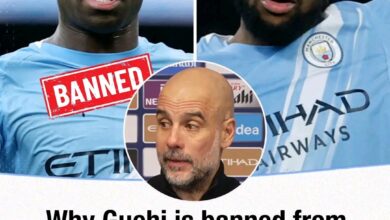
Guehi, who joined Manchester City in a major transfer, was unable to play in the semi-final against Newcastle because he was cup-tied. Under current rules, that also means he cannot play in the final. To Guardiola, this makes no sense. And he did not hide his feelings.
He explained that the club invested heavily in the player, that Guehi belongs to Manchester City, trains with them, plays for them, and represents them. Yet because of a rule that has nothing to do with fitness, form, or fairness, he is banned from the final. Guardiola said clearly that he does not understand this rule. Not emotionally. Logically.
He confirmed that Manchester City will write to the Carabao Cup organisers, requesting a rule change or an exception. He knows it is unlikely. He knows these rules are old and deeply rooted. But he feels the situation is wrong, and he feels it is his duty to challenge it.
In his view, if a player is legally signed during an open transfer window, approved by the relevant authorities, and registered with the club, then that player should be allowed to play in all competitions from that moment on. He questioned why FIFA, UEFA, or the Premier League can approve a transfer, but a domestic cup competition can still block the player from participating in its final.
He also pointed out that by March, Guehi will have been at the club for a long time. He will not be a new arrival trying to exploit a loophole. He will be part of the squad, part of the system, part of the journey. To Guardiola, excluding him feels outdated and unfair.
This stance once again divided opinion. Some fans agreed, saying football rules need to evolve with the modern game. Others accused City of trying to bend the rules to suit themselves. But Guardiola did not back down. He rarely does.
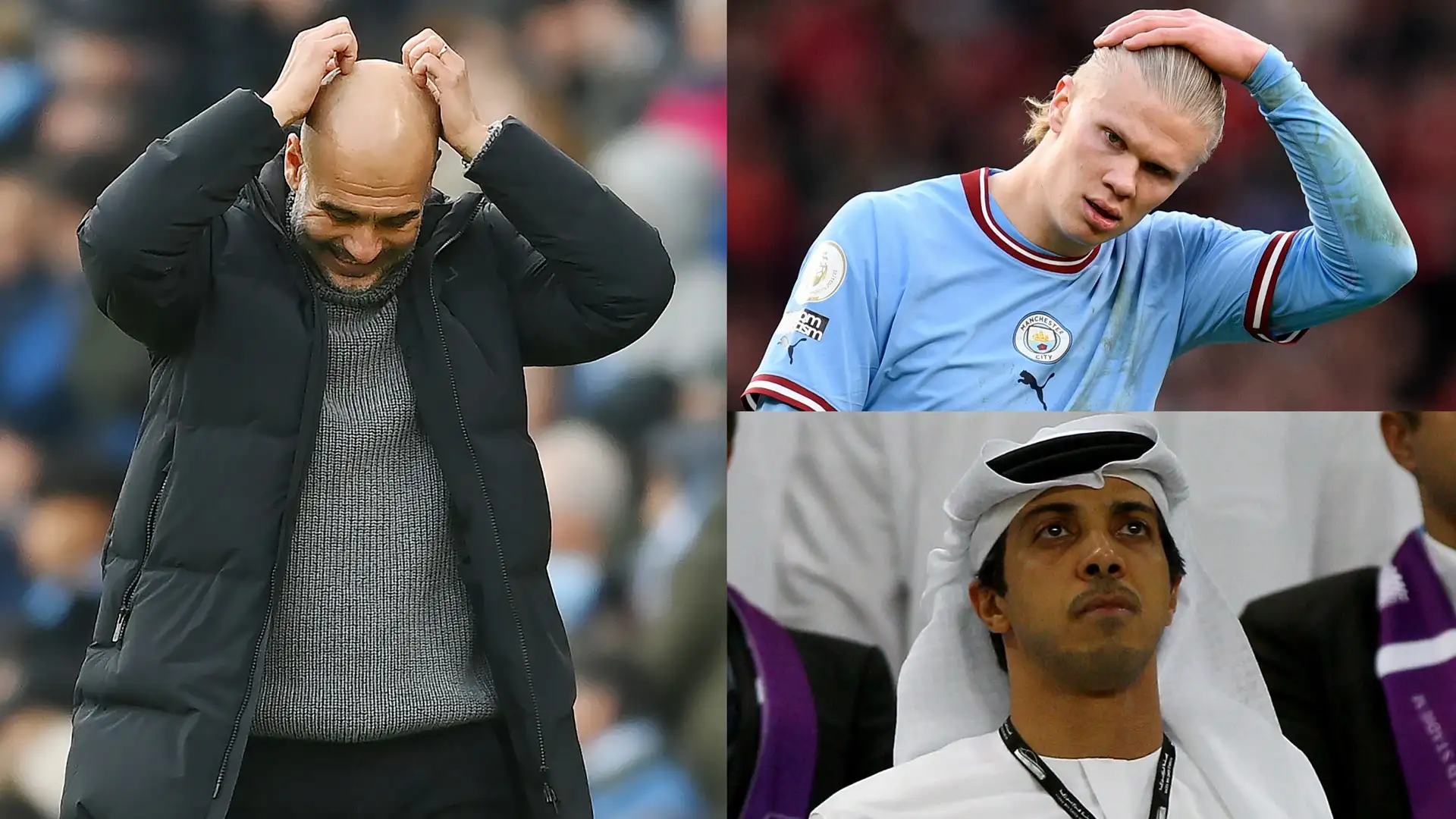
All of this is happening against the backdrop of a season that has not followed Manchester City’s usual script. There have been injuries. There have been dips in form. There have been questions about hunger, about transition, about whether this great City cycle is slowly coming to an end. Guardiola hears these questions. He feels them. And he responds the only way he knows how, by pushing forward, by demanding more, by fighting on every front.
The Carabao Cup final is now more than just a chance to win silverware. It is a chance for City to end a trophy drought that, by their standards, has lasted far too long. Almost two years without lifting a cup is unacceptable in Guardiola’s world. This final is a statement opportunity.
For Arsenal, the final represents something different. A chance to prove they can beat City when it really matters. A chance for Arteta to step out of his mentor’s shadow. A chance to turn recent pain into triumph. That is why Guardiola’s praise for them matters. He knows how strong they are. He knows how dangerous they can be.
Wembley will be full. The noise will be deafening. The pressure will be enormous. And every comment made now, every argument about travel, rules, and fairness, will feed into the story of the match.
Guardiola understands this better than anyone. He has always known that football is not just played on grass. It is played in minds, in media rooms, in conversations, in small moments that build tension. His words after the Newcastle game were not random. They were deliberate. They were honest. And they were part of the bigger picture.
As March approaches, Manchester City will prepare in their usual intense, obsessive way. Arsenal will do the same. The arguments will continue. The fans will argue. The pundits will debate. The rules will be questioned. The excuses will be accused. And through it all, Guardiola will keep pushing, keep talking, keep challenging.
Because for Pep Guardiola, football has never been about accepting things quietly. It has always been about asking why, about demanding better, about believing that the game can improve if people are brave enough to speak.
Whether Marc Guehi plays or not. Whether City travel again or not. Whether Arsenal feel comfortable at Wembley or not. None of that will matter once the whistle blows. What will matter is who controls the ball, who controls their nerves, and who takes their chance.