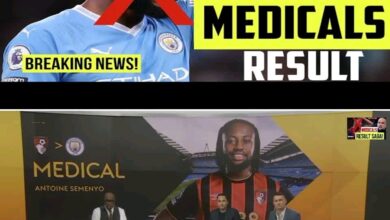
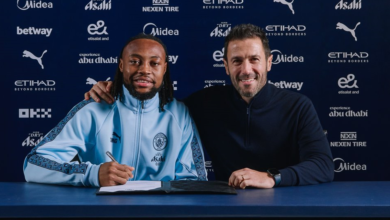
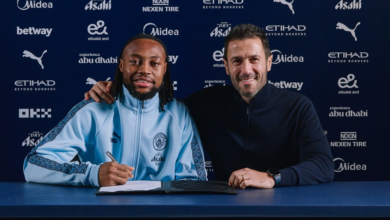
Darren Fletcher attempt fails as Man City beat Man Utd to midfield gem: ‘medical passed’, ‘deal signed


Manchester United’s January transfer plans have been rocked after another disappointment in their pursuit of top midfield talent. Darren Fletcher, the Red Devils’ director of football, had reportedly made a move to secure a rising star from a rival club, hoping to bolster the middle of the park and add creativity to a team that has struggled for control in key matches this season. The plan, however, has collapsed in dramatic fashion, as Manchester City have swooped in, completing the deal while United are left to pick up the pieces. The news sent shockwaves through Old Trafford, leaving fans frustrated and questioning the club’s ability to compete in the transfer market with their biggest rivals. The midfielder, whose identity has been kept under wraps by insiders until now, has reportedly passed his medical and signed a contract with the reigning Premier League champions, leaving Manchester United staring at what could have been one of the most important signings of the winter window. This failure has become the latest chapter in United’s ongoing struggles to secure elite talent, particularly when faced with competition from Manchester City, whose financial strength and winning reputation continue to tip the balance in their favor.
The story of this transfer saga begins several weeks ago. Darren Fletcher, charged with reshaping United’s squad in the January window, identified the young midfielder as the perfect addition. The player is highly versatile, capable of dictating play from deep, breaking lines with incisive passes, and supporting both attack and defence. Reports suggested that United saw him as a key piece in a rebuild, someone who could offer a long-term solution in a midfield that has been inconsistent and sometimes exposed under pressure. Fletcher, whose experience as a former Manchester United captain gives him insight into the club’s needs, believed he could convince the player to choose the Red Devils over other suitors. Negotiations were reportedly underway, with the club ready to offer a competitive package, including wages and performance incentives designed to lure the midfielder to Old Trafford.
However, as United moved closer to finalizing their bid, Manchester City entered the picture. The Premier League leaders, who have dominated the domestic scene in recent seasons, are known for their ability to close deals quickly when a target fits their tactical needs. Pep Guardiola, always looking to strengthen his squad with technically gifted players, had identified the midfielder as an ideal candidate to complement City’s existing core. Sources claim that City acted swiftly, submitting a formal offer and initiating talks that ultimately outpaced United’s attempts. Unlike United, whose negotiations were reportedly cautious and drawn out, City moved decisively, making it clear they were serious and ready to secure the player immediately.
The difference in approach between the two clubs became a defining factor. United, often criticized for their hesitancy in the transfer market, struggled to match City’s speed and clarity. Fletcher, though experienced, faced a situation where timing was critical, and delays or internal disagreements within the club may have contributed to the failed attempt. City, on the other hand, leveraged both their financial power and the allure of competing for trophies to convince the player that a move to the Etihad Stadium was the best option. Within days, the deal was reportedly completed, with the midfielder passing his medical and signing a contract that secures his services for the next several seasons.
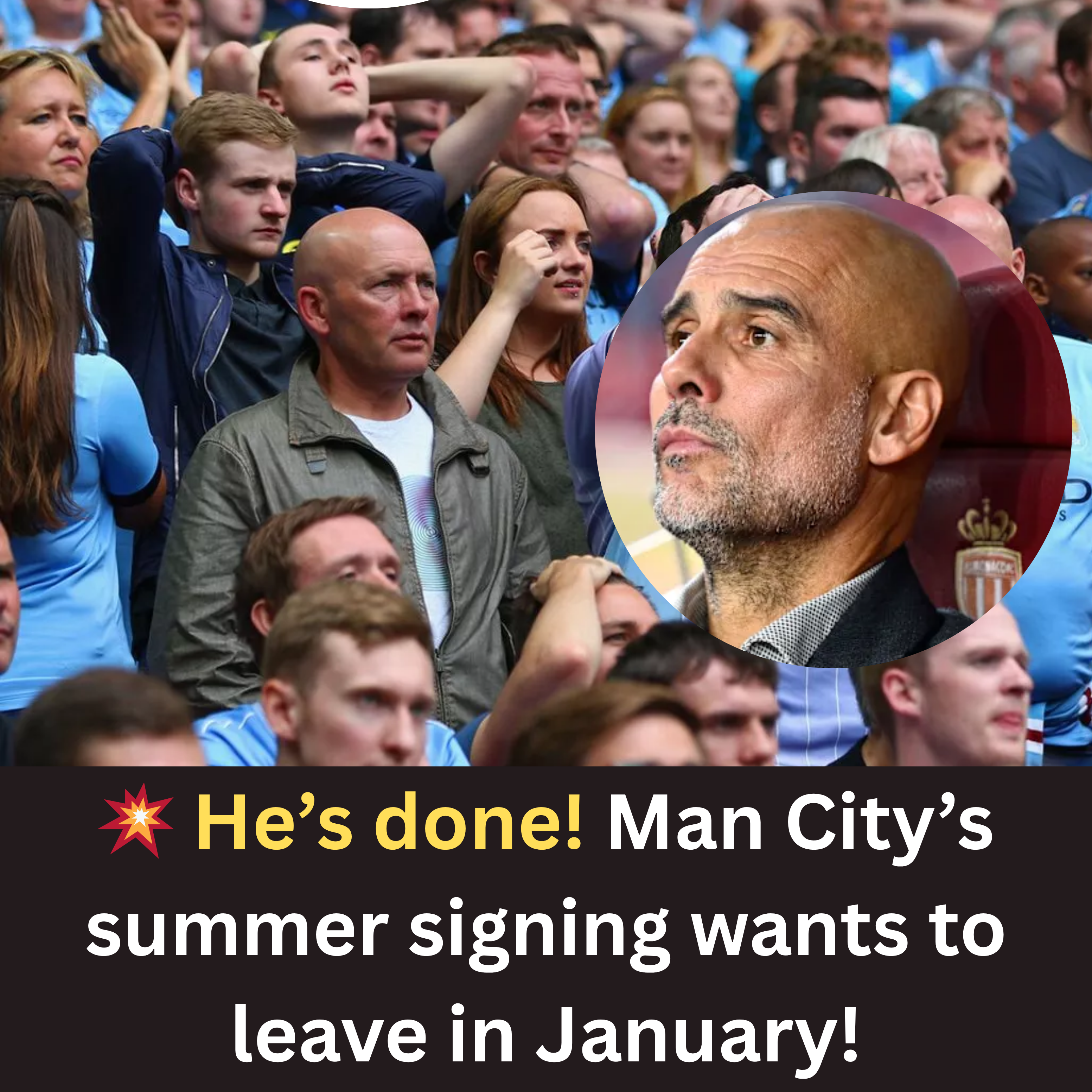
The immediate reaction from United’s fanbase was one of shock and anger. Social media exploded with frustration at the club’s inability to close a deal that seemed within reach. Many supporters pointed to the ongoing pattern of United being outmaneuvered by City in the transfer market, suggesting that structural issues within the club’s management were to blame. Headlines emerged questioning Fletcher’s strategy, with pundits analyzing whether his approach had been too cautious or whether external factors, including City’s aggressive intervention, had made the outcome inevitable. Fans expressed concern not just for the missed opportunity but for the message it sends to future transfer targets. If Manchester United cannot compete with City for top-tier players, the perception of the club as a destination for elite talent could continue to weaken.
From the player’s perspective, the decision appears to have been straightforward. Reports indicate that the midfielder was attracted by City’s current trajectory, the chance to work under Guardiola, and the opportunity to compete for trophies consistently. Manchester City’s style of play, which emphasizes technical skill, fluid passing, and positional intelligence, matches the player’s strengths perfectly. For a young footballer eager to develop, play regularly at the highest level, and challenge for titles, the Etihad Stadium offered the complete package. United, despite their history and global brand, could not match the combination of immediate sporting ambition and professional growth that City promised.
Related Posts:
This episode also highlights a broader issue in Manchester United’s transfer operations. Despite significant investment in recent seasons, the club has struggled to translate financial resources into successful signings when faced with competition. City’s success is not just built on money but also on meticulous planning, decisive execution, and a clear vision from the top down. Guardiola’s influence and the club’s established culture make it easier for targets to see a move as both logical and desirable. United, meanwhile, continue to face questions about internal coherence, decision-making speed, and alignment between scouts, management, and board members. The failed Fletcher attempt has become a symbol of these challenges, amplifying scrutiny and fan dissatisfaction.
Interestingly, the timing of this saga coincides with critical moments in the Premier League calendar. City, leading the title race, can afford to be selective, signing players who can make an immediate impact. United, chasing a return to top-four positions, cannot afford mistakes, yet they appear increasingly reactive rather than proactive in their market strategy. Analysts have suggested that missing out on this midfielder could have tactical implications for United, especially as they look to stabilize their midfield and add creativity and control. Without this player, questions remain about the depth and quality available to Erik ten Hag, particularly against elite opposition in crucial matches.
While the transfer window still has weeks to run, the reality is that United’s chances of salvaging a similar deal are now diminished. Other clubs observing the situation are likely to be wary of United’s competitive position, knowing that City have proven capable of acting decisively and winning the race for sought-after talent. For Fletcher, this represents not just a single failed attempt but a warning about the pace and approach needed to compete at the highest level. The Red Devils must adapt, become faster in negotiations, and communicate a compelling sporting vision to attract players who have multiple options.
City’s successful capture of the midfielder also sends a message across the Premier League. Competitors see that the reigning champions are capable of reinforcing their dominance, while United, despite their prestige, are vulnerable to being outmaneuvered. The psychological impact on both clubs cannot be understated. For City, it reinforces their image as the club that wins not only on the pitch but also in the market. For United, it is a blow to credibility and momentum, raising questions about future transfer strategy and the ability to compete with neighbors both domestically and in Europe.
The midfielder himself now faces a new chapter in his career. At City, he will join a squad brimming with talent, facing competition for places but also learning from some of the best players and coaches in the world. The environment is intense, with expectations to perform at the highest level every week, yet it is also one that rewards excellence, tactical intelligence, and versatility. Guardiola will likely integrate him carefully, ensuring that his strengths are maximized while allowing for adaptation to City’s intricate playing style. For fans, this move represents a statement of intent, a signal that City are planning for both immediate impact and long-term success.
Meanwhile, United must regroup and reassess their options. Fletcher’s failed attempt cannot be ignored, and the club must explore alternative targets, consider loan deals, or potentially adjust their tactical approach based on available players. The challenge is immense, given the need for January reinforcements to adapt quickly and influence matches in a short period. Every game lost or drawn in the coming months will increase pressure, and missing a key midfield addition could be a factor in whether United achieve their domestic and European objectives.
Critics of United’s transfer policy have pointed to systemic issues beyond Fletcher’s personal responsibility. The club’s decision-making structures, historical reliance on high-profile but sometimes short-term solutions, and lack of a coherent long-term vision have all been cited as contributing factors to repeated market failures. City, in contrast, offer a blueprint for success: clarity, consistency, and an environment that is attractive to players because they see a path to trophies, development, and personal growth. Fletcher, despite his football knowledge and club experience, must navigate these structural limitations while trying to compete with a rival who has perfected their approach over years.
The emotional side of this saga is also worth noting. Fans and insiders alike have expressed disappointment not only for United but for the player himself. A move to City guarantees success and exposure, yet it also places him in a rival’s jersey, a reminder of what United could not offer. Football is filled with such dramatic twists, where careers are shaped as much by timing, perception, and opportunity as by ability and effort. In many ways, the midfielder’s journey reflects the modern game’s realities: talent alone is rarely enough; positioning, timing, and alignment with the right club culture often determine career trajectories.
Looking ahead, this failed attempt will linger in Manchester United discussions for months. Analysts, former players, and fans will dissect the sequence of events, looking for lessons and understanding where the process went wrong. Fletcher, known for his candidness and professionalism, is expected to take responsibility internally while working to ensure that future negotiations are smoother, faster, and more competitive. The January window remains open, but the missed opportunity with this midfielder will remain a cautionary tale about the gap between aspiration and execution at the highest level.
In the end, Manchester City’s decisive action has once again highlighted the widening gulf between the two Manchester clubs. While United continue to dream and plan, City continue to act and execute, both on and off the pitch. For the Red Devils, January’s failure is a stark reminder that ambition alone does not guarantee results. For Fletcher, it is a moment to learn, adapt, and prepare for the challenges that lie ahead. For fans, it is a mix of frustration, reflection, and hope that future windows may not repeat the mistakes of the past.
As for the midfielder, he now steps into the limelight at City, with the pressure, expectation, and opportunity that comes with playing for one of the world’s best clubs. The headlines will celebrate his signing, pundits will debate his potential impact, and fans will watch eagerly as he begins what could be a defining chapter in his career. Meanwhile, United’s transfer saga serves as a reminder that football is not just about talent; it is also about speed, decisiveness, and the ability to turn ambition into reality.
This story, full of drama, disappointment, and lessons for both clubs, encapsulates the modern football transfer market: relentless, competitive, and unforgiving. Manchester United’s failure to secure the midfielder will not be forgotten easily, and Manchester City’s swift success will only reinforce their image as the team to beat. In January, as elsewhere, timing, clarity, and execution make all the difference. United and Fletcher may still have chances to react, but for now, the narrative is clear: City have won the race, leaving their rivals to ponder what could have been and what must change if they are to compete at the highest level once more.