Fans were left surprised as a Manchester City star was left out of the squad for the Crystal Palace clash

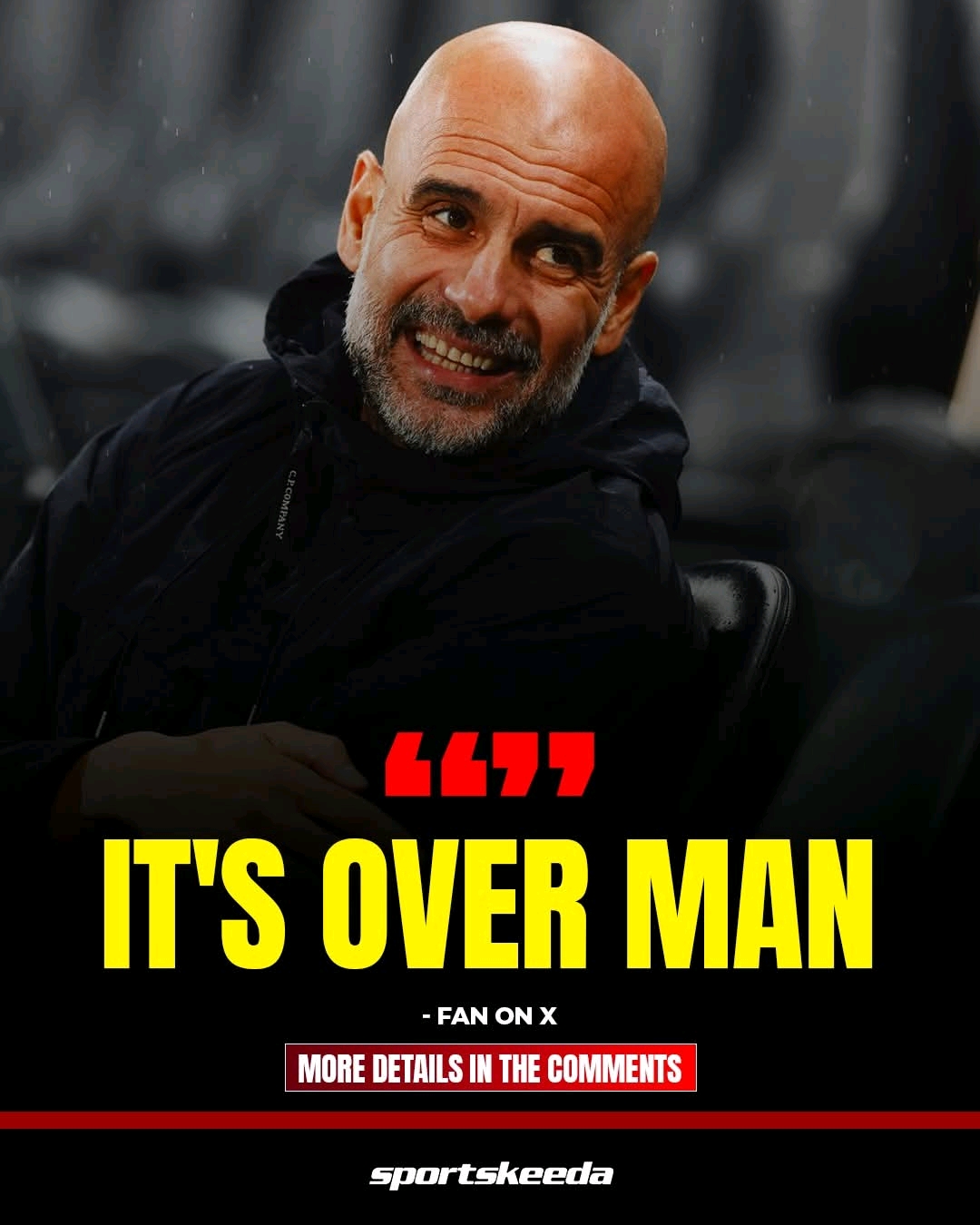
Manchester City fans woke up on matchday expecting the usual nerves, the usual excitement, and the usual debates about tactics, but nobody expected the kind of shock that came just hours before kick-off against Crystal Palace. When the official squad list dropped, one name was missing, and it was a name many supporters had already written in pen, not pencil. Jeremy Doku was not there. No place on the team sheet, no place on the bench, no last-minute surprise. Just absence. And in that moment, social media exploded with confusion, fear, anger, and sadness. Some fans joked to hide their worry, others went straight into panic mode, and a few even declared the worst with comments like “it’s over man” and “why isn’t he playing”. For a player who arrived not so long ago, Doku has become central to how many City fans see their team play, and his absence felt like a punch to the stomach before the game had even begun.
The news quickly followed that Doku had picked up an injury and had been ruled out of the clash. Injuries are normal in football, especially in a season as demanding as this one, but timing is everything, and this was the worst possible time for many supporters. Crystal Palace away is never easy, the Premier League table is tight, and Arsenal had already pulled further ahead with a late win the day before. City needed momentum, confidence, and their best weapons on the pitch. For many fans, Doku represents chaos, speed, and unpredictability, the kind of qualities that can unlock stubborn defences and change games in seconds. Losing him, even for one match, felt like losing a key part of the plan.
Pep Guardiola named Gianluigi Donnarumma in goal once again, showing continued faith in the Italian despite the pressure that comes with every City appearance. The back line raised eyebrows too. Matheus Nunes and young Nick O’Reilly were chosen as fullbacks, a bold decision that immediately became another talking point among fans. Ruben Dias and Josko Gvardiol continued their partnership in central defence, bringing leadership and calm, while Nathan Ake and Abdukodir Khusanov had to settle for places on the bench. It was a defensive setup that showed balance but also risk, especially against a Palace side known for pace on the counter.
In midfield, Nico Gonzalez and Tijjani Reijnders were selected as the pivot, tasked with controlling the tempo, protecting the defence, and keeping City ticking. Phil Foden was given the attacking midfield role, a position where he has shone before and where many believe he can be the creative heart of the team. On the wings, Bernardo Silva and Ryan Cherki were chosen to stretch play and provide service, while Erling Haaland led the line as expected, carrying the hopes of goals on his broad shoulders. On paper, it was still a strong City side, full of talent and experience, but football is not played on paper, and fans were already focusing on what was missing rather than what was there.
Almost immediately, social media became a wall of reactions, and Jeremy Doku’s name dominated every conversation. One fan wrote that they could not see City winning without Doku, saying creativity would be lacking and asking why he was not playing. Another posted broken heart emojis, calling Doku a huge miss. Others were more dramatic, asking where Doku was and joking darkly about Pep’s “leg drama” continuing, with speed now gone from the lineup. These reactions were not just emotional outbursts; they reflected how quickly Doku has become a symbol of excitement for the fanbase. In a team full of stars, he has given supporters something raw and thrilling, the feeling that anything can happen when he gets the ball.
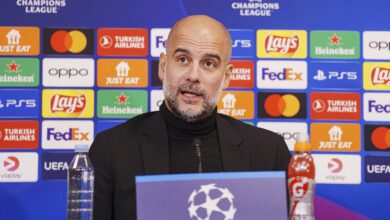
The surprise was made even bigger by the fact that Pep Guardiola himself did not attend the pre-match press conference. Instead, assistant coach Kolo Toure stepped in, and while that is not unheard of, it added another layer of mystery and tension to the build-up. Toure, a former City defender and a respected voice in the dressing room, spoke calmly about the team’s development and improvement, trying to shift the focus away from individual absences and toward collective growth. He said the team still plays the football they used to play, but with more aggression, especially when fighting for second balls. He reminded everyone that the Premier League is physical, that having the ball is important, but when you do not have it, you must fight.
Related Posts:




Those words were clearly chosen to reassure supporters who feared that City might look soft or predictable without Doku’s directness. Toure spoke about how this was the difference from last season, saying the team is growing, getting better every game and every day. His message was one of patience and belief, suggesting that progress is not always smooth and that setbacks are part of the journey. For some fans, this was comforting. For others, it sounded like careful talk that could not fully hide the reality of missing key players.
And Doku was not the only absence. Manchester City were also without John Stones, Rodri, and Mateo Kovacic, three players who each bring something crucial to the team. Stones was sidelined with a thigh issue, Rodri was out with a hamstring problem, and Kovacic was still recovering from an ankle injury. That is a spine of experience and control missing from the squad, and it explains why some supporters were so anxious before kick-off. When injuries pile up, even the strongest squads can look vulnerable, and City’s depth was being tested once again.
Despite all this, Kolo Toure was asked about the title race and whether City were thinking about catching Arsenal. His answer was firm and focused. He said the team was only concentrating on what they could do, acknowledging Arsenal’s quality and strong squad, but insisting that everything depends on City themselves. He praised Guardiola as the best manager in the world, speaking about his passion, his love for the players, and his dedication to the staff. Toure said Guardiola would take them as far as possible in the fight to win the league and that for City, every game is like a final.
This kind of talk is familiar to City fans. They have heard it many times during title races that go down to the wire. But hearing it now, with injuries mounting and key players missing, gave the words extra weight. Arsenal had moved five points clear with their late win over Wolves, and City knew they could reduce the gap to two points with a victory. The pressure was real, and every dropped point could make the difference at the end of the season.
For many supporters, the absence of Jeremy Doku became a symbol of all these worries combined. It was not just about one winger missing a game; it was about fear of losing momentum, fear of becoming predictable, fear of rivals pulling away. Doku represents a different side of City, a player who thrives on one-on-one situations, who takes risks, who excites crowds and scares defenders. In a system sometimes criticised for being too controlled, too safe, Doku brings chaos, and chaos can be beautiful when it works.
Fans remember moments when Doku changed games with a burst of speed, a clever dribble, or a sudden cross. They remember defenders backing off, unsure whether to commit, and spaces opening up for others as a result. Without him, some worry that City become easier to read, easier to defend against. That is why comments like “creativity will be lacking” appeared so quickly. Supporters were not questioning the quality of players like Bernardo Silva or Phil Foden; they were expressing a deeper fear about balance and variety in attack.
At the same time, football history is full of moments when teams surprise everyone in the face of adversity. Guardiola’s City have often found ways to win without key players, adapting tactics, reshuffling roles, and trusting the collective. This is where players like Foden, Silva, and Haaland are expected to step up even more, to take responsibility and lead. It is also where Guardiola’s reputation as a tactical genius is put under the microscope. Can he find a solution without Doku’s pace? Can he create danger in different ways? Can he turn frustration into motivation?
The reaction from fans also shows how emotionally invested they are in this team. Social media amplifies every feeling, turning squad announcements into events and injuries into crises. In the past, supporters might have grumbled in pubs or on the way to the stadium. Now, they react instantly, sharing thoughts with thousands of others, feeding off each other’s emotions. This can create a sense of panic, but it can also create unity, a shared experience of worry and hope.
Some fans tried to stay positive, reminding others that City still have world-class players and a manager who has delivered time and time again. They pointed out that injuries are part of the game and that the squad is built to handle challenges like this. Others were less optimistic, seeing Doku’s absence as one problem too many in an already difficult period. Both reactions are understandable, and both come from a place of deep care for the club.
As the season goes on, moments like this will be remembered as turning points, whether good or bad. If City win and perform well, Doku’s absence might be seen as a test that strengthened the team. If they struggle, it could be remembered as the moment when cracks began to show. Football narratives are often written in hindsight, shaped by results more than feelings, but the emotions felt before kick-off are just as real.
Jeremy Doku’s injury also raises questions about workload, fitness, and the demands placed on modern players. The Premier League schedule is relentless, with domestic games, European competitions, and international duties all competing for space. Players are pushed to their limits, and injuries are almost inevitable. For clubs like City, managing these risks is a constant challenge, balancing the need to win every game with the need to protect players for the long term.
For Doku himself, missing this match will be frustrating. Players want to be on the pitch, especially in big games with so much at stake. He will be watching from the sidelines, hoping his teammates can get the job done and eager to return as soon as possible. His absence has shown just how valued he is, not just by the coaching staff but by the fans who already see him as a key part of the club’s future.
Kolo Toure’s words about aggression and fighting for second balls also hint at what Guardiola and his staff want to see from the team in moments like this. When creativity is limited, effort, intensity, and discipline become even more important. Winning duels, pressing high, and staying compact can make the difference, especially away from home against a team like Crystal Palace that thrives on energy and counter-attacks.
The mention of growth and improvement every day suggests that City see this season as a journey, not just a series of results. That mindset has helped them before, allowing them to stay calm under pressure and peak at the right time. But fans, naturally, live in the moment, feeling every high and low as it comes. That tension between long-term vision and short-term emotion is part of what makes football so compelling.
As kick-off approached, the initial shock of Doku’s absence began to settle into a mix of acceptance and nervous anticipation. Supporters knew the team could still win, but they also knew it would not be easy. They hoped that someone else would step up, that a different hero would emerge, and that the narrative of the day would change from disappointment to relief.
Whether City manage to close the gap on Arsenal or not, this moment has highlighted how thin the margins are at the top of the Premier League. One injury, one late goal in another match, one tactical decision can shift the mood of an entire fanbase. It has also shown how quickly players can become central to a club’s identity, even in a squad full of stars.
In the end, football is about uncertainty. That is why fans react so strongly, why they celebrate wildly and despair deeply. Jeremy Doku missing this game has reminded Manchester City supporters of that uncertainty, of how fragile plans can be and how quickly things can change. It has also reminded them of why they care so much, why they argue, hope, and believe, even when faced with setbacks.
As the season continues, there will be more injuries, more surprises, more debates, and more emotional swings. For now, this moment belongs to the fans who asked where Doku was, who worried about creativity, and who felt that familiar mix of fear and faith. It is a snapshot of life as a football supporter, where every team sheet tells a story and every missing name can feel like the end of the world, even when the game has not yet been played.