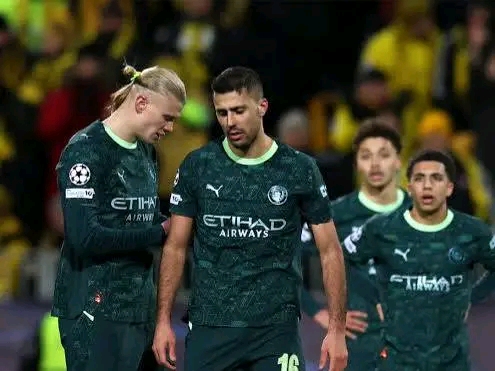
Manchester City are going through a strange and uncomfortable phase, one that fans are not used to seeing under Pep Guardiola. For years, City were known as a team that killed games early, controlled matches from start to finish, and suffocated opponents with calm possession and ruthless efficiency. But this season, something feels different. The pattern has repeated itself too many times to be ignored. Strong first halves, promising leads, total control, and then after the break, everything slowly slips away. Goals are conceded, confidence drops, and matches that should have been won end in frustration.
The most painful reminder came at the weekend when City threw away a two-goal lead against Tottenham and settled for a 2-2 draw. It felt familiar. Too familiar. The Etihad side dominated large parts of the game, looked comfortable, and seemed on course for three points. Then the second half arrived, and once again, the grip on the match loosened. Tottenham grew in belief, City lost their rhythm, and another lead vanished into thin air.
This is not an isolated incident. It has become a worrying habit. Since the turn of the year, City have managed just one league win from six matches. Draws against Sunderland, Chelsea, and Brighton started the worrying trend. Then more dropped points followed against Manchester United and Tottenham. Each game tells a similar story. Good starts. Control. Chances created. Then mistakes, tired legs, poor decisions, and goals conceded after halftime.
For a club chasing the Premier League title, this kind of inconsistency is dangerous. Arsenal are pulling away at the top, and City now sit six points behind. Every dropped point feels heavier than the last. Every second-half collapse chips away at belief. Fans who once felt calm at 2-0 up now feel nervous. The old certainty is gone, replaced by tension and fear that another lead could disappear.
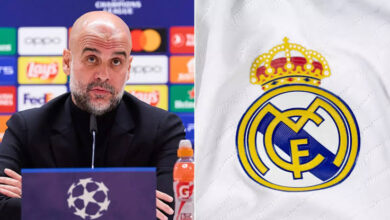
Pep Guardiola knows it. He feels it. And for the first time in a long while, he has openly admitted that the problem is real and growing. When asked about City’s struggles after the break, Guardiola did not dodge the question. He did not blame referees or bad luck. Instead, he looked inward and accepted responsibility while pointing to a deeper issue within his squad.
He explained that this City team is younger than the great sides of the past. Less experienced. Less battle-hardened. He suggested that the players may not yet fully understand how to manage games, how to suffer, and how to repeat first-half intensity across ninety minutes. According to him, the drop in the second half might be because the team stops doing what worked earlier. They become passive instead of brave. Careful instead of aggressive.
Guardiola said this team needs to live through these moments, to grow through pain. He believes it is part of a learning process. Those words may be honest, but they are also worrying. Manchester City are not a club built for learning seasons. They are built to win now. Titles do not wait for growth. Rivals do not slow down to allow development.
What makes the situation even more concerning is that this fragility is something Guardiola has rarely experienced in England. His City teams were once known for their mental strength. Even when they conceded, they responded immediately. Even when tired, they kept control. Now, control feels fragile, especially after halftime.
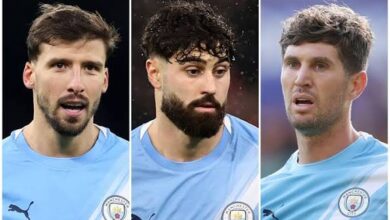
Injuries have played a major role. Guardiola’s defence has been ripped apart at the worst possible time. Ruben Dias and Josko Gvardiol, two of the team’s most important defensive leaders, were both forced off during the 1-1 draw with Chelsea in early January. Their absence has been felt deeply. Not just in quality, but in organisation, communication, and leadership.
Dias is the voice at the back. The one who shouts, points, and keeps everyone focused. Gvardiol brings calm, strength, and intelligence. Losing both at the same time removed the spine of City’s defence. Without them, the back line has looked unsure. Gaps appear. Decisions are slower. Confidence drops, especially late in games when pressure increases.
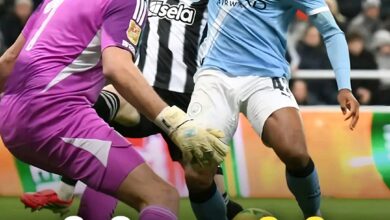
Dias has finally returned to training, offering a small boost of hope. There is belief he could be available for the massive Premier League clash against Liverpool at Anfield. That match could define City’s season. However, the midweek Carabao Cup semi-final second leg against Newcastle is expected to come too soon for him.
Gvardiol’s situation is far more serious. The Croatian defender required surgery on a right tibial fracture and is unlikely to return until late spring. His season has effectively been paused, leaving Guardiola short of experienced options at the back during a crucial period.
As a result, Guardiola has been forced to gamble. Young Uzbek defender Abdukodir Khusanov has been thrown into high-pressure matches earlier than planned. Academy graduate Max Alleyne has also been trusted in difficult moments. January signing Marc Guehi has stepped in quickly and shown leadership, but expecting him to instantly replace the influence of Dias and Gvardiol is unrealistic.
These players have talent. They have potential. But football at this level is unforgiving. Mistakes are punished. Inexperience is exposed. And in the second half of games, when legs are heavy and minds are tired, small errors become big problems.
The lack of defensive stability has turned matches into open contests. City games used to feel controlled, almost boring when they were ahead. Now they feel chaotic. Opponents sense vulnerability and push forward with belief. One goal conceded becomes two. Confidence spreads to the opposition while doubt creeps into City’s players.
This explains why so many of City’s second-half collapses start with a single moment. A misplaced pass. A missed tackle. A failure to clear lines. Once that happens, the whole structure wobbles. The calm possession disappears. Players rush decisions. The rhythm is lost.
Guardiola’s words about youth and growth reflect a transition at the club. Over recent seasons, several experienced figures have left. Leaders who understood Guardiola’s demands instinctively. Players who knew how to slow games down, how to take control when things became uncomfortable. Replacing them with younger talents brings energy, but also inconsistency.
Guardiola has rebuilt teams before. He has never feared change. But every rebuild comes with pain. The difference now is that City are rebuilding while still trying to compete on every front. That balance is difficult to maintain.
Despite their struggles, City remain alive in all competitions. The Carabao Cup semi-final second leg against Newcastle offers a chance to reach another Wembley final. City hold a strong advantage from the first leg and remain favourites. A win would restore some confidence and momentum.
But even that match comes with pressure. Any sign of another second-half collapse would fuel criticism. Fans and pundits are already questioning whether this team can be trusted when it matters most.
After Newcastle comes Liverpool away. Anfield. One of the hardest places to play in world football. Anything less than a win there could see Arsenal disappear further into the distance. That match will not only test City’s quality, but their mentality. It will test whether Guardiola’s words about growth and learning are translating into action.
The problem is no longer hidden. Guardiola has acknowledged it. The players feel it. The fans see it. City’s second-half collapses are now a defining feature of their season. Whether they overcome it or are undone by it will shape how this campaign is remembered.
Guardiola’s honesty is refreshing, but honesty alone does not fix results. Solutions must come quickly. That could mean tactical tweaks. Earlier substitutions. More control in midfield. Or simply grinding out ugly wins until confidence returns.
What is clear is that Manchester City are no longer cruising. They are fighting. Fighting injuries. Fighting inconsistency. Fighting doubt. And fighting a young squad learning harsh lessons in real time.
This is still Pep Guardiola’s Manchester City. Still full of talent. Still capable of brilliance. But the margin for error is gone. Second halves will decide everything now. Titles are not won in the first 45 minutes. They are won by surviving the last 45.
If City cannot fix this problem, the season may slip away, not because they lacked quality, but because they could not finish what they started.