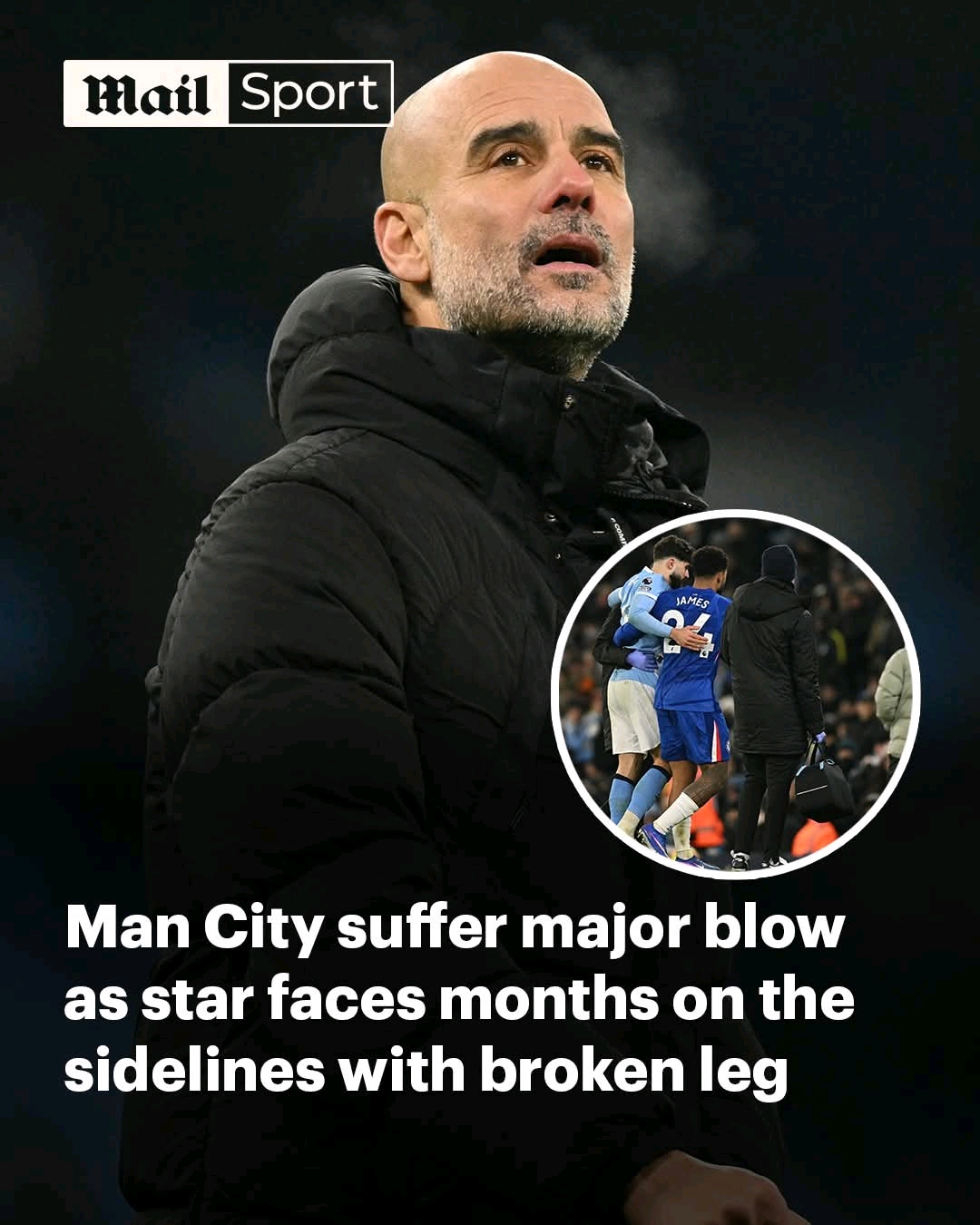
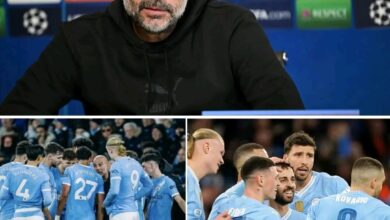
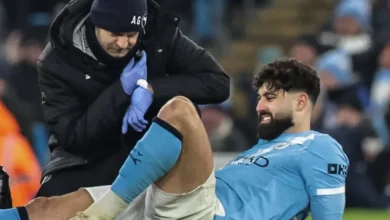
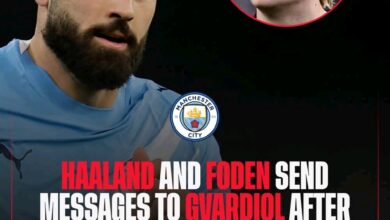
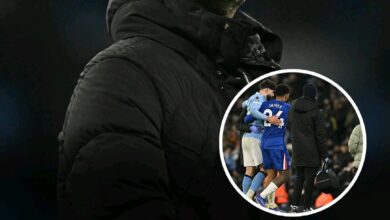
Manchester City were still trying to catch their breath after a tense and emotional 1–1 draw with Chelsea at the Etihad when the real damage of the night slowly began to sink in. The scoreline already felt like a setback. Arsenal had pulled further ahead at the top of the Premier League table, stretching their lead to six points, and every dropped point now felt heavier than ever. But what truly shook City was not the result, not the missed chances, not even the frustration on Pep Guardiola’s face at full time. It was the sight of Josko Gvardiol hobbling off the pitch, pain written clearly across his face, knowing deep down that something was very wrong.
At first, there was hope. City fans have seen players limp off before, return weeks later, and pick up exactly where they left off. Gvardiol himself tried to walk it off, pushing through the discomfort as adrenaline carried him to the sidelines. But the way he moved told its own story. There was no normal strain, no routine knock. This was serious. When the Croatian defender finally disappeared down the tunnel, the Etihad went quiet in a way that only happens when supporters fear the worst.
By Monday morning, those fears were confirmed. Scans revealed that Gvardiol had fractured his right tibia, an injury that does not heal quickly and does not forgive impatience. Surgery was required, and with it came the devastating reality that he would be sidelined for months. Not weeks. Months. For Manchester City, this was a nightmare scenario unfolding at the worst possible time of the season.
Gvardiol has been one of Guardiola’s most trusted players this campaign. His partnership with Ruben Dias had become the foundation of City’s defensive stability. Calm on the ball, aggressive in duels, and tactically intelligent, he had grown into Guardiola’s system with remarkable speed. Losing him now felt like losing the spine of the team just as the title race was reaching its most brutal phase.
The timing could hardly have been worse. Arsenal’s momentum was building, their confidence growing with every win, while City were suddenly facing uncertainty at the back. A fractured tibia is not a simple injury. Recovery is slow, rehabilitation demanding, and there are no guarantees about sharpness upon return. Even if Gvardiol somehow makes it back before the end of the season, it is highly unlikely he will be at full strength or match fitness when City need him most.
There is also the looming shadow of the World Cup in North America this summer. For Gvardiol, this injury threatens more than just his club season. Croatia are set to face England in their opening match in Dallas, a huge fixture loaded with expectation. Missing months of football now could leave him racing against time to be fit enough, sharp enough, and confident enough to lead his country on the biggest stage. The mental toll of that pressure is something no scan can measure.
Manchester City know this story all too well. Last season, Oscar Bobb suffered a similar injury and was ruled out for five months. Even after returning, he struggled with setbacks that extended his absence further. Guardiola was cautious, patient, but the disruption was clear. With Gvardiol, the stakes are even higher, and the consequences far more severe.
As if the loss of Gvardiol was not enough, City’s problems deepened when Ruben Dias also picked up a muscle issue during the same Chelsea match. While the full severity of Dias’ injury was still being assessed, the warning signs were impossible to ignore. Suddenly, Guardiola was staring at a defensive crisis he had not planned for, one that threatened to derail the entire season.
Nathan Ake and Abdukodir Khusanov were left as the only fully fit senior centre-backs. John Stones had not featured since early December, his own fitness issues keeping him sidelined during a critical stretch. Teenager Stephen Mfuni had been named on the bench in recent weeks but was yet to make his senior debut, and relying on raw youth in the heat of a title race is a risk Guardiola knows all too well.
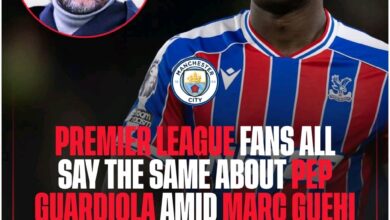
The situation forced Manchester City into action. Plans that were meant for the summer were suddenly pulled forward into January. Hugo Viana, the club’s director of football, wasted no time reassessing the market, and one name quickly moved to the top of the list. Marc Guehi.
City had already admired Guehi from a distance. The Crystal Palace captain has grown into one of the most reliable defenders in the Premier League, calm under pressure, strong in the air, and tactically disciplined. He fits the Guardiola profile almost perfectly. Originally, City had been prepared to wait, to join a group of Europe’s elite clubs making their pitches ahead of Guehi’s contract situation at Selhurst Park, possibly landing him on a free transfer in the future.
But football rarely allows patience when injuries strike. What happened against Chelsea changed everything. City’s interest in Guehi intensified overnight. Conversations were accelerated. Internal discussions turned urgent. The question was no longer whether Guehi would be a good addition, but how quickly a deal could be done and how much it would cost in January.
Crystal Palace know what they have. Guehi is not just a defender; he is their leader, their organiser, their emotional anchor. Letting him go mid-season would be painful, but the reality of his contract situation means Palace must consider their options carefully. City understand this, but desperation changes negotiation dynamics, and Viana’s task is now to explore just how far Palace are willing to bend.
Meanwhile, Guardiola has been forced to reshuffle behind the scenes. Max Alleyne was recalled from a promising loan spell at Watford, a move that underlined the seriousness of the crisis. Alleyne is talented, hardworking, and eager to prove himself, but throwing him into Premier League battles at this stage carries obvious risks. Still, Guardiola values adaptability and trust, and every available body now matters.
Inside the dressing room, the mood has shifted. Players know how close margins are at the top of the table. They know Arsenal are watching, sensing weakness. They know injuries are part of football, but losing a key defender for months tests even the strongest squads. Guardiola’s teams are built on structure and control, and defensive instability threatens both.
The Chelsea draw already felt like a missed opportunity. City had chances, moments of dominance, spells where the game should have been put to bed. Instead, frustration lingered, and the injury news turned that frustration into genuine concern. Every fixture now carries extra weight, every defensive error magnified, every selection decision scrutinised.
Guardiola, as always, remains outwardly calm. He speaks of trust, of solutions, of adapting. But those who know him understand the intensity beneath the surface. He hates uncertainty, hates chaos, and injuries create both. The coming weeks will demand tactical creativity, careful rotation, and perhaps a leap of faith in players who were not meant to shoulder this responsibility so soon.
For Gvardiol, the road ahead is long and lonely. Surgery is just the beginning. Rehabilitation will be painful, repetitive, and mentally exhausting. Watching teammates fight for titles from the sidelines is one of the hardest tests for any player, especially one who had become such a central figure. Yet his resilience has never been in doubt, and City will support him every step of the way.
For Manchester City, the season has entered a new phase. The title race is no longer just about points and performances, but about survival, depth, and smart decision-making. Arsenal’s lead looms large, and every dropped point feels heavier with each injury update.
Marc Guehi now stands at the centre of a story that could define City’s January window. A move that once felt optional has become urgent. Whether Palace will sell, whether City will pay the price, and whether Guehi could immediately adapt to Guardiola’s demands are questions that will dominate the weeks ahead.
One thing is certain. The draw with Chelsea was not just another game. It was the moment Manchester City realised how fragile even the strongest squads can be. Gvardiol’s broken leg has changed the direction of their season, intensified the pressure on their recruitment team, and reminded everyone that in football, everything can change in a single night.
As the Premier League marches on, City must respond. They must adapt. They must fight. Because in a title race this tight, there is no time to wait, no room for hesitation, and no guarantee that opportunity will come again.