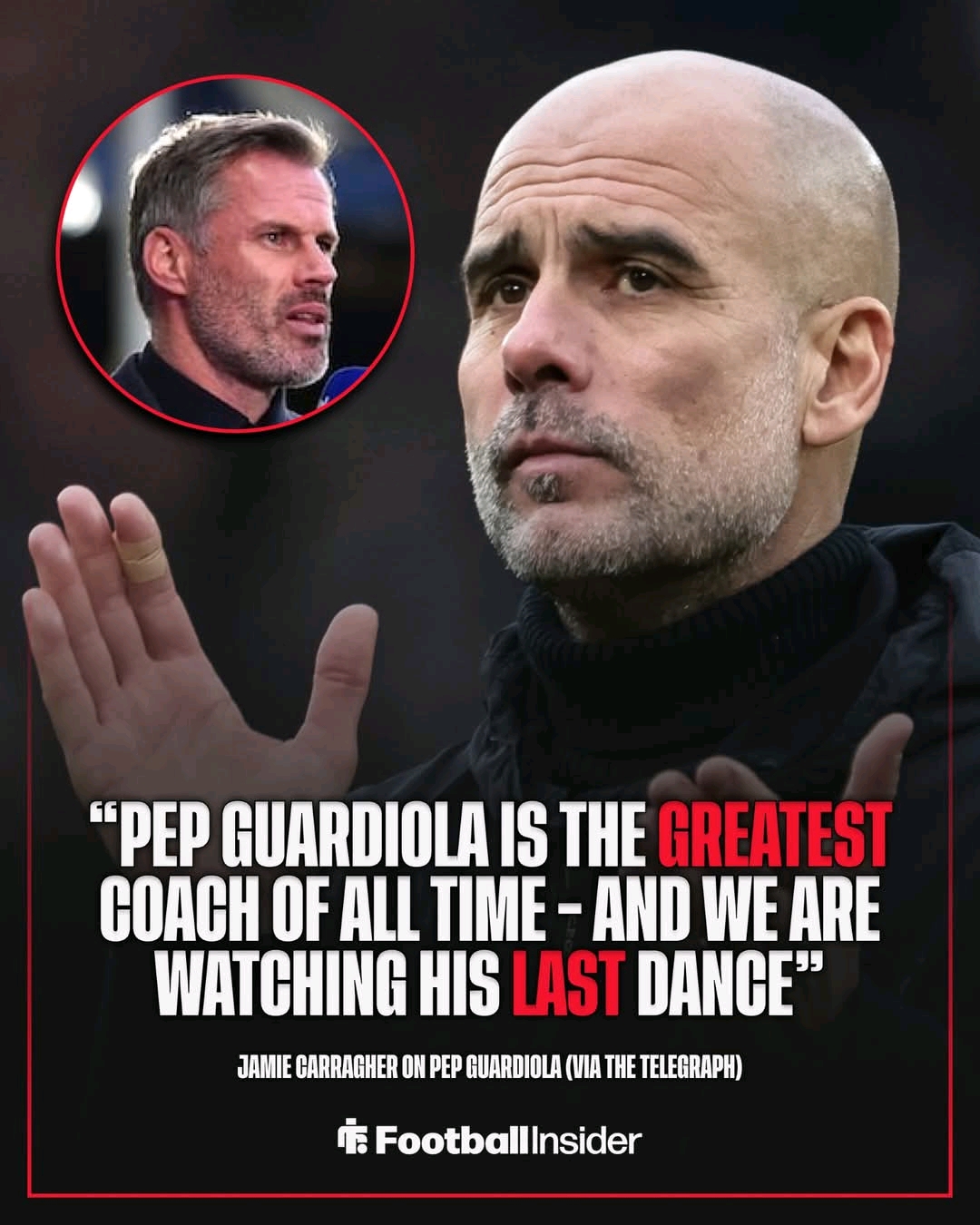
The question of whether Pep Guardiola is the greatest coach of all time is one that refuses to go away. It follows him everywhere he goes. From Barcelona to Bayern Munich, and now Manchester City, Pep Guardiola has built teams that dominate games, control the ball, and often make football look easy. But football history is long, emotional, and full of legends. So while many people call Pep the greatest, others strongly disagree. To answer this question properly, we must slow down, look at history, understand what “greatest” really means, and compare Pep Guardiola with the giants who came before him.
Pep Guardiola did not arrive in football like a normal manager. He arrived like a revolution. When he became Barcelona coach in 2008, many people doubted him. He had never coached a senior team before. He was young, calm, and quiet. But within months, football changed forever. Barcelona did not just win trophies. They destroyed opponents with possession, movement, and intelligence. The famous tiki-taka style was born. Xavi, Iniesta, Busquets, and Lionel Messi became symbols of a new football language. Pep did not invent passing football, but he perfected it in a way the world had never seen before.
Under Pep, Barcelona won everything. La Liga, Champions League, Copa del Rey. They beat Manchester United in two Champions League finals and made Sir Alex Ferguson’s team look helpless. That Barcelona side is still described by many football experts as the greatest club team of all time. And Pep was only in his first job. This is why many fans believe the argument should end there. They say if you create the greatest team ever, you must be the greatest coach ever.
But football is never that simple.
After Barcelona, Pep moved to Bayern Munich. He inherited a team that had just won the treble under Jupp Heynckes. Expectations were sky high. Pep won the Bundesliga again and again, often breaking points records. Bayern dominated Germany like never before. But the Champions League always escaped him there. Some critics say Pep overthought big European games. Others say Bayern simply met stronger teams at the wrong time. Still, for many people, failure to win the Champions League with Bayern is a mark against him.
Then came Manchester City. England is different. Faster football. Physical football. Less time on the ball. Many doubted Pep could succeed there. They said his style would fail in the Premier League. Instead, Pep turned Manchester City into a machine. Records were broken season after season. 100 points in a league season. Four league titles in a row. Treble winners. Champions League winners. Pep adapted his ideas to English football. He added strength, speed, and tactical flexibility. He proved he was not just a one-style coach.
So why is Pep Guardiola not already accepted by everyone as the greatest of all time?
The answer is simple. Football greatness is not only about beauty and domination. It is also about longevity, adaptability, emotional leadership, and winning with limited resources. And this is where other managers enter the conversation.
Sir Alex Ferguson is the first name that always comes up. Ferguson ruled English football for over 26 years. He rebuilt Manchester United multiple times. He won league titles in different decades. He managed stars, egos, youth players, and superstars. He won with Cantona, Beckham, Ronaldo, Rooney, Giggs, and Scholes. His teams changed styles many times. Sometimes United attacked with speed. Sometimes they defended deep. Sometimes they bullied teams physically. Sometimes they played beautiful football.
Sir Alex did not rely on one system. He relied on mentality. His teams never knew when to give up. “Fergie time” became a real fear for opponents. He won two Champions Leagues, but he also reached finals with weaker squads. Many argue that Sir Alex did more with less than Pep ever did. Pep often works with the best players and biggest budgets. Sir Alex built dynasties over decades.
Then there is Carlo Ancelotti. Calm. Quiet. Respected everywhere. Ancelotti has won league titles in Italy, England, France, Germany, and Spain. He has won the Champions League more times than any other coach. He adapts to players instead of forcing players into a system. At Real Madrid, he managed egos like Ronaldo, Benzema, Modrić, and Kroos with ease. His teams may not always dominate possession, but they win when it matters most.
José Mourinho is another name that divides opinion. At his peak, Mourinho was unstoppable. He won the Champions League with Porto, something Pep has never done with a smaller club. He broke Barcelona and Real Madrid’s dominance with Inter Milan. He won league titles in England, Italy, Spain, and Portugal. His teams were built on discipline, mentality, and tactical intelligence. Critics say his football was negative, but his results were undeniable.
Then there is Arrigo Sacchi. Johan Cruyff. Helenio Herrera. Even modern coaches like Klopp and Zidane. Each of them changed football in their own way.
So the real question becomes this: what does “greatest of all time” actually mean?
If greatness means tactical innovation, Pep Guardiola is at the top. He has influenced an entire generation of coaches. Today, almost every top team plays out from the back because of Pep. Positional play, inverted full-backs, false nines, pressing structures – these ideas are now normal because Pep made them successful.
If greatness means winning across different leagues with dominance, Pep is also near the top. Spain, Germany, England. He dominated all three.
But if greatness means longevity and rebuilding over decades, Sir Alex Ferguson has the strongest case. Pep has never stayed at one club for more than nine years. Ferguson stayed for 26 years and remained successful.
If greatness means winning with underdogs, Mourinho’s Porto and Inter stand out. Pep has never coached a small club or an unfancied team in Europe.
If greatness means Champions League success above all else, Ancelotti’s record speaks loudly.
This is why the debate never ends.
Some fans say Pep’s football is too dependent on perfect players. Others say great coaches always attract great players. Some say Pep struggles under pressure. Others say he has won more big games than most managers ever will.
What cannot be denied is this: Pep Guardiola has changed football forever. Even his critics admit that. When Pep retires, his influence will still be felt in youth academies, coaching manuals, and tactical discussions for decades.
So is Pep Guardiola the greatest coach of all time?
The honest answer is this: it depends on what you value most in football.
If you love beauty, control, and tactical genius, Pep Guardiola may be your number one.
If you value longevity, leadership, and rebuilding empires, Sir Alex Ferguson may be your greatest.
If you admire calm success and Champions League mastery, Carlo Ancelotti might be your choice.
Football does not give one clear answer. And maybe that is what makes it special.
Pep Guardiola is not just competing against other coaches. He is competing against history itself. And in that history, he has already written his name in permanent ink. Whether he is number one or number two will be debated forever. But one thing is certain.
Pep Guardiola is not just one of the greatest coaches of all time.
He is one of the most important figures football has ever known.