Khaldoon Khalifa Al Mubarak announces $6 billion Etihad Stadium rebuild plan – Turning Man City’s home

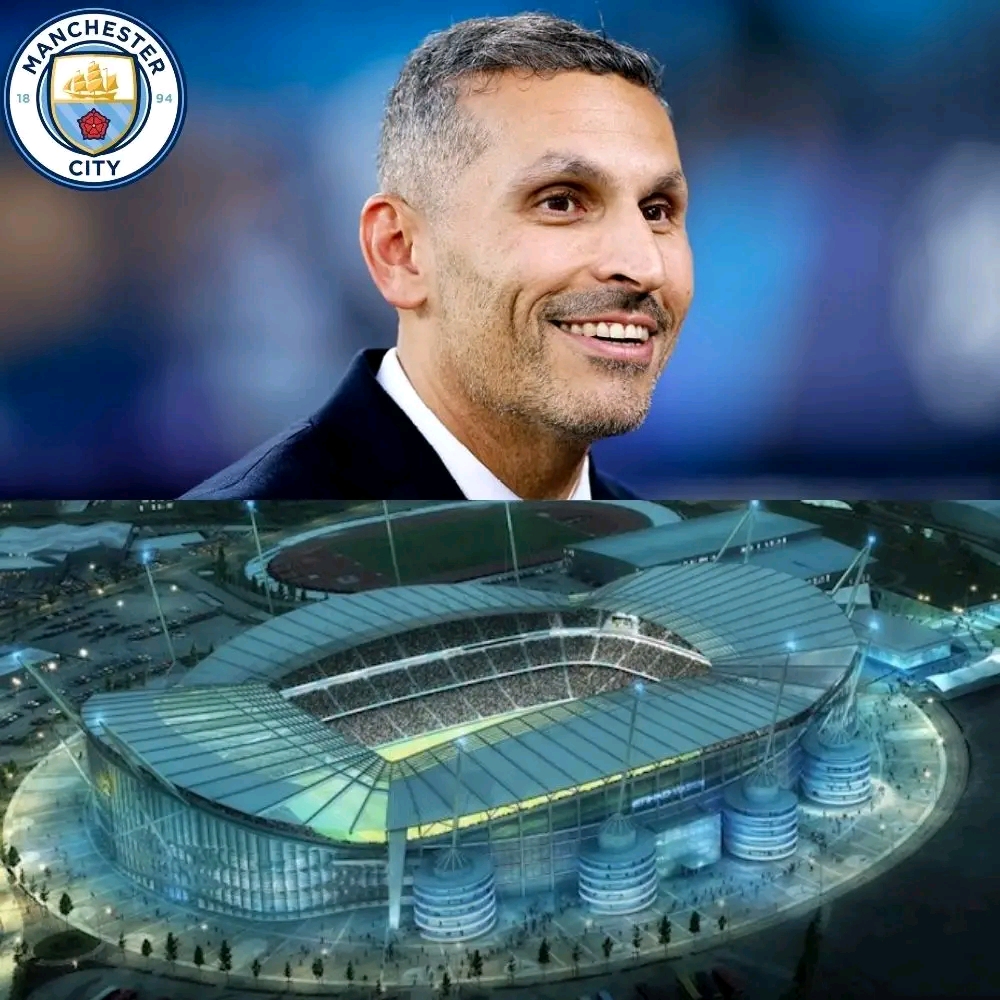
The entire football world woke up shaking on November 12, 2025 when Khaldoon Khalifa Al Mubarak stepped forward and announced something that nobody expected. It was not a transfer announcement, not a new signing, not a sponsorship deal, not even a managerial change. It was something far bigger, something deeper, something that would shake the landscape of global football for years and maybe for generations. Khaldoon looked straight into the cameras and confirmed that Etihad Stadium, the home of Manchester City, was not just getting an upgrade, not just getting expansion, not just getting renovation. No. The Etihad Stadium was about to be **reborn** through a $6 billion redevelopment plan that would become the largest football stadium project ever attempted in the history of the sport. People were shocked. Social media exploded instantly. Pundits on TV called it impossible, unreal, unbelievable, outrageous, futuristic and revolutionary all in the same breath.
This was not something fans were prepared to hear. Even Manchester City supporters, known for their ambition and expectations, had never imagined something this large. Etihad Stadium already stood as one of the greatest football arenas in Europe. But Khaldoon Khalifa Al Mubarak said something that repeated in every headline all over the world: *Etihad doesn’t need a renovation — it needs a rebirth.* Those words changed everything. Those words marked the beginning of a new era not only for Manchester City but for football as a whole.
The announcement felt like an earthquake. Journalists called it the boldest football infrastructure decision in modern history. Analysts compared the project to the Santiago Bernabéu renovation and Tottenham’s spectacular stadium, yet even those world-class venues looked small beside this plan. Now everyone realized exactly what Khaldoon meant years ago when he said that Manchester City were not just building a team — they were building an institution. With this project, City were preparing to elevate the meaning of a football club into something almost spiritual. A cathedral of football. A home for the future of the sport.
Early documents and leaked visuals described a stadium that no fan had ever seen before. A fully retractable roof that could close in seconds. Multi-tiered digital fan zones surrounding the entire interior. Next-generation VIP suites designed like luxury smart apartments. A 360-degree match-day experience where fans could interact with virtual reality and live tactical feeds. Seats equipped with personal screen options. A pitch system that could shift for concerts or sporting events. A full entertainment district around the stadium filled with restaurants, gaming hubs, sports creation studios, hotels, and fan museums. It was nothing like the stadiums that football fans grew up watching. It was something entirely new.
The dream was too big for some people to even imagine. In a world where most clubs struggle financially, the idea of spending $6 billion on one stadium sounded insane. But for Khaldoon it was not insanity — it was vision. It was destiny for Manchester City. He said this project was not only about being the biggest or most expensive. It was about respect for the club’s story and preparing a foundation for the next 100 years. This was Manchester City saying that their dynasty was not temporary. They were building for eternity. They were building for legacy. They were building with confidence that their name would remain at the top of world football.
The football world reacted instantly. Fans of rival clubs were speechless. Some called it overambitious. Some called it disrespectful to the rest of world football. Some even called it a warning that football had changed forever. Pundits began asking questions live on TV: How will UEFA react? How will the Premier League respond? Will this create pressure on other teams to expand their stadiums? Will this change financial fair play dynamics? Even the timing of the announcement was strange. Why now? Why during the season? Why at the stage when Manchester City were already dominating European football?
Related Posts:


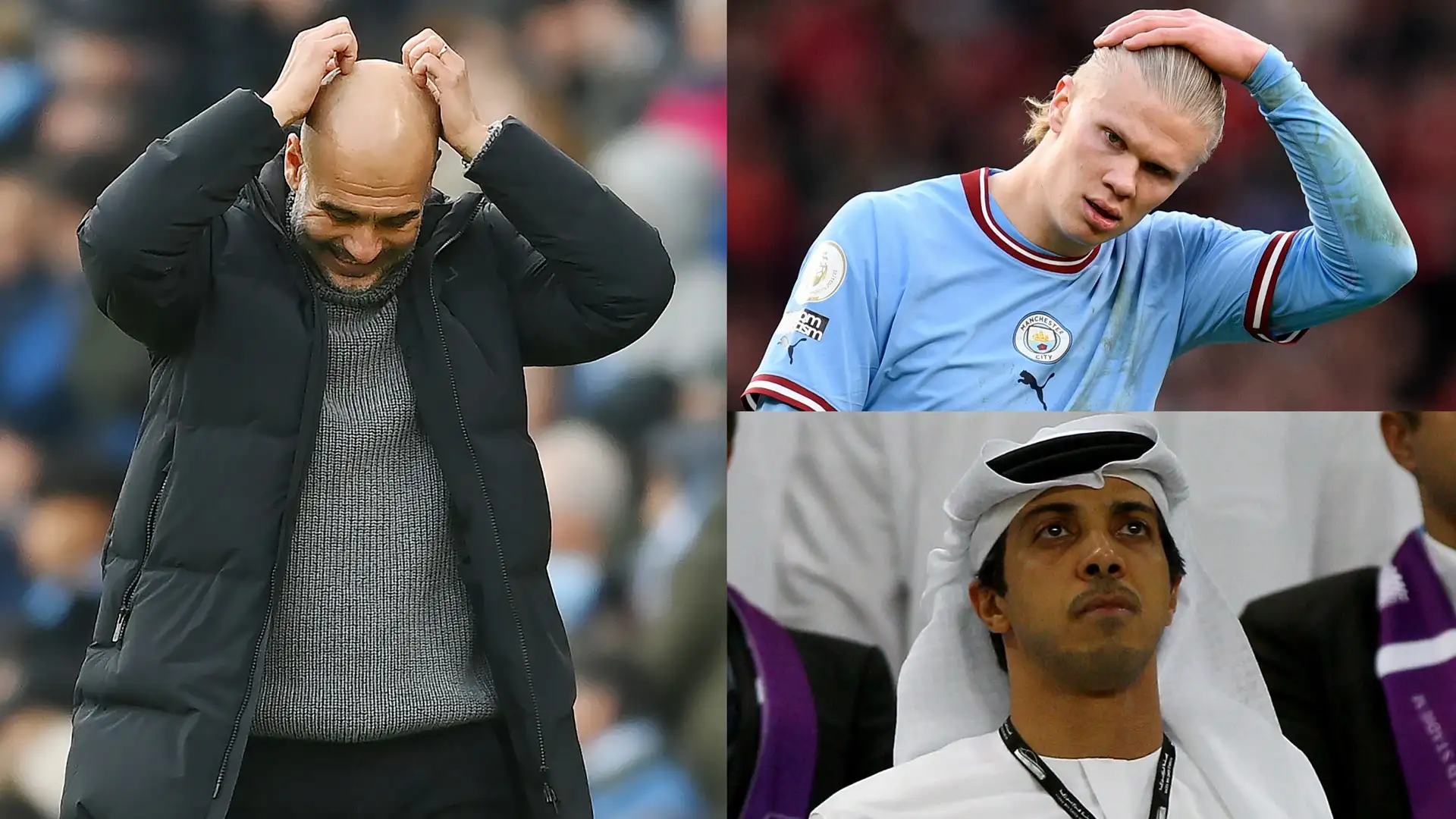

Supporters of Manchester City, however, did not worry. They celebrated. They smiled. They already knew who they were. Guardiola had built the greatest generation of Manchester City players. The academy had become a factory of talent. The women’s team was excelling. The youth ranks were filled with stars of the future. Now, their home stadium was being transformed into the beating heart of their identity. This was Manchester City locking in a future of dominance not for five years, not for ten, but for a century.
Football historians began comparing this moment to the biggest turning points in football business history. The global ripple effect could be massive. Match-day experience expectations would change. Broadcast strategies would change. Sponsorships would change. Stadium projects in other countries could rise quickly as responses. Everyone would now calculate their decisions by looking at Etihad Stadium as the new gold standard. Fans dreamed of the first match that would ever take place in the new Etihad. Cameras capturing the roof opening. Fans shouting inside a glowing digital stadium. Legends of Manchester City walking out for the inaugural ceremony. Chants rising like thunder under the retractable roof. The imagination alone created goosebumps across the football
Meanwhile, the emotional part of this project went beyond numbers and technology. Khaldoon talked about heritage. He talked about the memories that old fans had inside the Etihad. He talked about the trophies won there, the iconic goals, the comeback victories, the unforgettable nights in the Champions League. He wanted to protect that history but upgrade the surroundings. Like putting the heart of the old club inside the body of a futuristic structure. City supporters understood that immediately. They did not see this as replacing tradition. They saw it as honoring it. Every statue, every fan store, every banner, every memory would live inside a bigger and brighter stage.
Not everyone reacted calmly. Some rival fans feared this project because they understood exactly what it meant — City were not slowing down. They were accelerating. A new stadium like this could bring in global tourism, bigger sponsorships, new marketing ventures, record match-day revenue, and unstoppable ability to sign top stars. A stadium like this could become a signature attraction like Disneyland or Burj Khalifa or Times Square. Football was being introduced into a new era where stadiums became international destinations, not just game venues. It made football more powerful than ever.
Inside Manchester City’s training ground, the players were excited too. Imagine being a footballer and calling such a stadium your home. Imagine walking out there every week with the sound of 80,000 voices. Imagine passing the ball in a stadium that looked like the future. Some players started thinking about making history inside that new structure. Some dreamed of scoring the first goal there. Some dreamed of lifting the Champions League trophy there one day. Competition inside the team might even rise because every player would want to be remembered as part of the first squad to play in the new Etihad.
Former Manchester City players reacted emotionally too. Many legends said they wished they had the chance to play in such a stadium during their career. Some said the club had achieved things that were once impossible dreams. Some said Manchester City had become an example of how ambition could change everything in football. Even critics and doubters were forced to respect the vision. You don’t have to like Manchester City to understand how iconic this move could be.
Still, one question remained unclear. When would the project begin? And how long would it take? Club representatives refused to give exact dates because the project still needed final architectural work and city planning agreements. But insiders suggested early preparation could begin soon. Some fans worried if Manchester City would need to temporarily relocate during the works. Some suggested the club might build a temporary ground. Some believed the stadium could be redeveloped in phases without moving. All these questions would be answered over time, but nothing could dilute the excitement.
There were also concerns about the future pressure that the club might face. Spending $6 billion on one stadium might create huge global debate. Journalists would keep asking whether such huge investment was fair in football. Rival clubs would ask how Manchester City continued to grow financially at such an unstoppable rate. Governments, media and football associations might study the business model closely. But Manchester City had already shown that pressure was nothing to them. They were used to being questioned. They were used to being doubted. The more questions people asked, the more hungry the club became.
Fans imagined the day that the Etihad Stadium reopening ceremony would finally arrive. They imagined the giant screens lighting up. They imagined the music vibrating through the walls. They imagined thousands of fans wearing the famous sky blue shirts. They imagined the captain lifting a trophy while blue fireworks exploded into the closed roof. They imagined kids growing up and saying that they became football fans because of the new Etihad. Stadiums create emotions. And City were about to build the most emotional and futuristic stadium ever recorded.
This was not only about football. This was about culture. About imagination. About power. About the growth of a dream that started from the ground and reached the sky. Manchester City were sending a message to the whole world. They were not planning for the present. They were planning for forever.
The announcement will continue to shock the football world for months and maybe years. People will keep talking. People will debate. But one thing cannot be hidden — this is the most ambitious stadium project in football history. Khaldoon Khalifa Al Mubarak has placed Manchester City on a road that nobody saw coming. Even rivals secretly admire the courage behind the decision.
Football will never be the same again because Manchester City has refused to think small. They have refused to stop dreaming. They have refused to let the future arrive slowly. Instead, they chose to build the future themselves.
The Etihad Stadium will rise again as the cathedral of football. And when the doors of that new stadium finally open for the first match, the whole world will stop, look and realise that football has officially entered a new age.