Liverpool Predicted Lineup vs. Sunderland: Slot to Make Major Salah Decision

Liverpool were walking into another cold December night with heavy hearts, shaky confidence, and a fan base that had tasted too much disappointment inside Anfield over the past two weeks. The stadium that once felt like a fortress, a place where teams arrived already defeated in their minds, had suddenly become a ground where unexpected nightmares came to life. Nottingham Forest came to Anfield and destroyed Liverpool. PSV Eindhoven arrived and left with the same type of shocking victory that made the entire football world ask what exactly was happening to the defending champions. It was the kind of energy that shook the foundations of the club, because Liverpool were not supposed to be losing at home like that. Not under the bright lights. Not in front of the Kop. Not after spending £446 million in the summer rebuilding almost every department of the team. And certainly not under Arne Slot, the man who arrived with confidence, authority, structure, and a promise to keep Liverpool at the top of Europe. But football does not care about money spent or hype created. Football only respects mentality, intensity, hunger, and clarity. And in those two games, Liverpool did not show enough of those qualities. But now a new match was waiting for them, another chance to repair the broken trust between the team and their supporters. It was Sunderland coming to Anfield — a match that, on paper, Liverpool should win comfortably. But this wasn’t the moment for arrogance. This was the moment for humility and recovery. Slot knew that. The players knew that. And the fans desperately needed it.
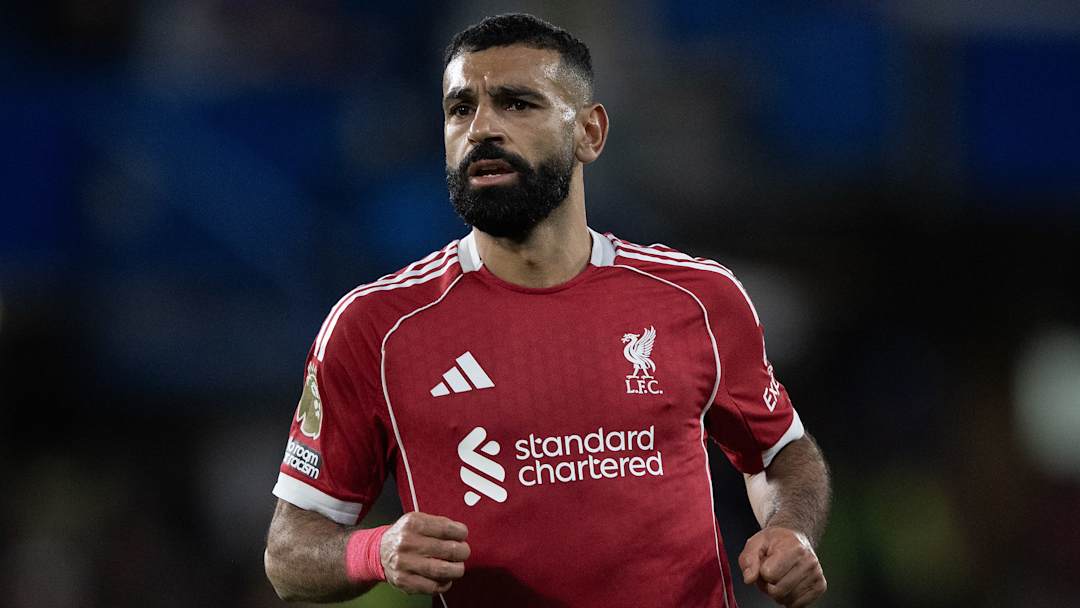
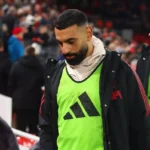
The pressure around the team was already high, but nothing was louder than the conversation around Mohamed Salah. The Egyptian king, the man who had carried Liverpool for seven straight seasons, was benched against West Ham United. Not a rest. Not a small injury. He was simply omitted. And what made the story even bigger was that he was not brought on at any point in the match. He didn’t touch the pitch. He didn’t warm up. He didn’t influence anything. He remained on the sidelines with a look that confused everyone watching. Was Slot sending a message to Salah? Was it punishment? Was it tactics? Was it fatigue? Scroll through Liverpool fan pages, and everyone had their own theory. What made it hurt more for supporters was the fact that Salah had been the club’s top performer for years, the player whose name echoed louder than any other inside Anfield. Yet now, Slot was making a decision that shocked the entire football world. Liverpool still won the match 2–0, a victory that came with good energy, a stronger performance, better control, more hunger. But the absence of Salah from the lineup created a cloud of questions that did not disappear after the final whistle. Slot would need to answer those questions now as Sunderland was coming to town. This game was not only about three points. It was about restoring the identity that Liverpool had suddenly lost at home. It was about showing Anfield that the champions were alive again. It was about giving the fans something to believe in. And it was also about deciding whether Salah would return to the starting XI, a decision that carried the weight of the entire fan base.
As Liverpool prepared for the match, the squad looked stretched, tired, and a bit frustrated, not because of internal fights but because the expectations were so high and the schedule was so demanding. Four games in the next ten days. A winter schedule that did not allow anyone time to breathe. Slot knew this was the moment to rotate, energize, and trust the squad depth he had demanded and received in the summer. Spending £446 million meant Liverpool could no longer complain about shortages. They had players everywhere. They had talent everywhere. They had competition everywhere. Now it was time to use it properly.
The lineup discussion started from the back, where Alisson Becker was finally breathing again after a calmer game at the London Stadium. He had conceded three in his previous start and was desperate for a performance that restored stability. Against West Ham, he got exactly that. Now, Sunderland would present another challenge, one Liverpool fully expected him to manage without stress. Alisson knew clean sheets were more than numbers; they were psychological fuel. They helped the defense relax. They gave the midfield confidence. And they reminded everyone that Liverpool were still the masters of structure when focused. Alisson would start again because the team needed him, and he needed another peaceful night.
At right back, Slot was ready to rotate. Joe Gomez played well in the last match, showing strength, calmness, balance, and maturity from the defensive side. But Gomez had been carrying small fitness issues. The more he played, the more he risked. And with the schedule about to get even crazier, Slot decided it was time to protect him. That opened the door for Dominik Szoboszlai to drop into right back again, a position he had surprisingly excelled in earlier in the season. It wasn’t his natural role, but his energy, passing range, and ability to progress the ball made him perfect for Slot’s structure. Bradley and Frimpong were close to returning, but not close enough to start. So Szoboszlai was stepping back into that hybrid job.
In the heart of defense, Ibrahima Konaté was finally showing signs of focus again. Transfer rumors had disturbed him in the summer, especially with Real Madrid circling and pushing his name into headlines. But all that noise had died down now, and Konaté was ready to give Liverpool his best. Against West Ham, he took a good first step. Now he needed consistency. Liverpool needed the version of Konaté that dominated strikers, ran like a machine, and played like a warrior. Next to him stood the captain, Virgil van Dijk, who had one of the worst Anfield nights of his career in the previous home match. A penalty conceded. A yellow card. Four goals allowed. Van Dijk hated that. He hated the way it looked. He hated the way it felt. He wanted redemption, and he wanted it immediately. Sunderland were not the biggest challenge, but Van Dijk was not thinking about the opponent. He was thinking about restoring pride.
Related Posts:



M
At left back, Andy Robertson was returning to the lineup. Kerkez had started three straight matches and needed rest. Robertson had been the better performer this season anyway, providing more energy, more accuracy, more leadership. Slot trusted him to stabilize the left side.
In midfield, Ryan Gravenberch was preparing for a busy night. Sunderland loved counterattacking, and Liverpool had been vulnerable in defensive transitions. Gravenberch needed to shield the back four better than before, tracking runners, winning duels, reading danger early.
Alexis Mac Allister would play beside him. Liverpool desperately needed the best version of the Argentine, because this season he had been up and down. Against West Ham, he finally looked more like himself, calmer, sharper, more intelligent with the ball. Slot needed him to continue that rhythm, especially against a team like Sunderland who could suffocate a distracted midfield.
Then the big story: Salah. Everyone wanted to know whether he would start. The answer was yes. Slot was planning to restore him to the lineup because the next 10 days were too heavy and the team needed its superstar back on the grass. Salah had been omitted against West Ham for reasons no one fully understood, but Slot knew that leaving him out again would create a storm too big to control. Salah’s pride, Liverpool’s fan expectations, and the importance of rhythm made the decision easy. Salah would start on the right wing again, ready to prove a point.
Behind the striker, Florian Wirtz was also starting. The £116 million signing had delivered his best Liverpool performance against West Ham, controlling the attack, dictating the tempo, creating chances, bringing elegance and intelligence into every move. Slot believed Wirtz was unlocking another dimension of Liverpool’s attack, and this match was another opportunity for him to shine.
Cody Gakpo would keep his spot n the left side. A goal and an assist in the last match made him Liverpool’s most productive attacker of the season so far. Nine goal contributions. Confidence rising. Sharp movements. Smart combinations. Slot trusted him to deliver again.
Up front, Hugo Ekitiké was starting. Slot did not want to overwork Isak, who had finally opened his Premier League account. With so many matches coming quickly, rotating strikers was mandatory. Ekitiké was hungry, eager, and ready for the challenge.
The lineup was set. The stakes were high. Liverpool were ready to step onto the grass and fight again. But deep inside the team, inside the dressing room, inside the heart of every fan, everyone knew what this match truly represented. It was more than football. It was more than tactics. It was about standing up after humiliation. It was about rewriting the story of Anfield. It was about proving that the champions were still alive. And as the lights of Anfield prepared to glow again, Liverpool walked into the night with a simple mission: restore pride, restore control, restore belief.