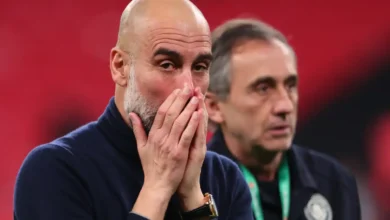
Man City players Suffered serious INJURY ahead of Chelsea clash; SEE the injury list

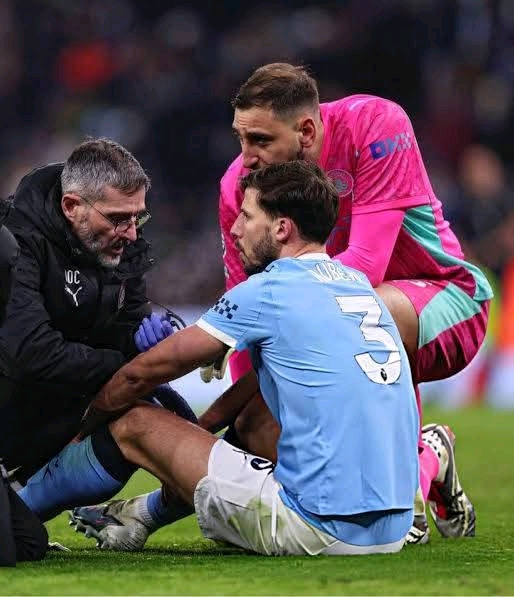
Manchester City fans have reason to breathe a small sigh of relief as the club receives encouraging news from the medical room regarding two of its most crucial defensive figures. Ruben Dias and John Stones, the central defensive pillars who have been sidelined in recent matches, are showing positive signs that suggest their time away from the pitch may not be as prolonged as initially feared. The absence of these key players had been felt during City’s commanding FA Cup quarter-final victory over Liverpool, a game that saw the Cityzens impose themselves emphatically with a 4-0 demolition of their Merseyside opponents. This result was not only a statement of intent as Manchester City continue to chase multiple trophies this season, but it also underlined the depth and resilience of Pep Guardiola’s squad, demonstrating that even in the absence of foundational figures, the team can perform at the highest level. The victory was celebrated with enthusiasm, but immediately questions arose regarding the fitness of Dias and Stones, who had been conspicuous by their absence during the Liverpool game. While the Carabao Cup triumph over Arsenal at Wembley just two weeks prior had already presented Guardiola with similar challenges, the added pressure of the FA Cup and the broader Premier League campaign meant that any injury news would be carefully scrutinized by fans, pundits, and the club’s medical staff alike. Ruben Dias, the Portugal international and a cornerstone of City’s defensive structure, had missed the Carabao Cup final against Arsenal due to issues that had first surfaced during a Champions League encounter with Real Madrid. In that match, Dias had appeared uncomfortable, prompting his substitution at half-time. Observers watching the match noted that his movements were slightly restricted, and his usual commanding presence on the field seemed somewhat diminished. The club’s medical team, ever cautious with key players, immediately flagged the situation and decided to give Dias the necessary time to recover rather than risk aggravating a potential underlying issue. Compounding the concern, Dias did not report for international duty with Portugal, a clear indication that the problem required deliberate management. The careful handling of his condition reflects a broader trend in modern football where player welfare is increasingly prioritized, particularly in the months leading up to major international tournaments such as the 2026 FIFA World Cup. After the FA Cup victory over Liverpool, Pep Guardiola’s assistant, Pep Lijnders, who was filling in while Guardiola served a touchline ban, addressed the media regarding Dias’ absence. Lijnders clarified that the issue was linked to a training-related problem rather than a recurrence of the previous injury, providing some reassurance that the situation was being actively monitored and managed. In his update, Lijnders emphasized that the club’s approach was one of caution, ensuring that Dias would only return to full match action when completely ready, thereby minimizing the risk of setback or prolonged absence. The situation with John Stones mirrored many of the same challenges. The England international had been named among the substitutes in recent matches, signaling that he was nearing full fitness, but ultimately he withdrew from international duty due to discomfort. Stones’ temporary withdrawal generated concern among supporters and analysts, not least because of his importance to both Manchester City and the England national team. Nevertheless, early assessments suggested that the issue was not severe, offering hope that Stones’ absence would be short-lived. Lijnders provided measured reassurance, noting that scans were scheduled and that both players were being carefully evaluated to ensure optimal timing for their return. He stated, “We are assessing it. I think he has a scan today [Saturday], so we have to see. And John [Stones], to be honest, I think will not be a long term [absence], but was not available [vs Liverpool].” This pragmatic approach highlights the balancing act required in managing elite athletes: ensuring that short-term competitiveness does not compromise long-term performance or tournament readiness. The timing of these injuries is particularly critical given the dual demands of Manchester City’s busy schedule and the approaching World Cup. Guardiola’s team is competing on multiple fronts, from the Premier League to domestic cup competitions and the Champions League, requiring a carefully calibrated rotation system that preserves player fitness while maintaining tactical cohesion. The potential return of Dias and Stones could not be more timely, as the defensive duo brings not only experience but also a deep understanding of Guardiola’s tactical framework. Their presence allows for a more versatile defensive setup, whether deploying a traditional back four or a three-man system that relies heavily on the coordination and anticipation of the centre-backs. Guardiola’s management style demands precise positional discipline, and both Dias and Stones excel in reading the game, intercepting passes, and orchestrating the defensive line with authority. Beyond their club responsibilities, the fitness of these players has broader implications for their international teams. Dias remains a central figure for Portugal, whose ambitions on the global stage are significant, and Stones is equally pivotal for England. The proximity of the 2026 World Cup adds an additional layer of complexity to player management, as any injury could jeopardize tournament preparations and selection. Stones, in particular, will be eager to regain full match sharpness to reinforce his place in England’s squad, while Dias must manage his condition to remain a reliable option for Portugal. The meticulous care taken by Manchester City reflects a growing trend in elite football where long-term objectives, such as major international tournaments, are considered alongside immediate club performance. Amidst these considerations, another defensive figure at City, Josko Gvardiol, continues his recovery from a longer-term injury. The Croatian defender has not featured since the Premier League draw against Chelsea in January, creating a noticeable gap in City’s defensive rotation. While Guardiola has expressed optimism about Gvardiol’s return before the end of the season, no definitive timeline has been confirmed. Like his teammates, Gvardiol is balancing club responsibilities with preparation for the World Cup, emphasizing the demanding nature of the modern football calendar. The challenge of maintaining a healthy and effective defensive unit is compounded by the intensity and physicality of the Premier League, where each match places significant demands on players’ stamina, strength, and concentration. Manchester City’s defensive strategy relies on high pressing, rapid transitions, and the ability to recover possession quickly, all of which require defenders to be in peak physical condition. The absence of key players, therefore, has the potential to disrupt this finely tuned system, making the timely return of Dias, Stones, and eventually Gvardiol essential to sustaining City’s title challenge and ambitions in cup competitions. Fans, meanwhile, are acutely aware of the stakes. Social media and fan forums have been abuzz with speculation about the duration of these absences, the potential impact on upcoming fixtures, and Guardiola’s plans for rotation. Supporters recognize the critical importance of these defenders and are keenly following every update from the club’s medical staff, reflecting the heightened scrutiny that elite footballers face both on and off the pitch. The role of assistant coach Pep Lijnders during Guardiola’s absence underscores the importance of continuity and trust within the coaching staff. Lijnders, who has long worked alongside Guardiola, provides not only tactical guidance but also ensures that communication regarding player fitness is accurate and timely. His statements following the Liverpool match were measured, balancing optimism with caution, and offered reassurance to fans who might otherwise have been alarmed by the absence of key defensive personnel. Guardiola’s strategic management of player fitness extends to broader considerations, including the psychological well-being of the squad. Confidence, morale, and mental readiness are all critical components of performance, particularly for defenders who must maintain focus and composure under pressure. Ensuring that players return fully fit, both physically and mentally, is therefore a core part of City’s approach, highlighting the sophisticated methodology applied at the highest level of modern football. The context of Manchester City’s season further amplifies the importance of defensive stability. With a Premier League title challenge, FA Cup progression, and ongoing Champions League aspirations, each match carries significant weight. The absence of Dias and Stones could have left vulnerabilities, but the squad’s depth has so far mitigated this risk, demonstrating the value of strategic squad building and the importance of versatile players capable of stepping into high-pressure situations. As City prepare for the closing stages of the season, Guardiola must weigh immediate match requirements against long-term objectives, particularly with the World Cup looming. The careful management of Dias, Stones, and Gvardiol reflects a broader philosophy of prioritizing sustainable performance over short-term expediency. Observers have noted that such an approach is emblematic of Guardiola’s managerial style, which emphasizes meticulous preparation, tactical intelligence, and a holistic view of player welfare. Beyond the defensive unit, Manchester City’s overall squad depth has been a critical factor in sustaining success across multiple competitions. Midfielders and attackers have stepped up during periods of defensive absence, and the collective performance has maintained the team’s high standards, reflecting a culture of professionalism and resilience instilled by the coaching staff. In addition to on-field performance, the handling of injuries sends a message to fans and the football community regarding the club’s priorities. Manchester City’s commitment to careful player management reinforces the idea that the club values long-term achievements and sustainable success, balancing ambition with prudence. This approach not only protects players but also ensures that the team remains competitive in crucial fixtures, both domestically and in Europe. Looking ahead, the potential reintegration of Dias and Stones will be a welcome boost, restoring balance and reinforcing Guardiola’s tactical flexibility. Their return will provide options in defensive formations, enhance the team’s ability to press effectively, and strengthen the backline for the critical run-in of matches leading up to season’s end. Supporters and analysts alike will be watching closely, eager to see how the duo’s return influences Manchester City’s performance across competitions. In conclusion, while the temporary absences of Ruben Dias and John Stones have presented challenges for Manchester City, the early signs regarding their recovery are encouraging. The careful management by the club’s medical staff, the measured communication from Pep Lijnders, and the strategic oversight by Pep Guardiola all point to a thoughtful approach aimed at preserving player welfare, maintaining performance standards, and preparing the squad for the dual demands of domestic competition and international tournaments. As the season reaches its decisive stages, the return of these key defenders will be instrumental in sustaining Manchester City’s pursuit of trophies, offering both tactical stability and psychological reassurance to the team. Their recovery is not just about filling gaps in the lineup but ensuring that the club continues to operate at the highest level, demonstrating once again the meticulous planning and resourcefulness that define Guardiola’s Manchester City era. With Ruben Dias, John Stones, and Josko Gvardiol gradually returning to full fitness, the Cityzens can look forward to a strong finish to the season, reinforcing their ambitions for silverware and setting the stage for continued success on both the domestic and international fronts.