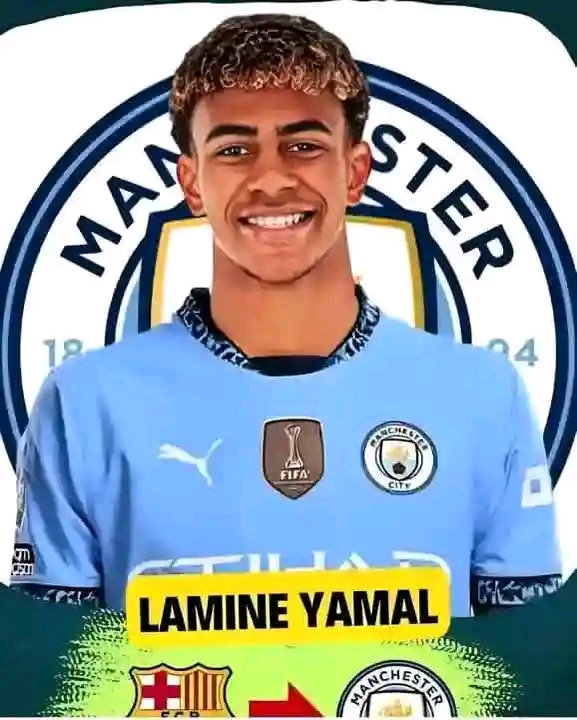
Manchester City are reportedly preparing a major transfer move worth £100 million to bring in a replacement for one of Pep Guardiola’s most favored players at the club
Reports emerging from multiple sources across Europe suggest that Manchester City are preparing to launch a blockbuster transfer move worth in the region of £100 million as they look to secure a long-term replacement for one of Pep Guardiola’s most trusted and influential players. The development has sent shockwaves through the football world, not only because of the size of the proposed fee but also because of the identity and importance of the individual potentially being replaced. When Manchester City move in the transfer market, particularly with figures that approach nine digits, it is rarely speculative or impulsive. It is calculated, strategic, and aligned with a carefully constructed football philosophy that has brought unprecedented domestic success and European glory in recent years.
Guardiola’s Manchester City have been defined by tactical intelligence, positional fluidity, technical excellence, and relentless control of matches. Every key player within the system performs a specific function that contributes to the overall structure of the team. Losing one of the manager’s most favoured figures is not simply about replacing a name on the team sheet; it is about preserving the integrity of a footballing model that depends on precision and cohesion. That is why City’s recruitment department, working closely with Guardiola and the club’s sporting leadership, appear ready to invest heavily in ensuring that any transition is seamless rather than reactive.
The reported target, currently under contract at FC Barcelona, is understood to be considered central to the Catalan club’s long-term sporting project. Barcelona are not believed to be actively seeking a sale and, according to insiders, are resistant to even entering negotiations at this stage. The club views the player as a foundational piece of their rebuilding phase and a symbol of stability during a period in which financial turbulence and squad restructuring have frequently dominated headlines. That resistance is likely to test City’s resolve, particularly if the player in question is considered essential to Guardiola’s tactical vision.
Manchester City’s current era has been built on forward planning. The club rarely waits until a star player declines or departs before identifying potential successors. Instead, they monitor talent across Europe continuously, assessing compatibility with Guardiola’s system long before formal bids are made. A £100 million move would represent both a statement of intent and a demonstration of how seriously City treat squad evolution. It would also reflect the market reality that elite-level, system-ready footballers with proven experience at the highest level command premium fees.
The background to this potential move is crucial. Guardiola has often described certain players as extensions of himself on the pitch — individuals who interpret space, tempo, and positional rotations instinctively. Replacing such a figure requires more than technical ability; it demands football intelligence, discipline, versatility, and mental resilience. In City’s structure, every role is interconnected. Full-backs invert into midfield, midfielders drift into wide areas, and forwards contribute to pressing structures as much as goal-scoring duties. A new arrival must be capable of operating within this complexity without disrupting balance.
Barcelona’s reluctance to sell stems from both sporting and symbolic factors. After years of financial recalibration, the club is attempting to reassert itself among Europe’s elite. Letting go of a high-profile player to a direct continental rival could be perceived as a setback to that ambition. Moreover, Barcelona’s supporters have grown weary of seeing key talents depart during challenging economic cycles. Holding firm against a Premier League giant would send a message that the club is no longer in a position of forced compromise.
However, football economics are rarely straightforward. While Barcelona may not be eager sellers, an offer approaching or exceeding £100 million inevitably introduces complexity. Financial fair play calculations, wage structures, and long-term sustainability models can influence even the firmest public stance. Manchester City, for their part, possess the resources to structure deals creatively, including performance-related add-ons or staggered payments that may make the proposal more appealing without compromising their own financial strategy.
From a tactical standpoint, Guardiola’s interest in reinforcing his squad makes sense. Success in modern football is cyclical, and even dominant teams must refresh strategically to avoid stagnation. Rivals within the Premier League are investing aggressively, and European competition grows fiercer with each passing season. Standing still is not an option for a club that aims to compete on multiple fronts every year. Whether chasing another domestic title or defending continental honours, depth and adaptability are non-negotiable.
The identity of the player potentially being replaced has fueled speculation. Guardiola has historically placed enormous trust in individuals who demonstrate tactical obedience alongside creative expression. When such a player becomes unsettled, approaches the latter stages of a contract, or contemplates a new challenge, City move swiftly to protect their competitive advantage. Planning ahead avoids rushed decisions and inflated panic buys, something Guardiola has consistently sought to avoid throughout his managerial career.
This potential £100 million transfer also highlights the evolving landscape of European football. Premier League clubs possess financial muscle unmatched by most of their continental counterparts, and that reality influences negotiations. Spanish giants, despite their historic prestige, must operate within more restrictive economic frameworks. That imbalance can create tension when England’s wealthiest clubs pursue key assets abroad. Yet prestige, heritage, and sporting ambition remain powerful bargaining chips for clubs like Barcelona, meaning financial power alone does not guarantee success.
Beyond finances, personal factors will play a decisive role. The player’s own ambitions, relationship with coaches, lifestyle considerations, and career trajectory all influence outcomes in modern transfers. Guardiola’s reputation as one of football’s most respected tacticians carries weight. Many players view the opportunity to work under him as transformative. His track record of improving technically gifted footballers and guiding them to collective success is well documented. That allure could become a decisive factor should formal talks progress.
Meanwhile, City’s hierarchy must balance ambition with prudence. A nine-figure outlay requires certainty. Recruitment mistakes at this level are costly not only financially but structurally. Every addition affects squad harmony and playing time distribution. Guardiola has often emphasized the importance of maintaining a cohesive dressing room in which every player understands their role. Introducing a marquee signing can shift dynamics, so alignment between coaching staff and executives is essential.
Barcelona’s stance, described as firm and resistant, reflects broader strategic recalibration. The club aims to rebuild competitive credibility domestically and in Europe. Retaining cornerstone players signals ambition. Losing one to Manchester City, especially if he is seen as integral to tactical evolution, would require careful justification to supporters and stakeholders. The narrative would need to focus on reinvestment potential rather than concession.
For Manchester City supporters, news of a potential £100 million bid generates both excitement and curiosity. The club’s recent transfer history includes transformative acquisitions that elevated performance levels immediately. However, fans also understand the risks of disrupting a winning formula. Replacing a Guardiola favourite is delicate; the successor must replicate influence without undermining established chemistry.
The broader football community watches with interest because such a deal could trigger ripple effects across the market. Large transfers often unlock chains of movement, enabling other clubs to pursue reinforcements with incoming funds. If Barcelona were to accept a significant offer, they might pivot toward alternative targets, thereby stimulating further high-profile negotiations across Europe.
Timing will be critical. Early summer approaches allow for smoother integration during pre-season. Late-window drama increases uncertainty and tactical instability. Manchester City typically prefer decisive action rather than drawn-out sagas, though patience remains a hallmark of their approach when necessary.
Another dimension involves media narrative. High-profile transfer pursuits inevitably attract speculation, leaks, and counter-briefings. Public posturing can influence negotiation leverage. Barcelona’s declaration that they are “not ready to let go” may serve both as a genuine stance and as a strategic signal designed to strengthen their bargaining position.
Guardiola himself is unlikely to comment extensively while discussions remain unofficial. Historically, he avoids public pressure tactics regarding transfer targets, preferring discretion and internal alignment. Yet his approval would be fundamental to any deal reaching advanced stages. Recruitment at City is collaborative but always anchored in tactical compatibility with Guardiola’s blueprint.
The potential replacement’s skill set will define how City evolve next season. If the incoming player brings additional attributes — greater physicality, enhanced goal contribution, or defensive versatility — it could signal subtle tactical adjustments. Guardiola has shown willingness to reinvent his team repeatedly, from deploying inverted full-backs to introducing hybrid midfield roles. A new signing might represent another phase of evolution rather than simple replication.
For Barcelona, the decision extends beyond economics. It intersects with identity. The club prides itself on developing and retaining elite technical footballers who embody its stylistic philosophy. Letting one depart to an English powerhouse raises symbolic questions about competitive standing and long-term vision. Yet modern football’s realities sometimes require difficult compromises.
Ultimately, the saga underscores the relentless ambition that defines Manchester City’s era. Dominance does not breed complacency; it intensifies the drive to improve. Preparing a £100 million bid reflects foresight, not desperation. It suggests awareness that football’s margins are slim and that sustained excellence requires continuous refinement.
Whether Barcelona’s resistance holds firm remains to be seen. Negotiations in elite football are rarely static. Positions soften, conditions change, and circumstances evolve. What appears immovable today can become negotiable tomorrow if strategic incentives align.
In the coming weeks, further clarity is expected as conversations progress behind closed doors. Should Manchester City formalize their interest with a structured proposal, attention will shift from speculation to tangible negotiation. If Barcelona maintain their stance unequivocally, City may reassess alternatives already identified within their scouting network.
What is certain is that this potential £100 million move encapsulates modern football’s intersection of ambition, economics, and tactical evolution. It is not merely about replacing a player; it is about safeguarding a system, reinforcing a dynasty, and ensuring that Guardiola’s blueprint remains formidable in the face of mounting competition.
As developments unfold, supporters of both clubs will watch anxiously. For Manchester City, it represents the pursuit of continuity and competitive supremacy. For Barcelona, it is a test of resolve and strategic direction. And for the wider football world, it may become one of the defining transfer stories of the year, illustrating once again how power, prestige, and ambition collide at the highest level of the game.