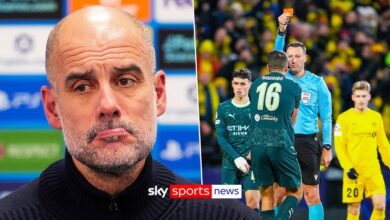
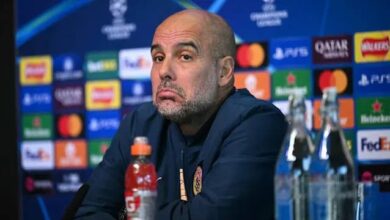
Manuel Akanji says there is no chance of returning to Manchester City from his loan spell at Inter Milan this month.

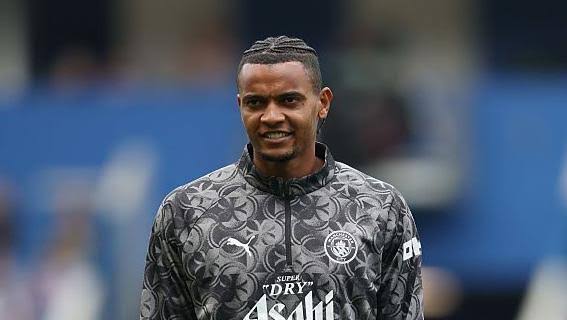
Manchester City are facing one of their most difficult moments of the season, and the timing could not be worse. Injuries have torn through Pep Guardiola’s defence, leaving gaps, uncertainty, and growing anxiety around the Etihad Stadium. Ruben Dias is sidelined, Josko Gvardiol is unavailable, and John Stones is once again battling fitness problems. For a team that builds its success on control, structure, and defensive stability, these absences feel like cracks in the foundation. Naturally, fans began looking for solutions, and one name quickly returned to the conversation. Manuel Akanji.
Akanji, once a trusted and important part of Guardiola’s system, is currently away from Manchester City, spending the season on loan at Inter Milan. As City’s defensive injury list grew longer by the week, many supporters hoped the Swiss international might make an early return in January to help steady the ship. In theory, it made sense. Akanji knows the system. He understands Guardiola’s demands. He has Premier League experience. He could provide cover, flexibility, and calm during a difficult period. But football is rarely that simple.
In a recent interview, Akanji made his position very clear. There would be no dramatic return to Manchester City this winter. No emergency recall. No rescue mission. His answer was firm, confident, and final. There was, in his own words, “no chance” of returning to City in January. Those words echoed loudly among City fans, many of whom were hoping for good news during an increasingly stressful period.
Akanji’s loan move to Inter Milan last summer surprised many. He had been a regular presence in City’s squad, valued for his versatility and intelligence. He could play as a centre-back, fill in at right-back, and adapt to Guardiola’s complex tactical instructions. But football is about timing, competition, and constant evolution. Manchester City’s squad is ruthless. New signings arrive. Roles change. Minutes become harder to find. At a certain point, a player must choose between patience and opportunity.
Inter Milan offered Akanji something he needed: trust, responsibility, and a fresh challenge. From the moment he arrived in Italy, he was welcomed as an important piece of the puzzle. Inter are a club with history, ambition, and a hunger to dominate Serie A and compete deep in Europe. Akanji quickly settled into life in Milan, finding consistency and confidence that had become harder to guarantee in England.
Now, with Manchester City facing a defensive crisis, the question returned. Would Akanji come back if Pep Guardiola needed him? His answer removed all doubt. He had already addressed the question before, and his stance had not changed. A winter return was not happening. The decision was not emotional. It was professional. Akanji feels happy at Inter. He feels valued. And at this stage of his career, that matters more than emergency call-ups.
Related Posts:





Akanji was honest about the uncertainty of the future. He did not rule out a move back to City in the summer, but he also did not promise one. He admitted that the situation is not entirely in his control. Transfers depend on clubs, contracts, finances, and performance. What he did make clear is his desire to continue at Inter for as long as possible. He spoke with calm confidence, not bitterness, not regret. Just clarity.
Inter Milan are not treating Akanji as a temporary solution. There is a belief within the Italian club that his loan deal could turn permanent. Reports suggest there is an obligation to buy him if Inter win Serie A this season. That clause changes everything. Inter are serious title contenders, and if they succeed, Akanji’s future could be sealed without further negotiations. For City, that possibility represents a quiet goodbye to a player who once played an important role in their success.
Manchester City, however, are not standing still. Guardiola and the club’s recruitment team have already acted. The signing of Marc Guehi from Crystal Palace on a long-term deal shows City’s determination to stay ahead of problems rather than react too late. Guehi is young, strong, and Premier League-proven. He represents the future, not a short-term patch. Guardiola prefers building systems, not fixing emergencies.
Still, the timing of Akanji’s comments stings. Fans see defenders injured, fixtures piling up, and pressure increasing. In moments like these, nostalgia often takes over. Supporters remember Akanji’s calm performances, his ability to read the game, his flexibility. They wonder whether keeping him might have avoided the current situation. But football decisions are made months earlier, not in moments of panic.
From Akanji’s point of view, the choice makes perfect sense. At Inter, he plays regularly. He competes at the top of Serie A. He faces elite opponents in the Champions League, including a high-profile clash against Arsenal that puts him right back in the global spotlight. He is not on the bench, waiting. He is on the pitch, contributing, growing, and enjoying his football.
That enjoyment came through clearly in his words. He spoke about happiness, about hoping his time at Inter continues. These are not empty phrases. Players often speak carefully, but Akanji sounded genuinely settled. After years of moving between leagues and adapting to new systems, stability has value. Confidence grows when a player feels trusted, and that trust can unlock performances that were previously hidden.
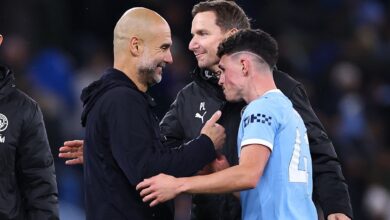
For Pep Guardiola, this situation is not new. He has always accepted that players will leave if they feel their role is shrinking. Guardiola demands total commitment, but he also respects honesty. If Akanji believes his future lies elsewhere, Guardiola will not stand in his way. City’s model has always been clear. No player is held against his will. The team comes first, always.
Inside the City dressing room, the injuries have forced adjustments. Players are being asked to cover unfamiliar roles. Midfielders drop deeper. Full-backs tuck inside. Guardiola adapts, but adaptation has limits. Overloading players can lead to more injuries, more fatigue, and more mistakes. The defensive crisis is real, and it will test City’s depth, discipline, and mentality.
Some fans question whether letting Akanji go was a mistake. Others accept it as part of football’s constant cycle. Manchester City have built an empire on bold decisions. Sometimes they pay off immediately. Sometimes they create short-term pain. The club trusts its process more than individual moments.
Akanji’s refusal to return early also sends a subtle message about modern football. Loyalty exists, but careers are short. Players must think about where they play, how often they play, and how they feel. Emergency returns often benefit clubs more than players. Akanji has chosen continuity over chaos, and it is hard to blame him.
As the season progresses, this story will continue to develop. If Inter win Serie A, Akanji’s move could become permanent. If Manchester City overcome their defensive issues and push for titles, the absence of Akanji may fade into the background. If City struggle, questions will grow louder.
For now, the situation is clear. Manuel Akanji is focused on Inter Milan. Manchester City are focused on solutions elsewhere. Paths that once crossed have separated, at least for now. Football moves quickly, but decisions like this reveal deeper truths about ambition, timing, and identity.
Akanji’s words were not dramatic, but their impact was strong. No return. No winter rescue. No turning back. Manchester City must face their challenges without him, and Inter Milan will continue to benefit from a defender who feels at home.
In football, absence often speaks louder than presence. And in this case, Akanji’s absence from Manchester City has become part of a bigger story about change, transition, and the relentless demands of life at the top.