Next Man City captain? Prediction made ahead of Bernardo Silva exit with Ruben Dias and Erling Haaland among contenders to take the armband

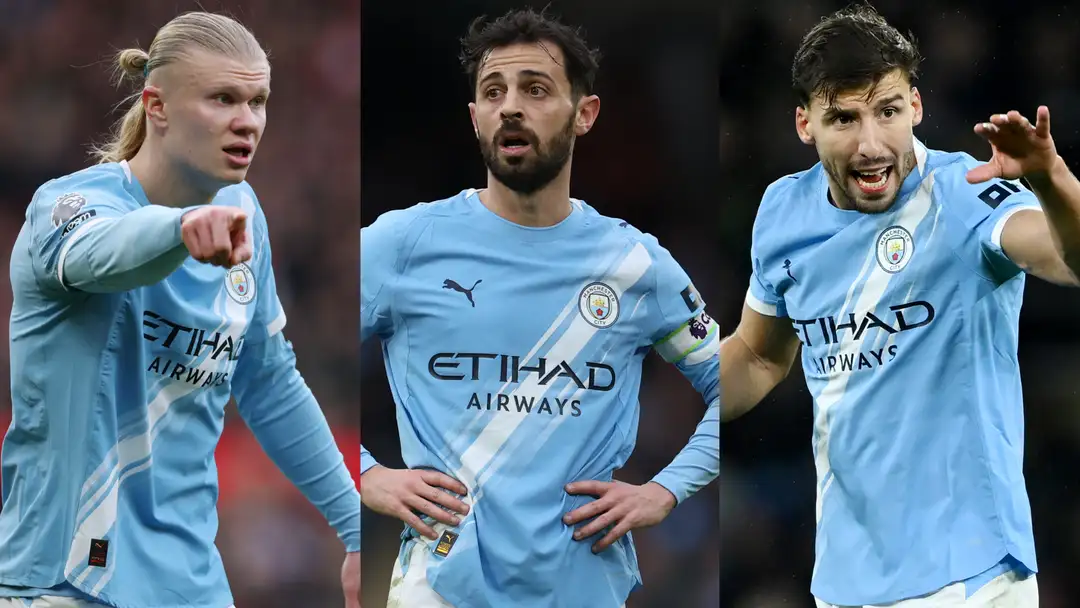
Manchester City are quietly preparing for a big change that could shape the next era of the club. It is not about a manager leaving, not about a sudden collapse in form, and not even about a blockbuster transfer. It is about leadership. It is about the captain’s armband. And it is about what happens next if Bernardo Silva’s long and emotional journey at the Etihad Stadium finally comes to an end.
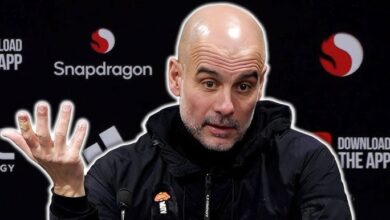
For many years now, Bernardo Silva has been one of the faces of Manchester City. He has been one of the players Pep Guardiola trusts the most. He has been one of the voices in the dressing room. He has been one of the players who understands exactly what Guardiola wants on the pitch, sometimes even before the manager explains it. When things get difficult, Silva is usually one of the first players to demand more from himself and from those around him. That is why, when he was given the captain’s armband, very few people were surprised.
But football moves fast. Contracts run down. Players get older. New leaders emerge. And now, as the 2025-26 season moves forward, there is a growing feeling that Silva’s time at City is coming to a natural end. His contract is running down, and unless there is a late change of heart from either side, he could leave the club in the summer as a free agent. He will be 31 years old by then, with nothing left to prove at City and a legacy that will be hard to forget.
This situation has forced a new conversation inside and outside the club. Who will be the next Manchester City captain? Who will wear the armband in the 2026-27 season? Who will be the player Pep Guardiola looks to when the pressure is highest, when the stadium is nervous, and when standards must be defended?
Several names have come up, but two stand out more than the rest. Ruben Dias and Erling Haaland.
Ruben Dias has quietly become one of the most important figures at Manchester City since arriving from Benfica. From his very first season, he changed the defence. He brought authority, calm, and leadership. He talks constantly on the pitch. He organises. He demands concentration. He hates losing. These are qualities Guardiola loves, especially in a centre-back.
Related Posts:





Dias is 28 years old, right in the middle of his prime. He plays in the heart of the defence, a position traditionally associated with captains. He sees the whole game in front of him. He can guide younger players. He can control emotions. And crucially, he has already acted as captain on several occasions when Silva has not been on the pitch. Inside the club, this has not gone unnoticed.
Guardiola himself has spoken about Dias’ importance beyond just defending. He has admitted that he sometimes plays Dias too much because of what he brings in terms of leadership and mentality. Even when carrying knocks or managing fitness issues, Dias often wants to be on the pitch because he feels responsible for the team. That sense of responsibility is exactly what clubs look for in a captain.
There is also Erling Haaland, a very different kind of leader but an equally powerful presence. Haaland is not the loudest voice in the dressing room, but his influence is massive. He leads through performance. He leads through goals. He leads by setting impossible standards. When he scores 26 goals in a season and still looks angry when he misses chances, that sends a message to everyone else.
Haaland’s value to Manchester City is impossible to ignore. He is the focal point of the attack. He is one of the most feared strikers in world football. Opponents plan entire games around stopping him, and still fail. Making him captain would be a statement about the club’s identity and future. It would say that City are building around him not just as a goalscorer, but as a symbol.
However, there are questions. Strikers are not always natural captains. Haaland is still relatively young. He is intense, sometimes quiet, sometimes explosive. Leadership comes in many forms, but Guardiola is known to value tactical communication and control, which often suits defenders or midfielders more than forwards. That does not rule Haaland out, but it does make the decision more complex.
Another name often mentioned is Rodri. When Rodri is fit and confident, he is arguably the most important player in Guardiola’s system. He controls tempo. He protects the defence. He connects everything. When City struggle, it is often because Rodri is missing or not fully himself. Guardiola trusts him deeply.
But Rodri’s situation is complicated. He has been dealing with serious injury issues, and his contract is running down in less than 18 months. Guardiola has said openly that Rodri will need time to get back to his best, possibly not until the end of the season. City have taken exceptional care of his recovery, showing how much they value him, but there is uncertainty. Giving the captaincy to a player with ongoing fitness concerns and contract questions is not always ideal.
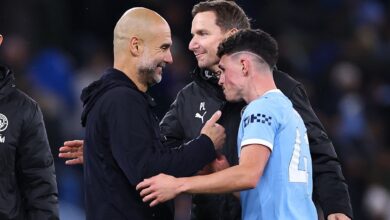
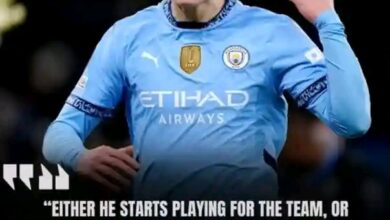
Phil Foden is another important figure. A local lad. A symbol of the club’s academy. A player who has grown into a world-class talent under Guardiola. His contract runs until 2027, and talks over a new deal are progressing well. Foden represents the future of Manchester City in many ways.
But leadership is not just about talent or loyalty. It is about personality, presence, and authority. Foden is respected, but he is still developing that commanding aura that captains often need. His time may come, but perhaps not immediately.
All of this points back to Ruben Dias as the most logical next captain. This is not just speculation from fans. The Manchester Evening News has reported that Dias was close to being named captain even before Silva got the armband. The idea has been in Guardiola’s mind for some time. Silva’s leadership delayed that transition, but did not erase it.
If Silva leaves, as now seems likely, it would be a surprise to many inside the club if the captain did not come from the existing leadership group. Guardiola values continuity. He values trust. He values players who already understand the culture. Dias fits that profile perfectly.
While these discussions happen quietly, Manchester City are still fully focused on competing for trophies. They remain active in four competitions this season. The Premier League title race is intense. The Champions League is always the ultimate test for Guardiola. The FA Cup and Carabao Cup offer further chances for silverware. Silva, if this really is his final season, will be desperate to leave with one more trophy in his hands.
Behind the scenes, City’s planning does not stop at the captaincy. Squad management is an ongoing process. January has already seen arrivals, with Marc Guehi and Antoine Semenyo joining the club. These signings were not just about the present, but also about the future. City believed both players could add something immediately and also fit into long-term plans. Crucially, their former clubs were open to selling, which made January deals possible.
However, there is an understanding that one area still needs attention. Midfield. Especially the holding midfield role. City have struggled to find reliable cover for Rodri. Injuries have exposed a lack of depth, and Guardiola has been clear in his frustration. It is extremely difficult to sign top midfielders, even harder in January. Targets like Elliot Anderson were simply not available.
The expectation is that City will move for a midfielder in the summer. The club knows it cannot go into another season where two out of three options for a key role are always injured. That kind of risk is unacceptable at the highest level.
This is where leadership becomes even more important. When squads are stretched, when injuries pile up, when schedules become brutal, strong leaders hold teams together. They maintain standards. They protect younger players. They speak up when things slip. Guardiola knows this better than anyone.
That is why the choice of captain matters so much. It is not a symbolic decision. It is a practical one. It affects training intensity, matchday mentality, and dressing room dynamics. At a club like Manchester City, where expectations are sky-high every single season, the margin for error is tiny.
Bernardo Silva has done that job brilliantly. He has been the bridge between Guardiola and the squad. He has translated tactical demands into emotional commitment. Losing him will be emotional, but it will also open the door for a new leader to define the next chapter.
Ruben Dias looks ready. He speaks with authority. He carries himself like a captain. He has already earned respect through performances in the biggest matches. He understands what it means to defend under pressure, to protect leads, to respond after setbacks. He has been there when City won, and he has been there when they suffered painful defeats.
Erling Haaland remains an exciting alternative, a symbol of ambition and dominance. His future at the club will also influence decisions. If he stays for the full length of his contract and continues to commit himself fully, his leadership role will naturally grow, with or without the armband.
For now, Manchester City are calm. There is no panic. There is no rush. Guardiola will take his time. He will observe. He will listen. And when the moment comes, he will make a decision that aligns with the club’s philosophy.
As for Bernardo Silva, his story at City is already complete in many ways. Nine years of brilliance. Countless trophies. Endless memories. If he leaves, he will leave as a legend. And he will leave knowing that the club he helped build is in safe hands.
The armband will change wrists, but the standards will remain. At Manchester City, leadership is not optional. It is demanded. And whoever wears that armband next will know exactly what it means.