The tension around Manchester City has reached a boiling point. After a frustrating 1-1 draw against West Ham United at the London Stadium, questions are swirling louder than ever. The Premier League season is entering a critical phase, and Manchester City find themselves in a position that is both familiar and uncomfortable: chasing Arsenal at the top of the table while trying to balance ambitions in multiple competitions.
It was a match that carried so much weight for City. Not only were points at stake, but momentum, confidence, and belief were on the line. Pep Guardiola, the mastermind behind City’s transformation over the past decade, faced one of his toughest challenges yet. He had to decide how to handle his substitutions, how to inject creativity and urgency into a team that appeared stagnant at times, and how to maintain the delicate balance of experience and youth in a squad that has undergone significant rebuilding over the last 18 months.
Guardiola’s choices, however, did not pay off in the way he hoped. The first half saw Bernardo Silva give City a lead, a goal that brought temporary hope. But West Ham responded quickly. Konstantinos Mavropanos leapt to meet a Jarrod Bowen corner, powering a header under the crossbar to level the match. Just like that, City’s advantage evaporated, and the Blues were left chasing the game they had initially controlled.
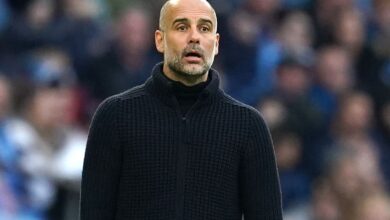
But it wasn’t just the equalizer that worried Guardiola. It was the pattern of indecision that has plagued City in recent matches. Against West Ham, as well as in the previous fixture versus Nottingham Forest, the timing and choice of substitutions left much to be desired. Against Forest, Guardiola had intended to make a change but ultimately held back. Against West Ham, it was his assistant, Pep Lijnders, who stood in the dugout, executing Guardiola’s plan while the manager served the first of a two-match touchline ban after collecting his sixth yellow card of the season.
The drama in the dugout intensified when Phil Foden and Tijjani Reijnders were ready to enter the pitch, only to be delayed for ten critical minutes. Fans and pundits alike were left questioning the decision-making process. TNT Sports initially reported that Foden would replace Erling Haaland, but when the substitution finally occurred, it was instead Antoine Semenyo who made way. Guardiola later reflected on this, admitting that the timing and choice of substitutions might have been “not correct.”
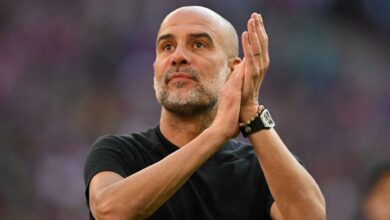
It was a rare moment of self-critique from Guardiola. Known for his tactical genius and meticulous planning, the Spaniard’s acknowledgment that a decision may not have been ideal illustrates the pressure weighing on the manager and his team. In hindsight, Guardiola considered whether keeping Semenyo on and substituting Matheus Nunes instead could have yielded a better outcome as City pushed for a winner that never came.
Despite the setback, Guardiola’s philosophy remains rooted in development and resilience. The Blues’ experienced players, such as Rodri, have been a steadying influence, urging younger players not to lose heart. Rodri, who has been with City for years and witnessed the highs and lows, recognizes that this is a team still in the process of building, adapting, and evolving. He reminded the squad that moments like these are part of football, essential lessons in the journey toward consistent success.
“No regrets. When you are here 10 years or seven like me and what we’ve done, you cannot ask more of the lads. We are able to do what we’re able, we’ve been fighting,” Rodri said in a post-match interview. His words capture the spirit of a team that, despite a dip in form or a disappointing result, continues to strive for excellence.
It’s also a reminder that City’s current situation is the product of extensive transformation over multiple transfer windows. The club has invested heavily, experimented with personnel, and reshaped its squad. Such a process inevitably brings challenges, especially when young players are being integrated into high-pressure environments. Guardiola, in his absence from the touchline, had to rely on his coaching staff to maintain focus, communicate tactical adjustments, and manage players’ morale.
The West Ham match was emblematic of the fine margins in football. City dominated possession and created opportunities, but the execution faltered at critical moments. Erling Haaland, who has carried the team with his prolific goalscoring in previous seasons, struggled to find his rhythm. Foden and Reijnders, when finally introduced, injected fresh energy and creativity, yet time was not on their side. Every decision, every delay, was magnified by the weight of the title race and the relentless scrutiny of the media and supporters.
Guardiola has always emphasized that setbacks are part of the learning process. The 1-1 draw, while frustrating, was not seen as a catastrophic failure. Instead, it was a moment for reflection and analysis. He stressed that football is about growth, adaptation, and perseverance. Losses are opportunities to understand weaknesses, improve strategies, and develop mental toughness within a squad.
The Premier League title race, however, is unforgiving. With Arsenal leading by nine points, the gap is significant, even with City holding a game in hand. Every dropped point compounds the challenge. Guardiola knows that the margin for error is slimmer than ever, yet his focus remains on preparation, tactical refinement, and instilling belief in his players.
This 1-1 draw also highlights the delicate balance between youth and experience. City’s younger players, while immensely talented, sometimes lack the composure required in moments of high pressure. Guardiola and his senior squad members recognize this and are keen to provide guidance rather than criticism. Supporting young talents, encouraging them, and fostering resilience is seen as equally vital as winning games themselves.
In this context, substitutions take on even greater importance. Decisions about who enters the pitch, when, and in which scenario can define the outcome of a match. Guardiola’s reflection on his choices—acknowledging that certain substitutions may have been mistimed—demonstrates a level of introspection rare even among elite managers. It is an illustration of a coach constantly learning, evolving, and adapting to circumstances.
Off the pitch, Guardiola continues to manage expectations. His leadership is not limited to tactical decisions. He shapes the culture of the club, ensures players understand their roles, and manages the media narrative surrounding the team. Every press conference, every interview, every comment is part of a broader strategy to maintain focus, instill belief, and protect players from unnecessary pressure.
Rodri’s comments about maintaining perspective for younger players underline another critical aspect of Guardiola’s approach: football is a marathon, not a sprint. The Premier League, UEFA Champions League, and domestic cup competitions all demand sustained focus and performance. Learning from setbacks is part of the process, ensuring the team emerges stronger, more cohesive, and better prepared for future challenges.
This philosophy has been tested in recent weeks. Against West Ham and Nottingham Forest, City failed to convert control and possession into decisive victories. Dropped points have exposed subtle weaknesses in the squad, from decision-making under pressure to finishing in critical moments. Guardiola’s reflections and Rodri’s encouragement represent a dual approach: acknowledge mistakes, support growth, and maintain faith in the squad’s overall potential.
The 1-1 draw also emphasizes the unpredictable nature of football. Even dominant teams like Manchester City, with world-class talent and tactical acumen, can encounter obstacles. Opposition teams, motivated and well-prepared, can capitalize on minor lapses or momentary indecision. Such matches are a reminder that success is never guaranteed, regardless of resources, reputation, or history.
Guardiola’s management style, which combines tactical intelligence with psychological insight, remains key. He knows when to challenge players, when to support them, and when to allow them to learn from their experiences. The balance between authority and empathy is crucial, especially in high-pressure moments where young players are expected to perform on the biggest stages.
Furthermore, the timing and execution of substitutions can dramatically alter a game’s flow. Bringing on players like Foden or Reijnders requires precision. Introducing fresh legs at the wrong moment, or delaying their entry, can hinder momentum and affect morale. Guardiola’s candid acknowledgment that some substitution choices were “not correct” reflects an acute awareness of these dynamics.
For supporters, these moments spark debate. Fans dissect every decision, evaluate each tactical adjustment, and analyze how the team might have approached the match differently. Guardiola, aware of this scrutiny, maintains his focus inward—on players, performance, and preparation—while using external criticism to inform future strategy.
As the season progresses, City faces a congested fixture schedule across four competitions. Each match presents a new challenge, a fresh test of skill, strategy, and mental resilience. Guardiola’s task is to navigate this demanding period while preserving player fitness, maintaining tactical cohesion, and fostering belief throughout the squad.
Despite setbacks, City’s experienced leaders, like Rodri, provide stability. Their perspective and guidance are vital, particularly for younger players encountering pressure situations for the first time. Lessons from matches like West Ham are not viewed as failures but as stepping stones, essential components in a long-term vision of success.
Guardiola’s management, therefore, is not only about winning individual games. It is about building a culture, cultivating resilience, and ensuring that the squad grows stronger through adversity. The Premier League, with its relentless pace and intensity, tests these qualities daily. Every draw, loss, or narrow victory contributes to the ongoing development of both players and the team as a whole.
This approach explains why Guardiola remains a figure of respect and admiration, even in challenging times. His willingness to reflect on mistakes, support younger players, and prioritize development over immediate results reinforces the notion that Manchester City is a club built for sustained excellence, not short-term glory.
The 1-1 draw against West Ham, while disappointing in the moment, fits within a broader narrative. Guardiola is shaping a team capable of competing on multiple fronts. Learning from these matches, maintaining belief, and applying lessons strategically are essential steps toward achieving the ultimate goal: domestic and European success.
As City prepares for the next fixtures—crucial Premier League games, UEFA Champions League challenges, and domestic cup finals—the lessons from West Ham will inform strategy, substitutions, and in-game adjustments. Guardiola’s reflections, combined with the guidance of senior players like Rodri, aim to ensure that mistakes are temporary setbacks, not defining moments.
Ultimately, the story of this match is not simply about a draw. It is about leadership under pressure, tactical decision-making, squad development, and the relentless pursuit of excellence. Guardiola’s candid self-assessment, Rodri’s support for younger players, and the intense scrutiny from fans and media all converge to create a vivid picture of the challenges faced by a modern elite football club.
Manchester City, guided by Guardiola’s vision, continues to pursue success despite obstacles. The team is alive in multiple competitions, rich in talent, and led by a manager who understands both the tactical and psychological dimensions of football. The 1-1 draw against West Ham is a chapter in a larger story: one of growth, resilience, and the pursuit of greatness at the highest level of the sport.
For the Blues, the message is clear: setbacks are temporary, learning is ongoing, and belief must remain unshaken. Guardiola and his players will analyze, adapt, and approach the coming challenges with renewed focus, aiming to convert lessons from the past into victories in the future.
The Premier League title race is far from over. The UEFA Champions League remains a tantalizing opportunity. Domestic cups offer chances for silverware. Every decision Guardiola makes—substitution, tactical shift, or motivational speech—carries weight. Each action shapes the trajectory of the season.
For Manchester City supporters, the path forward is a mixture of hope, tension, and excitement. Guardiola’s management, Rodri’s leadership, and the squad’s talent combine to ensure that, despite adversity, the team remains a formidable force capable of extraordinary achievements.
This match against West Ham, therefore, is more than a single draw. It is a reflection of the realities of elite football: pressure, scrutiny, learning, and resilience. It highlights the complex decisions managers face, the role of experience in guiding youth, and the importance of belief and culture in sustaining long-term success.
Manchester City’s journey continues, and Pep Guardiola’s stewardship remains central. The challenges of the Premier League and Europe will test the squad, but with the lessons of West Ham integrated into strategy, City is better equipped to face the battles ahead. In football, as in life, setbacks are temporary, but vision, preparation, and resilience define lasting greatness.