As the campaign unfolds, this predictive model doesn’t just spit out a single result — it produces a probability landscape that shows which teams are most likely to win the title, which teams will battle for European spots, and which might face the threat of relegation. In the context of this season, the numbers have been clear: one club stands above the rest when it comes to expected potential to lift the trophy in May
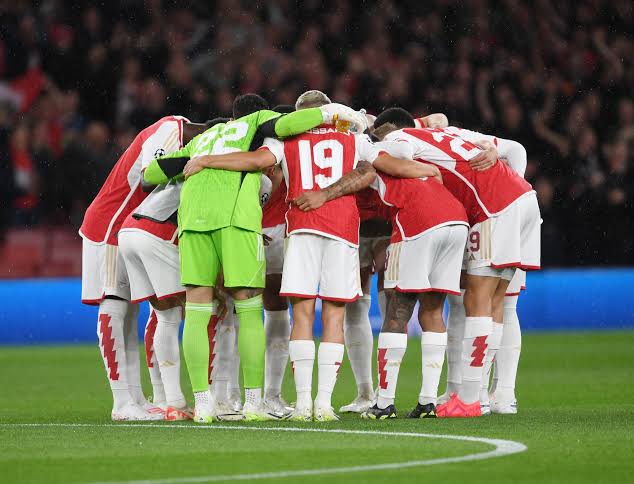
At the top of the prediction table sits Arsenal Football Club**. According to the most recent simulations, the supercomputer gives Arsenal a commanding and exceptional chance — approximately 78–80% probability — of winning the Premier League title this season. ([GistReel][2]) This high probability isn’t something that happened overnight. It is the result of consistent performances, a strong squad, and a run of results that have kept them in or near the league lead for much of the season. To put it simply: their consistency and form have impressed both fans and machines alike.
Arsenal’s projected success is grounded in the numbers. In the model’s simulated scenarios, the Gunners often finish top of the league with a clear margin of points over their closest rivals — sometimes by as much as nine points or more. That’s a significant gap in a league as competitive as the English top flight, where even a single point can be the difference between champions and runners‑up. For a club that last won the Premier League title back in 2004, this prediction represents a potential return to the summit of English football after a long wait.
Behind Arsenal in the hierarchy, the supercomputer identifies Manchester City as the closest challengers. The reigning champions — with Pep Guardiola at the helm — are given a much smaller, but still notable, chance of reclaiming the crown, with the model typically assigning them just over 10% probability of winning outright in simulations. City’s track record in recent years has been phenomenal — they have dominated the Premier League and are one of the most successful teams of the decade. Even with a reduced chance compared to Arsenal, they remain a serious contender through sheer quality in their squad and tactical strength.
One of the most fascinating aspects of using a statistical model such as Opta’s supercomputer is that it reflects not just raw talent, but expected consistency over a season. That means it takes into account variables like difficulty of fixtures ahead, home and away form, player injuries, historical performance under pressure, and more. So while Manchester City might be perceived by many fans as having a real shot just because of pedigree, the numbers suggest their path to the title is narrower compared to Arsenal’s
In third place —but with a much smaller probability— sits Liverpool The Reds, one of England’s most storied football clubs, have shown plenty of moments of quality throughout the season. Yet inconsistency and unexpected results have seen their title chances diminish in the data. Even though they remain competitive and can still finish high in the table, the supercomputer assigns them only a single‑digit chance of topping the league in its projections. For Liverpool supporters, this might be frustrating — but it illustrates the reality of modern Premier League dynamics where small margins can have major implications in the title race.
Below the top three, the model distributes very small percentages of championship probability among other teams. Clubs like Chelsea and other traditional top‑six sides might perform well in patches and qualify for European competitions — but their likelihood of lifting the title is statistically minimal according to the supercomputer’s outlook. On such a competitive league, even being realistically projected for a top‑four or continental qualification finish is significant, given how performance can fluctuate over a 38‑game season.
So what do these numbers mean for Arsenal? To a statistician, a probability of around 78–80% means that in roughly eight out of every ten simulated versions of the season, the model predicts they come out on top. In practical terms, this suggests that if the season were replayed many times under similar conditions, Arsenal would most likely be champions. But — and this is an important point — **statistics are not guarantees**. Football, after all, is played on the pitch with human decision‑makers, unpredictable drama, and moments that defy logic. Upsets, injuries, tactical masterclasses, and sheer momentum swings have all historically changed title races in ways no model could fully anticipate.
That’s why, even with such a strong projection, fans and pundits alike still talk about “what ifs” — what if Arsenal drop key points in big matches? What if Manchester City find a late‑season winning run? Could Liverpool still mount a comeback? These questions exist precisely because football is alive and unpredictable. The supercomputer gives an idea of probabilities, not certainties.
Beyond just naming likely winners, the model’s predictions also offer insight into theexpected points totals for clubs by the season’s end. For example, Arsenal’s championship path usually sees them finishing with around 80 or more points in the model, which would be one of the higher totals in recent years. Manchester City’s projected points totals trail behind, often in the low‑70s, while Liverpool’s projections are slightly lower still.
Critically, statistics models like this take into account the likelihood of each individual match outcome — wins, draws, losses — based on current form, fixture difficulty, and historical performance. Every match is treated as a variable: even a single unexpected draw for Arsenal against a lower‑placed club could marginally decrease their title probability in simulations. But because they have been consistent, their modelled probability remains strong.
For fans of Arsenal, this statistical support will be met with excitement. After years of being close but not quite getting over the line, the idea of ending a 21‑year Premier League title drought is tantalising. And when analytics point strongly in their favour, it adds fuel to supporter optimism. But it’s also worth noting that expectations must be managed — even statistically likely outcomes can fail to materialise when unpredictable real‑world conditions come into play.
A title race is not decided until the final whistle of the final matchday. By May, teams will have faced every rival twice, coping with a full season’s worth of challenges. Momentum swings, injuries to key players, managerial changes, and even weather conditions can influence results. Models help frame likely outcomes but never replace the actual drama of sport.
From a broader perspective, Opta’s supercomputer projection highlights a shift in Premier League power. While Manchester City’s recent dominance has been remarkable, the current data suggests a power shift toward Arsenal, backed by sustained performance levels and squad depth. Liverpool’s challenge remains real, but their lower probability in the final simulations shows just how narrow the margins are in a three‑horse (or more) race. Meanwhile, other traditional contenders must look to secure European football and build toward future title challenges.
The Premier League’s competitiveness is part of what makes these predictions so intriguing. Unlike leagues where one club dominates year after year, the EPL’s depth means that many teams are capable of pulling off surprise results. That makes statistical modelling both challenging and fascinating — every match result has the potential to significantly reshape the title race.
A final word on how these predictions are generated Opta’s supercomputer doesn’t literally “predict the future.” Instead, it simulates possible futures based on a combination of real‑world data, statistical modelling, and probability theory. It’s similar to weather forecasting models or economic simulations — powerful tools for understanding likely outcomes, but not infallible. The algorithm will update its projections throughout the season as results come in, meaning predictions can rise or fall rapidly with key wins, draws, or losse.
In summary: according to Opta’s latest supercomputer projections, Arsenal are the leading favourites to lift the Premier League trophy this May with a commanding probability compared to other contenders. Manchester City, remain in the hunt with a respectable chance, while Liverpool’s title hopes linger lower but still present. However, the beauty of football — and the Premier League in particular — is that nothing is truly decided until the final matchday arrives, and numbers, while insightful, can never fully capture the drama of the sport itself.
If you want, I can also turn this into a formatted blog post with visuals and charts or tailor it to a specific team focus (e.g., Arsenal, Man City, Liverpool) — just let me know