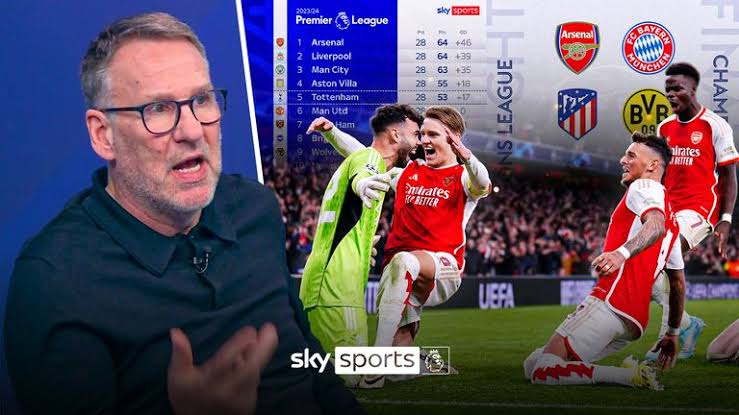
The football world never sleeps. Every single week, there is always one comment, one interview, or one explosive opinion that sets everything on fire. And this week, the heat started early. It did not wait for the weekend. It did not wait for a big derby. It began with a few sharp words from former Arsenal midfielder and now outspoken pundit Paul Merson — and those words were aimed straight at a star player from Celtic FC.
Merson did not hold back. He did not try to soften his message. He went straight in, calling the Celtic player a snake. In football language, that is not a small insult. That is not a light joke. That is serious. When someone is called a snake in the game, it usually means betrayal. It suggests disloyalty. It hints that something happened behind the scenes that fans were not happy about.
And when a former professional like Merson says it on a public platform, people listen.
The comments quickly spread across social media. Clips were shared. Screenshots were reposted. Supporters argued in comment sections. Some agreed with him. Others felt he had gone too far. But that is what happens when football emotions are high.
To understand why Merson’s words created such a strong reaction, you have to understand Celtic. Celtic is not just any club. It is one of the biggest teams in Scotland. It has a long history, massive support, and a proud tradition of loyalty and passion. When a player becomes a star at Celtic, he becomes more than just a footballer. He becomes a hero to many fans.
So when that hero is suddenly accused of acting like a snake, it shakes the room.
Merson’s frustration was not only about the player. He also turned his attention toward the league itself. He called on the Scottish Professional Football League to take action. His message was clear: do something, or else.
That “or else” part is what really caught attention.
What did he mean by that? Was he suggesting stronger punishments? Better rules? More control over player behavior? Or was he simply expressing anger in the heat of the moment?
Football pundits are known for dramatic language. It keeps viewers engaged. It creates headlines. It drives debate. Merson has always been honest and emotional in his analysis. He does not speak like a politician. He speaks like someone who lived the game, who understands dressing room culture, and who believes loyalty matters.
But football in modern times is complicated.
Players move clubs more than ever. Contracts are negotiated by agents. Social media adds pressure. Rumors spread fast. Sometimes fans feel betrayed when a player pushes for a move. Sometimes clubs make decisions without telling the full story. And sometimes, what looks like betrayal from the outside is simply business behind closed doors.
Still, calling someone a snake is strong. It suggests there was more than just a simple transfer or disagreement.
The week truly started hot because the comments came at a time when Scottish football was already under tension. Title races bring pressure. Big matches bring emotion. Every decision by referees is examined. Every tackle is replayed. And when a pundit steps in with sharp criticism, it adds fuel to the fire.
Supporters of Celtic reacted quickly. Some defended their player, saying Merson does not understand the full situation. Others admitted they were disappointed with how things unfolded but felt the language was too harsh. Rival fans, of course, enjoyed the chaos. That is football. When one big club is under pressure, the others watch closely.
The role of the SPFL also became a talking point. Should leagues step in when there is controversy? Should they protect players from public attacks? Or should they focus only on on-field matters?
Merson’s call for action suggests he believes the league has responsibility beyond just organizing matches. Maybe he thinks standards need to be higher. Maybe he believes discipline should be stronger. Or maybe he simply wanted to make a point that the situation cannot be ignored.
In modern football, the line between opinion and influence is thin. A strong statement from a former international player can shift public opinion. It can increase pressure on clubs. It can even affect a player’s mental state.
And that is why this story grew so fast.
The phrase “WTF” was everywhere online after his comments. Fans were shocked. Some laughed. Others were angry. But nobody ignored it.
Football drama does not need long build-up. Sometimes it only needs one sentence.
For Celtic, the focus will always return to the pitch. Results matter more than words. If the team keeps winning, controversy fades faster. If performances drop, criticism grows louder.
For the player involved, this moment becomes a test of character. In football, reputation can change quickly. One bad decision, one interview, one transfer request — and suddenly the narrative shifts. But strong players respond on the field. They score. They assist. They fight for the badge. That is the only way to silence critics.
As for Paul Merson, he has never been afraid to speak his mind. During his playing career at clubs like Arsenal, he experienced dressing room politics and fan pressure. He knows how quickly loyalty can be questioned. That experience shapes his opinions today.
But in the age of viral clips and instant reactions, words travel faster than ever. What might once have been a studio comment now becomes a national debate within minutes.
The SPFL now finds itself mentioned in the middle of this storm. Whether they respond publicly or not, the attention is there. Leagues must balance fairness, discipline, and freedom of expression. It is not easy.
The bigger picture is that football thrives on emotion. Without passion, it loses its magic. But passion can turn into anger quickly. When pundits criticize players harshly, the reaction can be intense.
This week has proven that again.
One comment. One insult. One demand for action. And suddenly the conversation across Scotland is on fire.
The full video clip continues to circulate. Fans keep watching. Every time someone shares it, the debate starts again.
That is the power of football talk.
By the end of the week, maybe another story will take over. Maybe a big goal, a red card, or a surprise result will shift attention. But for now, the spotlight remains on that Celtic star, on Merson’s bold words, and on the league being challenged to act.
Drama like this reminds us why football is never just about ninety minutes. It is about pride, loyalty, power, and perception. It is about how quickly heroes can be questioned and how fast narratives can change.
And as always, the only real answer will come on the pitch.