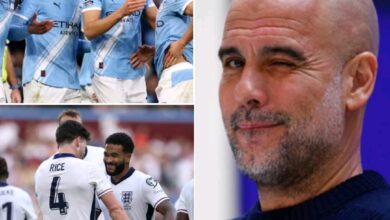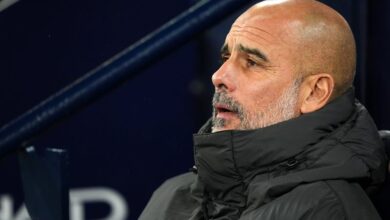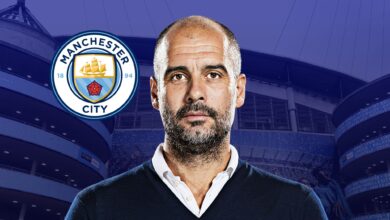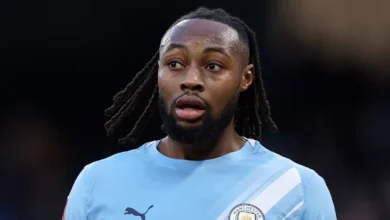
Pep Guardiola has once again shown why managing goalkeepers is one of the most delicate jobs in football, as he openly admitted that Manchester City could one day allow James Trafford to leave the club, even though he would personally prefer the young goalkeeper to stay for many years. Guardiola’s words were calm, honest, and careful, but they also carried a clear message that the goalkeeper position is different from any other role on the pitch. Trafford’s situation, while stable for now, remains uncertain in the long term, and the door has not been completely closed on a future exit.
James Trafford is only 22 years old, yet his career already feels like one full of twists, pressure, and big decisions. He returned to Manchester City from Burnley in the summer with hope, ambition, and belief that this time he could establish himself as the club’s number one goalkeeper. His early signs were positive, as he started the first three games of the season and showed confidence between the posts. For a young goalkeeper trying to prove himself at one of the biggest clubs in the world, those matches meant everything. They were a sign of trust, a reward for patience, and possibly the beginning of a long-term role at the Etihad Stadium.
However, football can change in seconds, and City’s decision to sign Italy international Gianluigi Donnarumma from Paris Saint-Germain on transfer deadline day changed Trafford’s situation immediately. Donnarumma arrived with experience, trophies, and a reputation as one of the best goalkeepers in world football. The moment his signing was confirmed, it became clear that Trafford’s role would change. No matter how talented a young goalkeeper is, competing directly with a proven international star is one of the hardest challenges in football.
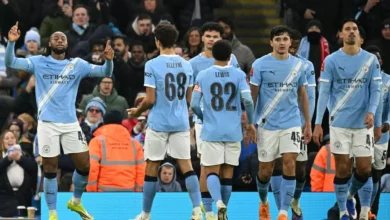
Since Donnarumma’s arrival, Trafford has found himself pushed into the number two position. His chances in the league have disappeared, and his appearances have been limited to cup competitions. He did feature in Manchester City’s stunning 10-1 victory over Exeter City in the FA Cup, a game that allowed him to show his ability and remind everyone that his quality has not disappeared. He will also start the first leg of the Carabao Cup semi-final against Newcastle, a match that carries pressure, spotlight, and importance. These games matter, but they are still not the regular football that young goalkeepers need to truly develop.
Guardiola spoke openly about Trafford’s reaction to Donnarumma’s signing, and his words were filled with respect. He explained that Trafford handled the situation in a professional and mature way, showing no complaints or negative attitude. Guardiola made it clear that he has no doubts about Trafford’s quality and believes he is a top goalkeeper. At the same time, he acknowledged that goalkeepers live in a unique football reality. Unlike outfield players, where rotation is common and minutes can be shared, goalkeepers usually face an all-or-nothing situation. One plays, the other waits, and that waiting can feel endless.
Related Posts:


When asked directly whether Trafford could be allowed to leave in January, Guardiola was firm in his short-term answer. He said no, stressing that he would like Trafford to stay at Manchester City for many years. Yet, even in that response, there was an understanding that the future cannot be fully controlled. Guardiola repeated that the goalkeeper position is special and suggested that the club would assess the situation over time. It was not a promise of a permanent future, but rather a recognition that careers evolve and decisions may be needed.
Trafford’s story is made even more interesting by the fact that he turned down a move to Newcastle United in the summer. That decision was significant. Newcastle were offering him a chance to play regular Premier League football, compete strongly, and potentially push himself closer to England’s number one shirt. A move to St James’ Park could have increased his chances of challenging Jordan Pickford for a place in the England team, especially with regular starts and high-profile matches. Instead, Trafford chose loyalty, patience, and belief in his future at Manchester City.
Newcastle manager Eddie Howe has always spoken highly of Trafford, and his comments after the recent developments showed nothing but respect. Howe described Trafford as a very good goalkeeper and admitted he is a big fan of his ability. He also pointed out that Manchester City are in a very strong position with their goalkeepers, praising both Trafford and Donnarumma. Howe made it clear that he does not view Trafford’s situation with regret or bitterness. Instead, he wished him well and said Newcastle would look forward to facing him if he plays.
This entire situation highlights the emotional and professional struggle that goalkeepers face at elite clubs. For Trafford, every training session becomes a test of patience. Every cup match becomes an audition. Every rumour becomes a reminder that time is passing. Guardiola understands this reality better than most managers. He knows that keeping a young goalkeeper happy while limiting his game time is extremely difficult, especially when that goalkeeper has ambitions beyond sitting on the bench.
Manchester City’s environment is built on competition and excellence. Guardiola demands perfection, discipline, and mental strength. Trafford’s ability to remain calm and professional during this period shows that he possesses more than just shot-stopping skills. It shows character, maturity, and resilience. These qualities matter deeply to Guardiola, who values mentality as much as technical ability.
The presence of Donnarumma has changed the balance, but it has not erased Trafford’s value. City see him as a long-term asset, whether as a future starter or as a goalkeeper whose development must be protected. Guardiola’s comments suggest that the club wants Trafford to grow, but not at the cost of his confidence or career. This is where the dilemma lies. Stay and wait, or leave and play. Both paths carry risk.
For Trafford, England ambitions also sit quietly in the background. Jordan Pickford remains the established number one, but football history has shown that international places can change quickly. Injuries, loss of form, or tactical shifts can open doors. For a young goalkeeper, playing every week is often the strongest argument to national team coaches. Trafford knows this, and it likely weighs heavily on his mind as he plans the next steps of his career.
Guardiola’s honesty has created clarity but also uncertainty. He did not shut the door completely, nor did he push Trafford toward the exit. Instead, he acknowledged the reality of the situation and left space for future decisions. This approach reflects Guardiola’s broader management style. He respects players as individuals, understands their ambitions, and avoids making promises he cannot keep
As the season continues, Trafford’s performances in cup matches will be closely watched. Every save, every command of the box, and every moment of composure will add to the conversation about his future. Manchester City fans see his talent, and many believe he could one day become the club’s long-term goalkeeper. Others accept that the modern football world rarely allows patience to stretch over many seasons.
For now, Trafford remains a Manchester City player, trusted enough to start important cup games and respected enough to be spoken about with honesty and care by one of the world’s best managers. His story is not one of failure or rejection, but one of timing, competition, and difficult choices. Guardiola’s words have confirmed that the situation remains open, flexible, and dependent on how events unfold.
The coming months will be crucial. Trafford will continue to train, wait, and perform when called upon. Guardiola will continue to balance squad harmony with competitive demands. And the football world will continue to speculate, analyse, and debate what the best path forward might be. Whether Trafford stays for many years or eventually seeks a new challenge elsewhere, his journey at Manchester City is shaping him into a stronger goalkeeper and a more complete professional.
In football, especially at the highest level, certainty is rare. What exists instead are moments, decisions, and opportunities. For James Trafford, the next opportunity is just one game away, and how he takes it could define the direction of his career. Guardiola knows this, Trafford knows this, and that shared understanding is why the situation remains calm, respectful, and open, rather than rushed or forced.