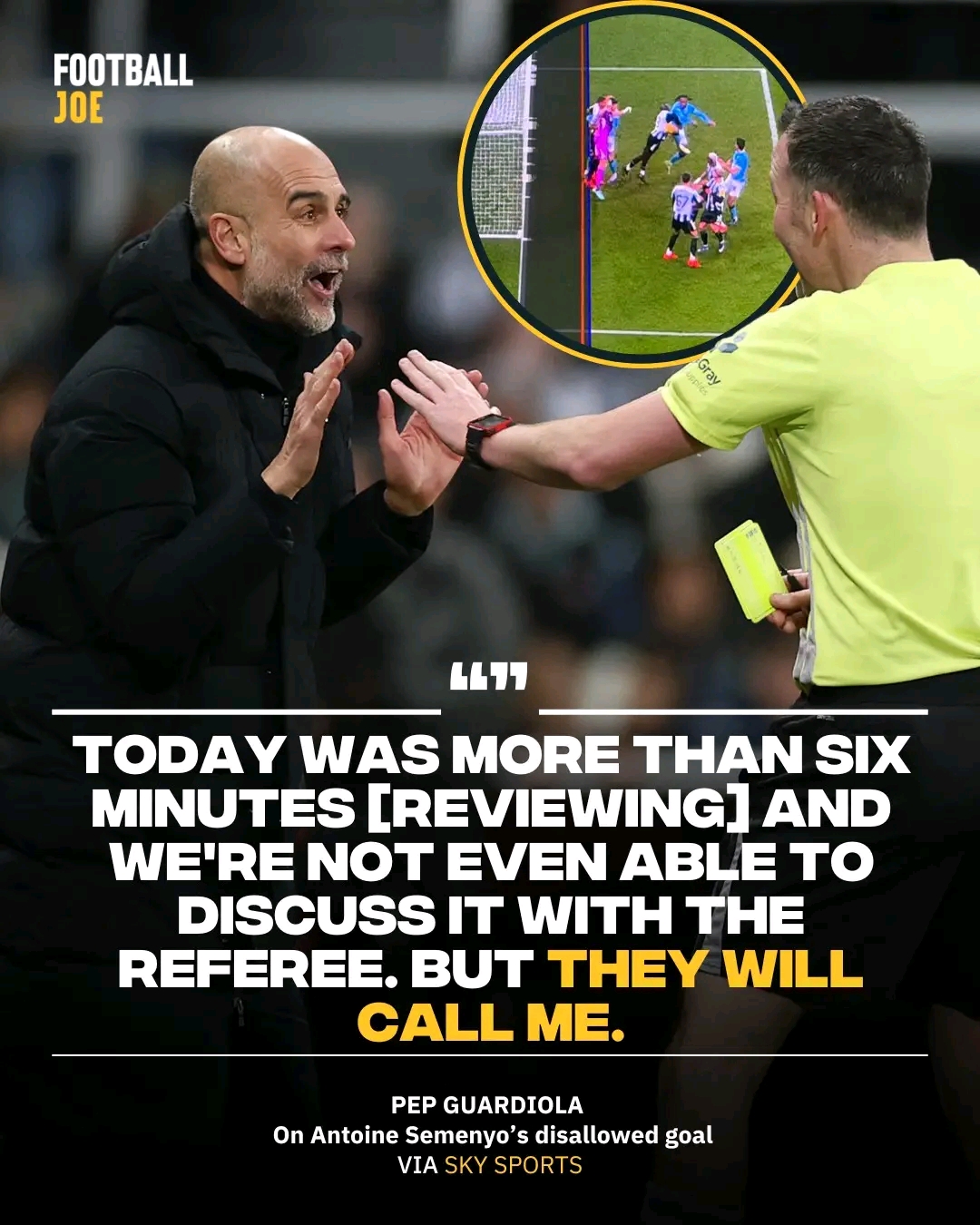
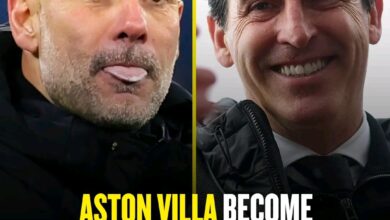
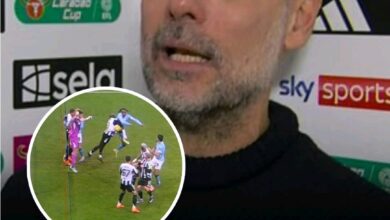
Pep Guardiola did not hold back from criticising VAR officiating last night 😬 The Man City boss said: “I’d like to know why VAR in the 60th minute of the Premier League game against Newcastle – that we lost 2-1 – it was 0-0 and it was a penalty for [Fabian] Schar on Phil Foden, not even consideration. “In the 20th minute there is an unbelievable penalty
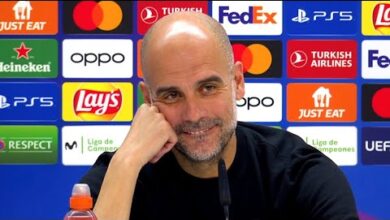
Pep Guardiola did not try to hide his anger after Manchester City’s latest match, and by the end of the night his frustration with VAR and Premier League officiating had turned into one of the most explosive rants of his time in England. The City manager, usually careful with his words even when unhappy, spoke with raw emotion, disbelief, and visible irritation as he questioned decisions that he feels directly changed the outcome of a crucial league game. For Guardiola, this was not just about one match, one referee, or one mistake. In his mind, it was about consistency, fairness, and the growing sense that VAR, which was introduced to help football, is instead creating more confusion and anger.
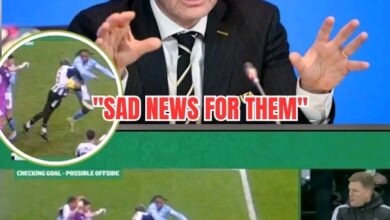
Guardiola’s comments focused on Manchester City’s 2-1 defeat to Newcastle, a game that still clearly bothered him deeply. He explained that at a key moment in the match, when the score was still 0-0, City were denied what he believed was a clear penalty. Phil Foden, one of City’s most dangerous attacking players, went down in the box after a challenge from Fabian Schar. Guardiola was convinced it was a foul. More than that, he was stunned that VAR did not even seem to seriously look at the incident.
“I’d like to know why VAR in the 60th minute of the Premier League game against Newcastle, that we lost 2-1, it was 0-0 and it was a penalty for Schar on Phil Foden,” Guardiola said. “Not even consideration.”
Those words, “not even consideration,” carried a lot of weight. Guardiola was not just saying the referee made a mistake. He was saying the system itself failed to do its job. VAR is meant to review these moments, slow them down, look at different angles, and help referees correct errors. In this case, Guardiola felt it didn’t even try. For a manager who spends hours analysing matches in detail, the idea that such a big moment could be ignored was almost impossible to accept.
He then pointed to another incident earlier in the game, one that he described as “unbelievable.” In the 20th minute, Jeremy Doku took a shot that hit a Newcastle player’s hand inside the box. Guardiola was sure it should have been a penalty. Once again, he said, VAR did not intervene.
“In the 20th minute there is an unbelievable penalty for the shot for Jeremy Doku off the hand, and not even VAR,” he added.
To Guardiola, these were not small, debatable moments. He clearly felt they were obvious decisions that should have been corrected with the help of technology. The fact that neither incident resulted in a penalty, or even a serious VAR review, made him question the entire process.
Guardiola then made a comment that quickly spread across social media and football news outlets. Half-joking, half-serious, he said he expected a call from Howard Webb, the chief of referees in English football.
“I’m pretty sure Howard Webb is going to call me tomorrow to take explanations for that,” Guardiola said.
That line summed up the strange relationship between managers and referees in the modern game. Guardiola knows that speaking openly about officiating can lead to private conversations, warnings, or even fines. But on this night, he seemed past the point of worrying about consequences. His frustration was too strong to keep inside.
To understand why Guardiola reacted this way, it helps to look at the bigger picture. Manchester City are used to being dominant. They control possession, create chances, and often overwhelm opponents. But when games are tight, small decisions can make a huge difference. A penalty at 0-0 can completely change the flow of a match. Instead of chasing the game, City could be leading. The opponent’s game plan changes. Confidence shifts. Momentum swings.
Guardiola has always believed that football is a game of details. Tiny moments decide titles, trophies, and seasons. That is why he obsesses over positioning, passing angles, and pressing triggers. For him, refereeing decisions are also part of those details. When he feels they are wrong, especially repeatedly, it strikes at the heart of his football philosophy.
VAR was introduced with the promise of fairness. The idea was simple: reduce clear and obvious errors. Help referees. Protect players. Make the game more just. But in Guardiola’s eyes, and in the eyes of many fans and managers, VAR has not lived up to that promise. Instead, it has created new controversies.
One of the biggest complaints about VAR is inconsistency. Some handballs are given as penalties, others are not. Some fouls are reviewed for minutes, others are ignored. Some offsides are measured down to millimetres, while other decisions are waved away. Guardiola’s anger came from this lack of consistency. If one team gets a penalty for a similar incident, why doesn’t another?
From his perspective, Manchester City were punished not just by Newcastle’s performance, but by decisions that went against them. And when City lose, it is never just one reason. Guardiola knows his team could have played better. He often criticises his own players before blaming referees. But in this case, he clearly felt the officials had too much influence
The reaction from fans was immediate and divided. Manchester City supporters largely agreed with Guardiola. Many shared clips of the incidents online, slowing them down, zooming in, and pointing out what they believed were clear fouls and handballs. They argued that if those moments had happened at the other end of the pitch, City might have conceded penalties.
Rival fans, however, were less sympathetic. Some accused Guardiola of making excuses. Others pointed out matches in the past where City benefited from controversial decisions. Football fans have long memories, and VAR debates rarely produce agreement.
Still, even neutral observers admitted that Guardiola raised important questions. VAR decisions often feel mysterious. Fans in the stadium do not hear the conversations between referees. Managers do not know why something was checked or not checked. Even television viewers are sometimes left confused.
Guardiola’s comments highlighted this lack of transparency. When he says “not even consideration,” he is really asking: what is VAR doing? If it is not reviewing these moments, what is its purpose?
The Premier League has tried to improve communication in recent seasons, but criticism remains. Managers like Guardiola, Jurgen Klopp, and Mikel Arteta have all spoken out about refereeing and VAR at different times. Some have been fined. Some have apologised. Others have doubled down on their view
Guardiola himself has a complicated history with referees. Over the years, he has praised officials when he felt they did a good job, and criticised them when he felt they did not. He is not someone who complains every week. That is why his words carried extra weight. When Guardiola explodes, people listen.
There is also the pressure of the title race. Manchester City are used to chasing perfection. Dropped points can be costly, especially with rivals pushing hard. Every decision feels bigger. Every mistake feels heavier. In that context, Guardiola’s anger becomes more understandable.
The mention of Howard Webb was also significant. Webb, a former top referee himself, is now responsible for improving standards and communication. Managers know that public criticism often leads to private discussions. Guardiola seemed to accept that reality, almost sarcastically, when he said Webb would call him.
What makes this situation even more interesting is Guardiola’s general respect for referees as humans. He has often said that referees have a difficult job and that mistakes are part of football. But VAR was meant to reduce those mistakes. When it fails, the frustration is doubled.
For players like Phil Foden and Jeremy Doku, these moments are also important. Foden has developed into one of City’s key attackers, constantly running at defenders and drawing fouls. When he feels he has been unfairly treated, it affects his confidence. Doku, still adapting to the Premier League, relies on referees to protect skilful wingers from rough challenges. When decisions go against them, it sends a message.
Guardiola’s rant was not just about one game. It was about the direction football is going. Technology was supposed to help the sport. Instead, it often feels like it adds more tension. Managers now have to control their emotions not just about goals and tactics, but about screens, lines, and delays.
The Premier League will almost certainly review the incidents. They may release a statement. They may explain the decisions. Or they may say nothing, which often fuels more anger. Guardiola will move on, because that is what managers must do. The next game always comes quickly.
But his words will not be forgotten. They will be replayed, quoted, and debated. They will be used as evidence by those who believe VAR needs serious reform. And they will remind everyone that even the most successful managers in the world can feel powerless when decisions go against them.
In the end, Guardiola’s outburst showed his passion. It showed how deeply he cares about fairness and competition. It also showed the ongoing tension between football’s human side and its technological side. Until VAR becomes clearer, more consistent, and more transparent, these arguments will continue.For one night, after a painful defeat, Pep Guardiola spoke for many managers, players, and fans when he questioned whether VAR is truly doing the job it was created to do.