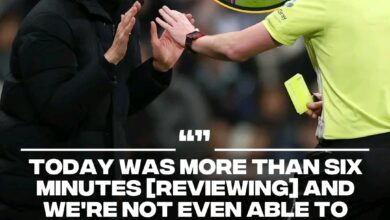
VERY SAD news has shaken Manchester City and the entire football world after events that unfolded around the Club World Cup and the January transfer window left fans emotional, confused, and heartbroken. What was meant to be a season of dominance and control has slowly turned into a painful journey filled with injuries, poor form, uncertainty, and raw emotion. At the center of it all is Pep Guardiola, a manager known for his calm intelligence and tactical genius, but now a man pushed to the edge by circumstances he cannot control.
The story begins with Manchester City’s summer plans. Long before the Club World Cup, Pep Guardiola and the City recruitment team had identified a special player as a key summer target. This player was seen as a future leader, someone who could fit perfectly into Guardiola’s demanding system and possibly become a pillar of the team for many years. Scouts watched him closely, analysts praised his intelligence, and the coaching staff believed he could make an instant impact. Everything seemed to be aligning perfectly, until football once again showed its cruel side
During a high-intensity Club World Cup match, disaster struck. In a moment that silenced the stadium and sent shockwaves through both clubs, City’s summer target went down after a heavy challenge. At first, it looked like a normal injury. Players gathered around, medical staff rushed in, and fans waited anxiously. But as the minutes passed and the player failed to stand up, the mood changed. Replays showed the seriousness of the incident, and fear spread quickly across social media and the football community.
Later that night, the worst fears were confirmed. The injury was not just serious, it was career ending. Doctors revealed that the damage was so severe that returning to top-level football would be almost impossible. For a player who was just entering his prime, whose dreams included playing under Pep Guardiola and competing for the biggest trophies in the world, it was a devastating blow. Careers in football are short, but to have it taken away in a single moment is heartbreaking beyond words.
Pep Guardiola, known for his emotional connection to his players, could not hide his pain. Reports from inside the camp revealed that he broke down in tears when he received the full medical report. This was not just about losing a transfer target. It was about losing a human being’s dream, a young footballer’s future, and a story that would never be written. Guardiola spoke privately about how unfair football can be, and those close to him said the moment deeply affected him.
As Manchester City tried to process this tragedy, they were already dealing with another major problem. The team’s form had collapsed. For a club used to winning, controlling games, and dominating opponents, the recent run was shocking. Just one win in thirteen games painted a picture no one expected to see. Confidence was gone, mistakes were everywhere, and even experienced players looked lost. The dressing room felt heavy, and the pressure from fans and media continued to grow.
Manchester City were not just losing games, they were losing their identity. The sharp passing, the calm control, the ruthless finishing, all seemed to disappear. Players who once looked unstoppable now looked unsure. Leaders were quiet. Young players were struggling. The absence of balance in midfield became painfully obvious, especially with Rodri unavailable. His importance to the team was suddenly understood by everyone. Without him, City looked fragile, exposed, and disconnected.
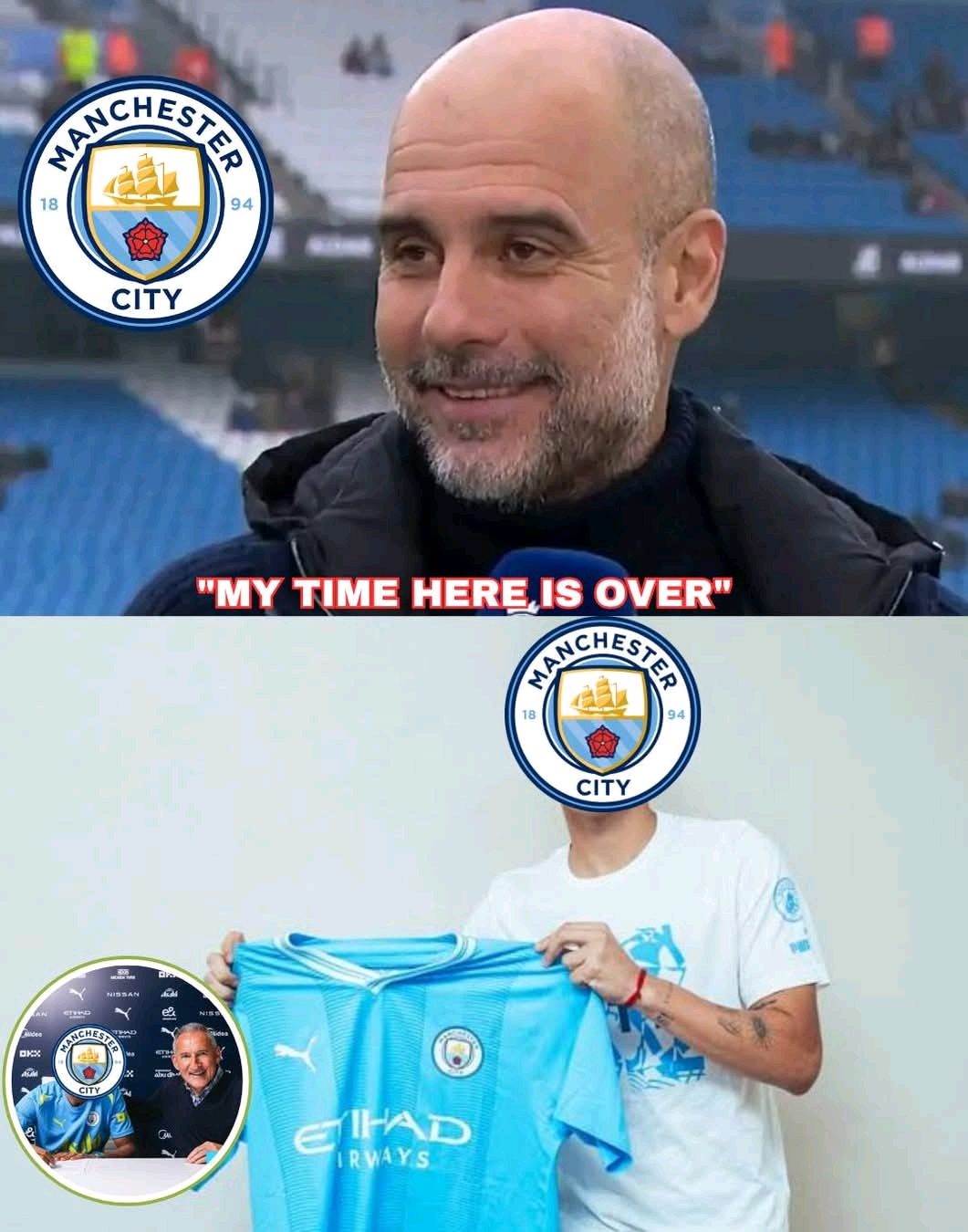
Pep Guardiola knew something had to change, and quickly. Waiting until the summer was not an option. The January transfer window became a lifeline, a chance to fix at least part of the problem and restore belief. Guardiola made a bold decision and announced the club’s first signing of the January window earlier than expected. This player, he said, would be the perfect replacement for Rodri, someone capable of bringing control, discipline, and intelligence back into the midfield.
The announcement brought mixed reactions. Some fans were relieved that action was finally being taken. Others were skeptical, wondering if one signing could really solve such deep problems. But Guardiola believed in this move. He spoke about the player’s understanding of space, his ability to read the game, and his mental strength. In Guardiola’s eyes, this was not just a replacement, but a reset, a chance to rebuild the team’s structure from the center outward
At the same time, attention turned to Phil Foden. In a season filled with disappointment, Foden became a symbol of hope. Against Everton on Boxing Day, he was one of the few players who showed fight, creativity, and courage. While the team struggled, Foden demanded the ball, tried to make things happen, and reminded everyone of his quality. His performance was not perfect, but it was full of intent, and sometimes that matters more.
Foden’s importance to Manchester City cannot be overstated. Last season, he was instrumental in their title-winning campaign. His movement, vision, and ability to score crucial goals made him one of the most dangerous players in the league. This season, his struggles mirrored the team’s decline. When he was quiet, City were flat. When he struggled, the team struggled with him. It became clear that his form and City’s fortunes were closely linked.
Against Everton, Guardiola used Foden in a more central role, allowing him to drop deeper and influence the game. The change worked. Foden picked up the ball in tight spaces, distributed it calmly, and created several chances. One of those chances fell to Erling Haaland, a golden opportunity that somehow went begging. Still, the signs were positive. This was the Foden City needed, confident, expressive, and brave.
Guardiola saw this performance as a turning point. He spoke about Foden’s intelligence and his ability to change games when given freedom. The hope inside the club is that Foden’s resurgence can inspire others. Football is emotional, and sometimes all it takes is one player stepping up to lift an entire team. Guardiola believes Foden can be that spark, the one who brings belief back into the dressing room.
But the challenges do not end there. The emotional impact of the career-ending injury to the summer target still lingers. It serves as a reminder of how fragile football careers are and how quickly plans can fall apart. Manchester City had invested time, hope, and belief into that transfer, only for fate to intervene. For Guardiola, it was a personal blow, one that made him question the fairness of the game he loves so deeply.
The January signing, while important, also carries pressure. Stepping into a struggling team, replacing a player as influential as Rodri, and meeting the expectations of a demanding manager like Guardiola is not easy. But this is the reality of elite football. There is no time for adaptation, no space for excuses. The player must perform immediately, bring stability, and help guide City out of their crisis.
Fans are watching closely. Every touch, every pass, every decision will be analyzed. Some supporters are patient, understanding the situation and trusting Guardiola’s judgment. Others are restless, frustrated by the team’s decline and desperate for instant results. The atmosphere around the club feels tense, but also hopeful, because change has begun.
The wider football world has also taken notice. Manchester City’s struggles have become a major talking point. Rivals sense weakness. Critics question Guardiola. Pundits debate whether this is just a temporary dip or the beginning of something more serious. For a club that has dominated English football in recent years, this sudden vulnerability is shocking.
Yet within the chaos, there is still belief. Guardiola remains one of the greatest managers in the game. His track record speaks for itself. He has rebuilt teams before, overcome adversity, and found solutions when others doubted him. The tears he shed over the injured player were not a sign of weakness, but of humanity. They showed how deeply he cares, how invested he is, and how much this club means to him.
Manchester City’s season now feels like a test of character. Can they respond to tragedy, poor form, and pressure? Can leaders step up? Can young players grow? Can the January signing deliver what Guardiola believes he can? And can Phil Foden return to his best and lead by example? These questions will define the months ahead.
Football often moves quickly, but some moments leave lasting scars. The career-ending injury is one of those moments. It reminds everyone that behind the money, fame, and trophies, there are human beings chasing dreams that can disappear in an instant. Guardiola’s tears captured that reality perfectly.
As the season continues, Manchester City will try to find their rhythm again. Wins will bring relief. Good performances will restore confidence. Slowly, the pain may fade, replaced by new hope. But the memory of what was lost, both in terms of a player’s career and the team’s dominance, will remain.
This is a story of sadness, struggle, and resilience. It is about a club brought to its knees, a manager pushed to tears, and a team searching for itself. Whether Manchester City rise again or continue to fall will be decided on the pitch. But one thing is certain. This season will be remembered not just for goals and results, but for emotion, heartbreak, and the reminder that football, at its core, is deeply human.