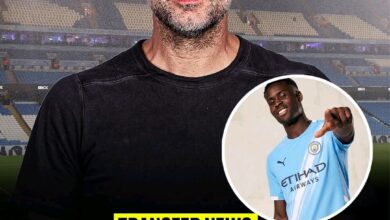
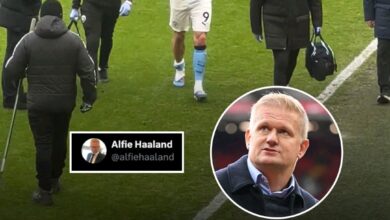
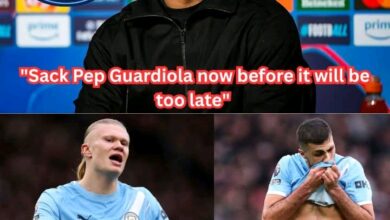
Pep Guardiola have just announced the shocking VAR Error By referees of Manchester City VS Manchester United- PGMOL under scrutiny over surprising VAR mistake made by The Referee during the Man City Vs Man United after Diogo Dalot was not Giving a RED CARD after rough Tackle and VAR check. VAR controversy shouldn’t detract from yet another sobering conceding. This has never happened before!, I think we need Artificial intelligence to take over VAR 😱 England Referees as they seems to be to always against Man City to win the league again SAID Pep Guardiola Manager.

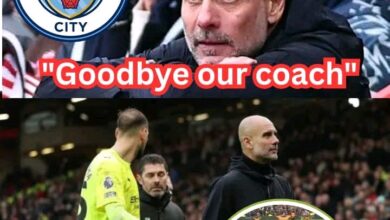
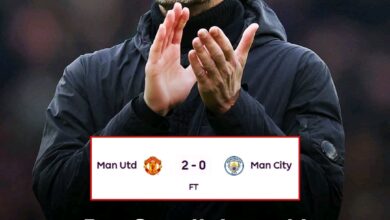
The Manchester derby is a match that always carries more meaning than three points. It is a game where history, pride, and rivalry collide in a way that makes even the most experienced players feel the weight of the moment. And on Saturday, at Old Trafford, the derby delivered yet again—not only because of the final score, but because of the shockwaves it sent through the football world. Manchester City’s 2-0 defeat to Manchester United did not just cost them a match; it threatened the future of one of the greatest managers in modern football. Pep Guardiola, the man who has won everything at City, suddenly found himself under pressure like never before. Reports began to spread that he could leave the club this week, and the idea of his replacement being already shortlisted became the hottest topic in the football world.
The game itself was tense, physical, and emotional. Manchester United, led by interim manager Michael Carrick, played with a hunger that City seemed to lack. The Red Devils knew this match was a chance to revive their season, to show the fans that they still had a team capable of fighting at the top level. Meanwhile, City came into the derby with a different kind of pressure. They were chasing Arsenal in the Premier League, and a win at Old Trafford would have put them back in the race, giving them momentum and confidence. But the reality on the pitch was very different.
In the first half, Manchester United looked sharper, more aggressive, and more focused. They created chances and tested City’s defence. Harry Maguire came close with a header that rattled the woodwork, and the crowd erupted in excitement. It was a sign that United were not just defending; they were attacking with belief. City, on the other hand, seemed nervous. Their passing was not as crisp, their movement not as fluid. For a team that has been so dominant in recent seasons, it was a rare sight to see them look uncomfortable.
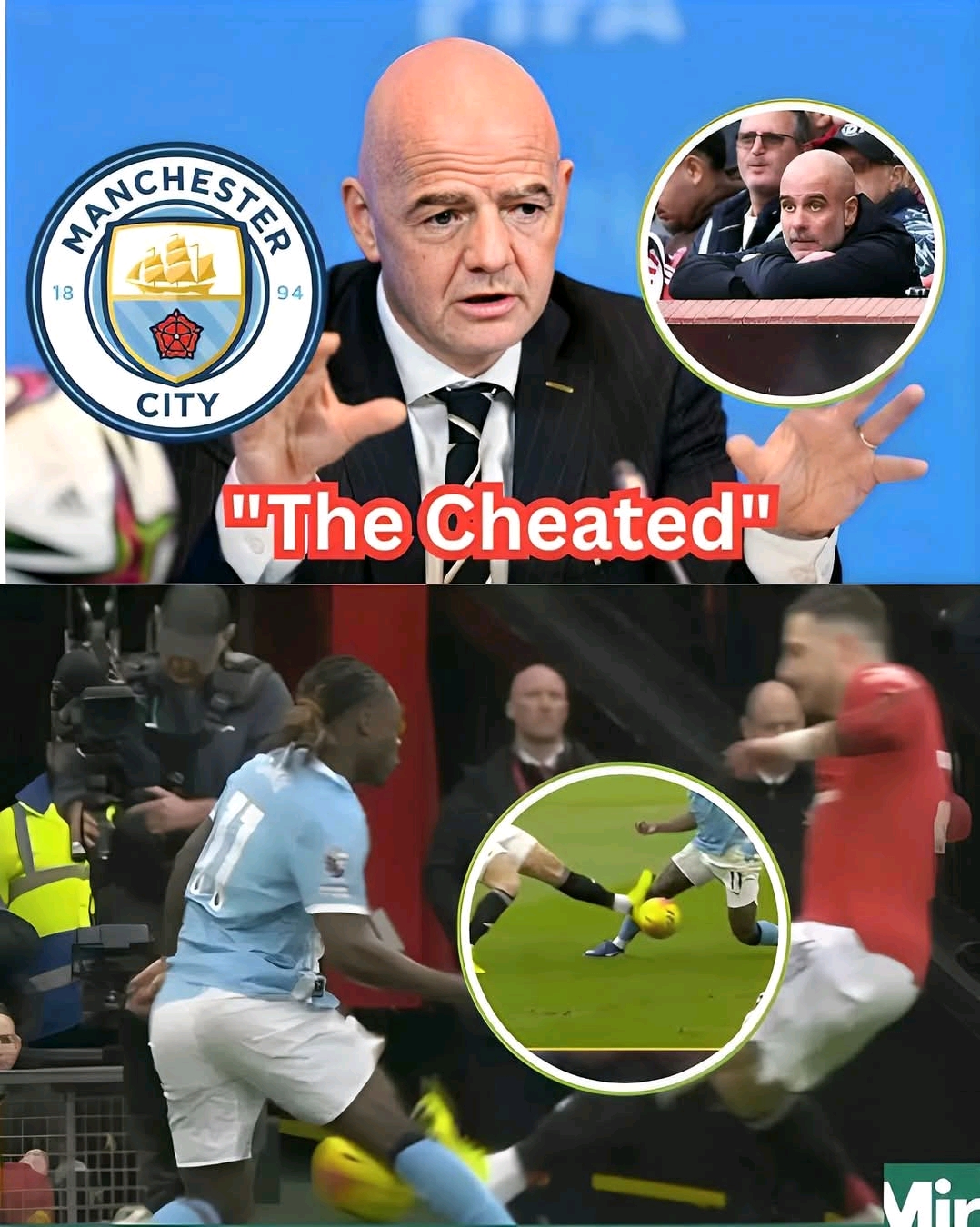
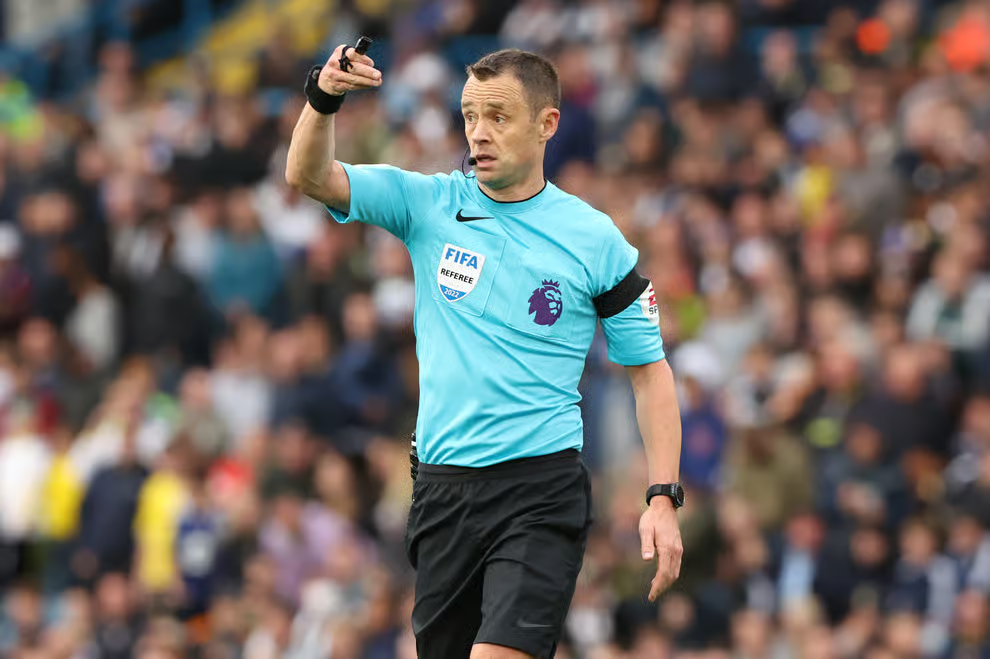
The match was not just about the goals, though. It was also about the controversial moments that often define derbies. One of the most talked-about incidents came when Manchester United defender Diogo Dalot made a challenge on City’s Jeremy Doku. The tackle looked dangerous. Dalot raised his boot and made contact with Doku’s knee area. The referee, Anthony Taylor, initially showed a yellow card, but many expected the decision to be upgraded after a VAR review. The derby had already been heated, and the challenge added fuel to the fire.
VAR officials reviewed the incident carefully. They looked at the angle, the speed, the force, and the contact. In the end, they decided not to send Dalot off. The Premier League’s match centre on X explained the decision, stating that the contact was “glancing and not with excessive force.” They said there was not enough deliberate intent to justify a red card, even though the tackle was reckless. For many City fans, that explanation did not feel satisfactory. They felt the tackle deserved more punishment, and they believed the referee had made a mistake that could have changed the course of the game.
Sky Sports pundit Gary Neville, a former United captain, expressed concern about the challenge before VAR reached its final decision. Neville said Dalot was late and that the tackle was dangerous. “Not good,” he said. “It is knee high. The ball is there and Jeremy Doku shifts it. Diogo Dalot is very late. He is clearly looking for the ball, but Doku is too quick for him.” Neville’s comments were significant because he is a respected voice in football. If even a former United player could admit the tackle looked dangerous, it showed how serious the moment was.
Related Posts:
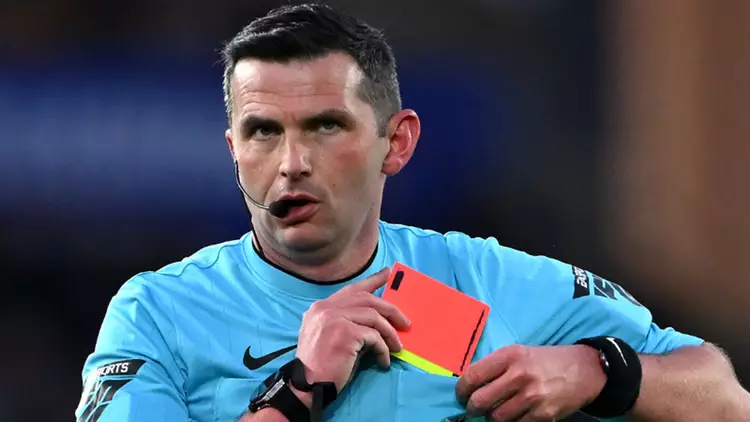

But VAR stayed with the yellow card. The decision stood. The game continued, and the tension kept building. United knew they had a chance to take advantage of the situation, and they played like a team that believed in themselves. City, however, seemed to be struggling to find the energy and creativity that has made them so successful under Guardiola.
The match carried huge importance for both clubs. United needed a win to strengthen their hopes of qualifying for Europe. City needed a win to keep pressure on Arsenal and to prove they were still the dominant force in English football. Instead, the derby ended in disappointment for City and a huge boost for United.
United’s interim manager Michael Carrick had to make important decisions about his squad. He explained his rotation choices to Gary Neville after the match, especially why players like Benjamin Sesko and Matheus Cunha started on the bench. Carrick said the team has a strong squad, and choosing the starting lineup is always difficult. He stressed that finishing games was more important than starting them, especially in modern football where fitness and freshness matter so much.
Carrick also spoke about Kobbie Mainoo, who started his first Premier League match of the season. The young midfielder has been praised for his quality and experience in high-pressure situations, including international duty. Carrick said he trusted Mainoo to handle the derby atmosphere and that the midfielder would grow from the experience. The praise showed the confidence Carrick has in his squad, and it also highlighted the way United are trying to rebuild with youth and energy.
As the match ended and the reality of the defeat sank in, the biggest story started to spread. Manchester City’s loss raised questions about Pep Guardiola’s future. Reports began to claim that Guardiola could leave the club this week. The idea sounded shocking to many fans, but it also felt like a sign of how much pressure had built up around City. When a club has dominated for years, expectations become unbearable. A single defeat can suddenly feel like the end of an era.
The rumours of Guardiola’s exit were not just speculation. They were fuelled by the way the media talked about the club’s future and by the way fans reacted online. Many City supporters have been feeling uneasy for weeks. The team’s form has been inconsistent, and the defence has suffered from injuries. Ruben Dias and Josko Gvardiol have been out, and the backline has looked vulnerable. City’s usual confidence has been replaced by uncertainty.
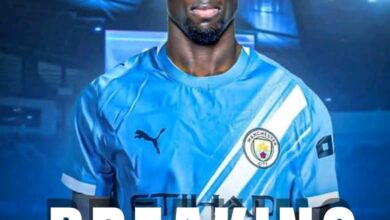
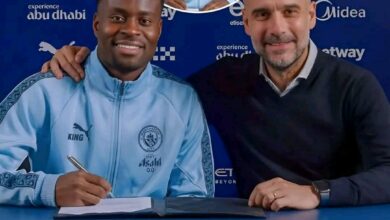
Adding to the speculation was the news that City have been linked with several major signings. The club has already signed Antoine Semenyo this month, and the Ghana international made his Premier League debut in the derby. He had scored in his first two matches for the club in cup competitions, but he could not find the same form in the league. City have also been linked with Crystal Palace captain Marc Guehi, and reports suggest they are close to finalising a deal. Guehi is seen as a strong defender who could strengthen City’s backline.
In addition, City have been linked with Barcelona’s young talent Dro Fernandez. The 18-year-old is reportedly looking to leave the Nou Camp in search of more playing time. The fact that City are pursuing such high-profile targets shows the club is still planning for the future. But it also highlights the belief that the squad needs reinforcements. The transfer activity added fuel to the idea that Guardiola might be on his way out, and that the club is preparing for a new era.
The rumours reached a new level when reports suggested that Guardiola’s replacement had already been shortlisted. The idea that City had a plan ready to replace their manager was enough to shake the entire football world. Guardiola has been the face of City’s success. He has built a team that has dominated English football and has challenged for European titles. The thought of him leaving, and being replaced, felt like a major turning point.
The club’s fans were divided. Some believed the rumours were just media hype, designed to create drama. Others felt that the time had come for a new manager, someone who could bring fresh ideas and restore City’s dominance. The idea of Guardiola leaving was not just about football. It was about identity. City have become known for their style, their possession-based football, and their dominance under Guardiola. Changing the manager would mean changing the very essence of the club.
The derby defeat also raised questions about the referee and VAR. Many City fans felt the match was affected by the officials’ decisions. The decision not to send off Dalot became a major talking point. Some felt the referee’s decision was wrong, and that VAR should have intervened. Others argued that the officials were correct and that the tackle did not meet the criteria for a red card. Regardless, the controversy added more drama to an already explosive match.
Meanwhile, the match had huge consequences in the league. City’s winless streak reached three matches, and they fell six points behind Arsenal at the top of the table. Arsenal have been strong all season, and City’s loss allowed them to strengthen their lead. United, on the other hand, moved up to seventh place. They still have work to do to reach the top four, but the win gave them hope. They were only three points behind Liverpool, and the result showed that United still have the potential to fight for European qualification.
The derby also showed how football is not just about tactics or talent. It is about belief. United played like a team with something to prove. City played like a team that had lost its confidence. The difference in mentality was clear. United’s players ran harder, fought more, and believed in every chance. City’s players looked tense and unsure. That difference made all the difference.
The match also highlighted the importance of leadership. Bruno Fernandes, as captain, showed his influence. His leadership on the pitch was crucial in helping United maintain their energy and focus. Guardiola, despite his tactical genius, struggled to inspire his players on the day. The pressure seemed to affect his team more than it affected United.
The reaction from fans and the media was intense. Social media was full of debate. Some City fans demanded answers. They wanted to know why their team had lost, why the performance was so poor, and whether Guardiola was still the right man for the job. United fans, meanwhile, celebrated like the derby had been won after years of struggle. The victory felt like a moment of redemption.
As the week began, the story continued to grow. Reports claimed that City were preparing to make a decision on Guardiola’s future. The rumours of a shortlist for his replacement kept growing. The idea that a club could already be thinking about life after Guardiola showed how quickly football can change.
The truth is, no one knows what will happen next. Guardiola is a legendary manager. He has won everything at City. He has transformed the club into a global powerhouse. But football is a ruthless sport. Success does not last forever. Even the greatest managers face moments of doubt. Guardiola has always been confident and calm, but the pressure of this season may be affecting him more than anyone realises.
For City, the next few weeks will be crucial. They need to respond. They need to show that the derby defeat was a one-off and not the beginning of a decline. They have a strong squad, talented players, and a world-class manager. But they must find the hunger and energy that have made them champions.
For United, the win will be remembered for a long time. It was a moment of hope, a sign that the club can still compete at the highest level. Carrick’s first match in charge will go down as a major success. The players will feel proud, and the fans will feel excited again.
But the biggest story remains Pep Guardiola. The rumours of his departure, the idea of a replacement being shortlisted, and the shock of a derby defeat all created a dramatic narrative that will continue to dominate headlines. If Guardiola does leave, it will mark the end of an era. If he stays, he will have to prove that he can still lead City to success.
The Manchester derby has always been a match that changes lives. On this day, it changed the future of a club. It created rumours, sparked debates, and made everyone wonder what comes next. The football world is watching, waiting, and waiting for the next chapter in the story of Manchester City and Pep Guardiola.
And as the season continues, one thing is clear: the drama is far from over.