The message was short, but it carried deep emotion. When Jesus Navas announced that he was retiring from professional football, tributes came from many corners of the game. Former teammates, fans, coaches, and journalists all shared their thoughts. But one message stood out more than the rest. It came from Pep Guardiola, the manager of Manchester City.
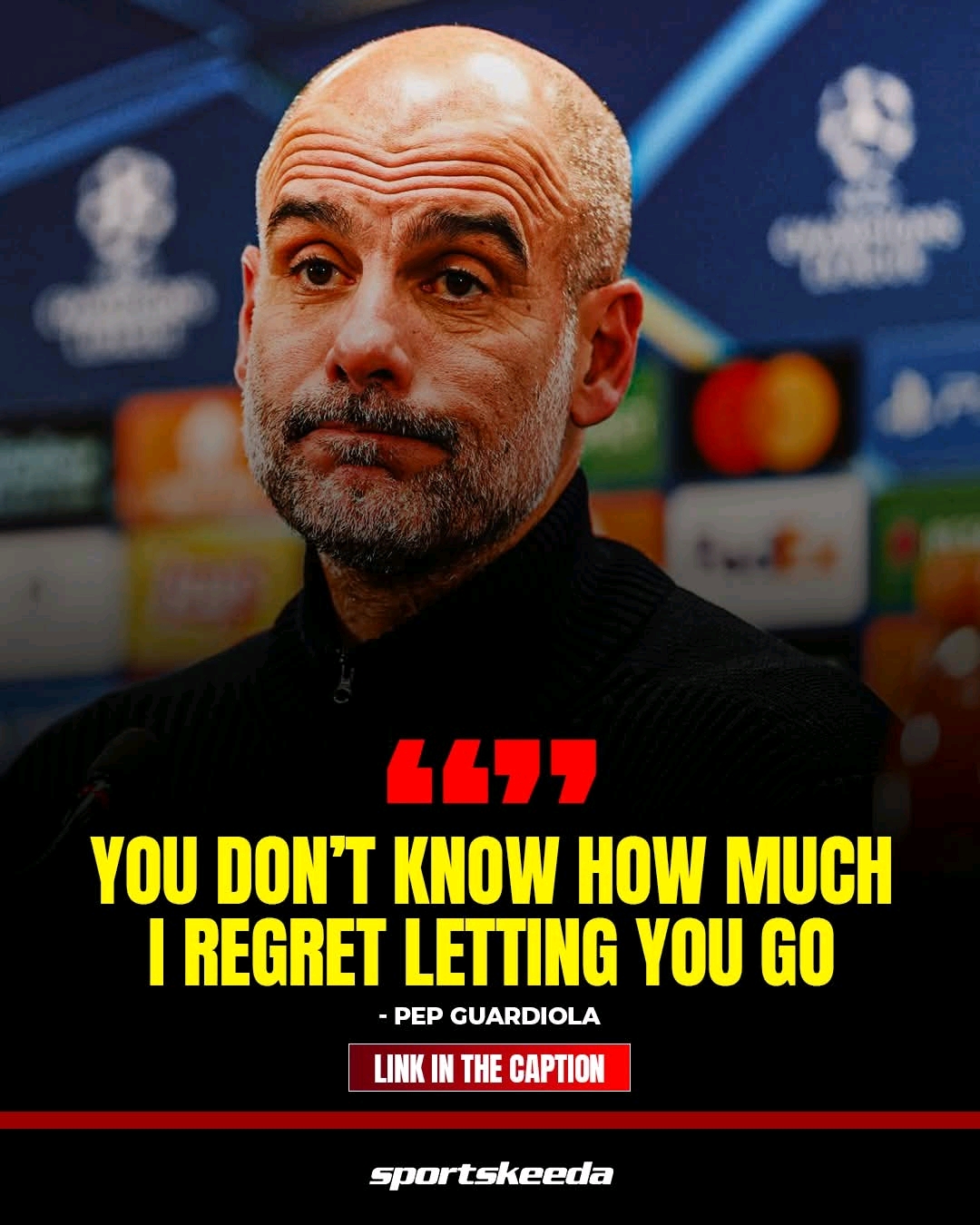
Guardiola’s words were simple but powerful. He admitted regret. He said Navas did not know how much he regretted letting him leave. For a manager who has won almost everything in club football, those words meant a lot. It is not common to hear a coach of his level openly admit that he made a mistake. But in that moment, Guardiola was not speaking as a tactical genius or as a serial winner. He was speaking as a human being.
Jesus Navas’ journey in football has always been about loyalty, speed, and heart. Many fans first knew him from his incredible years at Sevilla FC. At Sevilla, he became more than just a player. He became a symbol of the club’s identity. The word “Sevillismo” is often used to describe the deep passion and culture of Sevilla supporters, and Navas is one of the players who truly represents that spirit.
But before returning home to Spain, Navas had an important chapter in England. He joined Manchester City in 2013 during a time when the club was building something special. The Premier League was intense and fast, and Navas fit perfectly into that environment. His pace on the wing was frightening. Defenders struggled to keep up with him. He would run down the right side again and again, delivering crosses into the box and stretching opposition defenses.
During his time at City, Navas won three trophies: one Premier League title and two EFL Cups. Those successes came under manager Manuel Pellegrini. When Guardiola arrived in 2016, the team entered a new era. Guardiola had a clear football philosophy. He wanted control, intelligent positioning, and technical precision in every area of the pitch.
Navas stayed for one season under Guardiola. In that period, he played 36 games and accumulated 1,798 minutes. It was not a long partnership, but it was enough for Guardiola to appreciate him deeply. Sometimes, football relationships are not about how many years you spend together. They are about the character and professionalism a player shows every day.
When Navas decided to retire, Guardiola sent a warm message. He thanked him for the gift of spending a year together. He admitted that he would have loved him to stay longer. Then he said something that surprised many people: sometimes you make mistakes. That sentence showed humility.
In modern football, decisions are made quickly. Managers think about tactics, squad balance, finances, and long-term plans. Players move on. Clubs evolve. But looking back years later, emotions can change. Guardiola clearly feels that losing Navas was not just a normal transfer decision. It was something that left a small regret in his heart.
He also congratulated Sevilla supporters for having such an extraordinary player. He told them not to let him slip away, to keep him close for many years to come. That message was emotional because it showed respect not only for the player but also for the club and its fans.
Navas’ career after leaving Manchester City proved how important he was to Sevilla. He returned home and transformed himself. Earlier in his career, he was known mainly as a winger. But later, he adapted and became a right-back. That change showed intelligence and dedication. Not every player can change position and still perform at the highest level.
As captain of Sevilla, Navas lifted trophies and led by example. He was not the loudest player, but he worked hard and stayed humble. For young players coming through the academy, he became a role model. His loyalty to Sevilla made fans love him even more.
Meanwhile, Guardiola’s Manchester City continued to dominate English football. Over the past decade, City became the strongest team in the Premier League. They won four consecutive league titles and played some of the most beautiful football ever seen in England. Guardiola’s tactical ideas changed the league.
However, the current season has been different. City have struggled with form. Before a recent 2-0 victory over Leicester City, they had won only once in 13 matches across competitions. That run shocked many fans because City are usually consistent and ruthless.
Guardiola spoke honestly about the situation. He admitted that they were far away from winning the Premier League this season. For a manager who normally fights until the end, that statement showed realism. City are currently sixth in the table with 31 points from 19 matches. They are 14 points behind Liverpool at the top. That gap is huge in a competitive league.
Still, Guardiola reminded everyone that there are other competitions to fight for. The FA Cup remains an opportunity. The UEFA Champions League is still alive. Finishing in the top four is also important. Winning games, he said, helps rebuild confidence and momentum.
It is interesting how football can move between two emotions so quickly. On one side, there is regret and farewell as Navas retires. On the other side, there is pressure and challenge as Manchester City fight to save their season.
For Navas, retirement closes a long and beautiful chapter. From a young boy in Spain to an international star, his journey was not always easy. He faced injuries. He faced competition. He left his comfort zone to move to England. He adapted to different styles of football. And he always remained respectful.
He was also part of Spain’s golden generation at international level. Playing alongside world-class teammates, he experienced the highest level of success. Yet he never lost his humility. Even when he returned to Sevilla after his time in England, he did not behave like a superstar. He behaved like someone who simply loved his club.
Guardiola’s regret adds another layer to Navas’ story. It shows that even the best managers can look back and wish they had made a different choice. In football, hindsight is powerful. At the time, Guardiola probably believed he needed different types of players to fit his system. But years later, he remembers the professionalism, the personality, and the human qualities Navas brought to the squad.
For Manchester City fans, Navas will always be remembered as part of the club’s rise to dominance. His crosses, his speed, and his work rate were important in key seasons. For Sevilla fans, he is something even bigger. He is family. He represents identity and pride.
Football is often described as a business, and that is true. Transfers involve money, contracts, negotiations, and strategy. But moments like this remind us that football is also about emotion. It is about bonds between people.
Guardiola’s message was not long. It did not include complicated analysis or statistics. It was simple and direct. He said thank you. He said he regretted letting him go. He congratulated Sevilla supporters. And he said farewell.
In that farewell, there was admiration. There was honesty. There was humility.
As Manchester City continue to fight in the league and in Europe, Guardiola will focus on rebuilding confidence and chasing trophies. He remains one of the greatest managers of his generation. His team still has quality and ambition.
As for Jesus Navas, he leaves the pitch with his head high. His career includes domestic league titles, cup victories, European success, and international glory. More importantly, it includes respect from teammates and coaches.
Not every player receives such a personal message from a manager like Pep Guardiola. That alone shows how much Navas meant, even in a short period together.
In the end, football always moves forward. New players arrive. Legends retire. Seasons change. But certain words remain in memory.
“You don’t know how much I regret letting you go.”
Those words will stay connected to the story of Jesus Navas and Pep Guardiola. They tell a story of appreciation, reflection, and the human side of football.
And sometimes, that human side is more powerful than any trophy.