The January transfer window has once again opened the door to chaos, drama, power plays, and hard decisions, and this time the spotlight is firmly on several of the Premier League’s biggest clubs. From Manchester City quietly preparing a move that could change their defensive future, to Manchester United drawing a firm line under a painful chapter with Marcus Rashford, to West Ham facing the very real fear that one of their biggest stars could down tools to force an exit, this is a period filled with tension and uncertainty. Every club is fighting its own battle, and every decision made in the next few weeks could shape seasons, careers, and legacies.
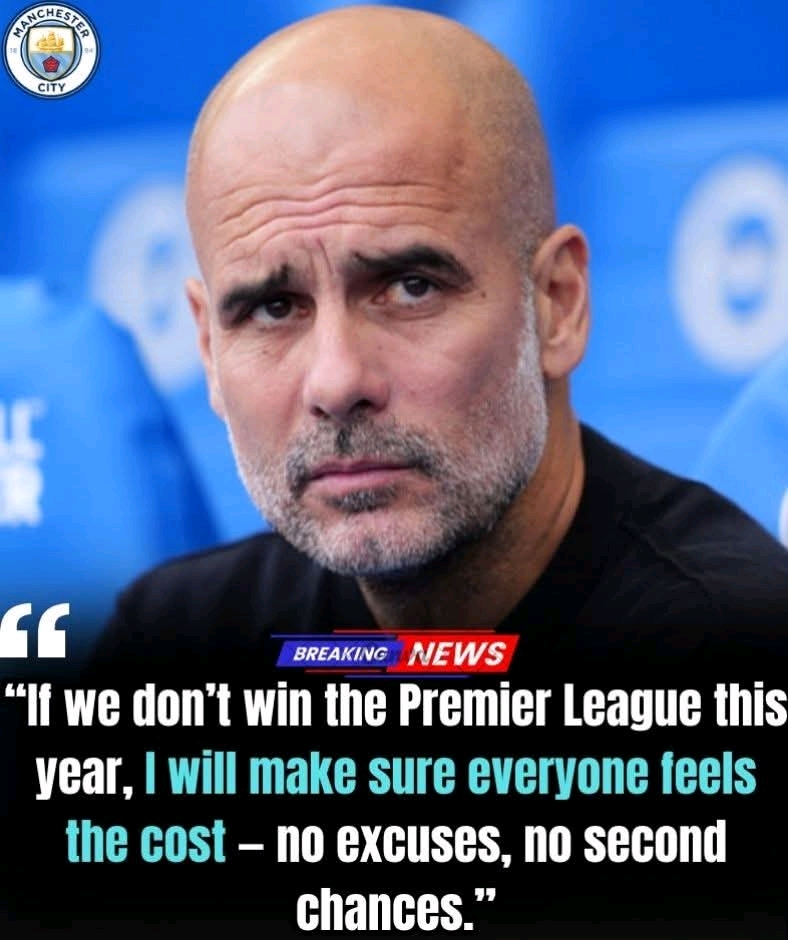
Manchester City are once again showing why they are always alert, always planning, and always ready to strike when an opportunity appears. Injuries have a way of forcing even the most dominant teams into uncomfortable positions, and City are currently feeling that pressure at the back. With Ruben Dias and Josko Gvardiol both sidelined, Pep Guardiola suddenly finds himself short of trusted centre-backs at a critical moment of the season. City are still competing on multiple fronts, and Guardiola knows better than anyone that small weaknesses can grow into fatal flaws if not addressed quickly.
That is where Marc Guehi enters the story. The Crystal Palace captain has quietly grown into one of the most reliable defenders in the Premier League. Calm on the ball, strong in the air, intelligent in his positioning, and a natural leader, Guehi has become the kind of defender every top club wants. Manchester City’s interest is no longer a rumour whispered in corridors. It is now a serious consideration, with talk of a formal bid being discussed behind the scenes. City understand the risk of waiting too long, especially with rivals circling.
Crystal Palace are realistic. They know they are likely to lose their captain when his contract expires in the summer. That reality has already been accepted internally. However, acceptance does not mean surrender. Palace have set their January asking price at over thirty five million pounds, a figure designed to make any interested club stop and think. From Palace’s point of view, losing Guehi halfway through the season could seriously damage their stability. From City’s perspective, paying that amount for a player they could potentially sign for nothing in a few months feels uncomfortable.
Yet this is where the situation becomes interesting. Manchester City are not just competing with time, they are competing with other elite clubs. Liverpool have admired Guehi for a long time. They came very close to signing him last summer, only for Palace manager Oliver Glasner to block the move on deadline day. Arsenal have also kept a close eye on the England international. If City wait too long, they risk seeing a rival step in, either now or later. Sporting director Hugo Viana understands this delicate balance and is reportedly prepared to make an offer before the window closes, even if it falls short of Palace’s full demands.
Guehi himself is in a position of strength. He is relaxed. He knows his value. He knows he can sign a pre-contract agreement with European clubs if he wishes, and he knows he will not be short of options. His reported wage demand of around two hundred thousand pounds a week reflects his status and ambition. Whether City decide to move now or wait until summer, the defender holds many of the cards, and that alone adds pressure to City’s decision-making.
While Manchester City debate their next move, Manchester United have made a decision that feels final, cold, and deeply symbolic. Despite the departure of Ruben Amorim, there will be no emotional reunion with Marcus Rashford at Old Trafford. For some United fans, this news hurts more than any defeat. Rashford is not just a player. He is a product of the academy, a local boy who once carried the hopes of the club on his shoulders. But football at the highest level is ruthless, and sentiment rarely survives for long.
Rashford’s exile from United, which saw him placed in the so-called bomb squad, was initially linked to Amorim’s doubts about his attitude and consistency. Many believed that once Amorim left, the door might reopen. That hope has now been firmly shut. Sources have made it clear that the decision to move Rashford on was not driven by one manager alone. It was backed by senior figures inside the club, including director of football Jason Wilcox and chief executive Omar Berrada. These are the men shaping United’s future, and they have no plans to reverse course.
In Spain, Rashford has found something close to freedom. His loan spell at Barcelona has revived him. He is playing with confidence, contributing on the big stage, and recently helped the club lift the Spanish Super Cup after beating Real Madrid. Barcelona have an option to sign him permanently for around twenty six million pounds, a figure that now looks increasingly attractive given his form. United fans watching from afar are left with mixed emotions, pride in seeing him succeed and pain in knowing he will likely never wear the red shirt again.
Elsewhere, Conor Gallagher’s story adds another layer of emotion to this window. His move back to England is not just a transfer, it is a personal journey. After eighteen months at Atletico Madrid, the midfielder has decided it is time to come home. Tottenham have secured his signature on a long-term deal, ending intense competition that even saw Aston Villa believing they were close to completing the deal. Unai Emery is said to be deeply frustrated, having missed out on Gallagher once again.
Gallagher’s farewell to Atletico was classy and heartfelt. Unable to say goodbye in person, he sent messages to teammates and staff, thanking them for welcoming him and helping him grow. He is especially grateful to Diego Simeone, who allowed the move to happen without bitterness. For Gallagher, this move is about ambition. With the World Cup on the horizon, he believes regular Premier League football gives him the best chance of catching the eye of England boss Thomas Tuchel. Tottenham are getting a player desperate to prove himself, hungry, and emotionally invested.
Then there is West Ham, a club staring into a potential nightmare. Lucas Paqueta was meant to be a symbol of ambition, a record signing who would push the club forward. Instead, he has become the centre of a storm. The Brazilian midfielder is desperate to return home, and his frustration has reached a dangerous level. West Ham’s decision to reject a thirty five million pound bid from Flamengo appears to have pushed him over the edge.
Paqueta’s reaction was immediate and damaging. He was left out of the FA Cup squad against QPR after responding badly to the rejection of the bid. Inside the club, fears are growing that he could effectively go on strike to force a move. Manager Nuno Espirito Santo wants to keep him, especially with the club fighting for survival, but sources suggest it is far from certain Paqueta will even feature in the upcoming London derby against Tottenham.
The midfielder has reportedly told chairman David Sullivan that he has no intention of still being a West Ham player next season. With the Brazilian transfer window open until March, the pressure is on. West Ham’s best hope may be to convince him to stay for a few more weeks and help them through a critical period. But keeping a player who no longer wants to be there is one of the hardest challenges any club can face.
All these stories are connected by the same thread. Power has shifted. Players are more aware of their value. Clubs are forced to make fast, sometimes painful decisions. Fans are left reacting, arguing, hoping, and fearing all at once. Manchester City are weighing whether to act now or later on Marc Guehi. Manchester United are closing the door on a once beloved son. Tottenham are welcoming back a determined midfielder chasing World Cup dreams. West Ham are trying to prevent a rebellion that could derail their season.
This is what the transfer window does best. It exposes cracks, creates drama, and reminds everyone that football is not just played on the pitch. It is negotiated in boardrooms, whispered about in agent meetings, and felt deeply in the hearts of players and supporters alike. As the window edges closer to its end, these stories will not fade. They will only grow louder, sharper, and more intense, until decisions are made and consequences follow.