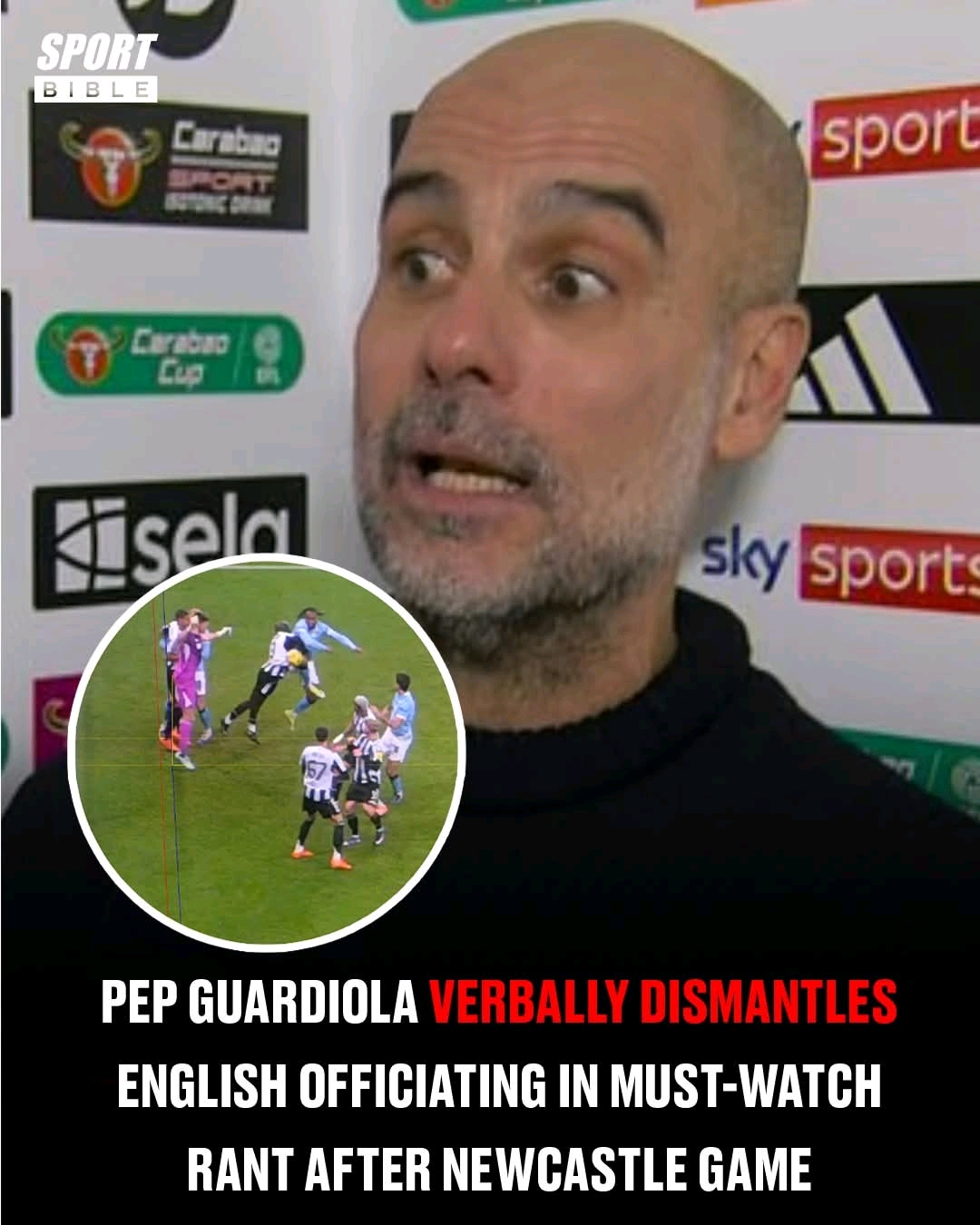
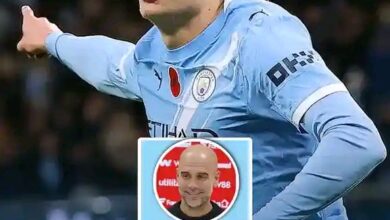
Pep might have just got himself in serious trouble and he didn’t care. The City manager was asked about the offside decision and decided to call out every official in the Premier League
Pep Guardiola, Manchester City’s manager, has never been a man to hold back his feelings, especially when it comes to football decisions he feels are wrong. And on the night of January 13, 2026, after Manchester City’s 2-0 win over Newcastle United in the Carabao Cup semi-final first leg, he let the whole world know exactly how he felt. What should have been a celebration for City’s dominant performance turned into another dramatic episode of Guardiola versus the Premier League officials—a saga that has now become almost legendary in English football circles.
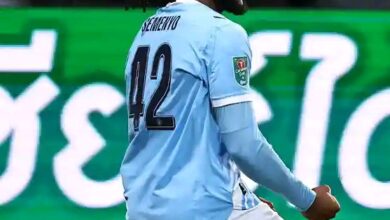
Manchester City went to St James’ Park, knowing that Newcastle would be a tough challenge. The Magpies had already beaten them earlier in the season in the Premier League, leaving Guardiola and his squad frustrated. Injuries had forced Guardiola to make changes to his starting lineup. Several first-team defenders were unavailable, and yet City approached the match with determination. They needed to avenge their earlier defeat, and they needed to send a message—not only to Newcastle but also to the league and to themselves. And they did just that, with Antoine Semenyo scoring on his debut and Rayan Cherki sealing the 2-0 win in stoppage time, giving City a comfortable advantage heading into the second leg.
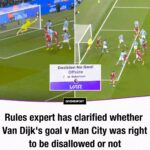
But even with victory, the evening was far from peaceful. The drama unfolded in the 68th minute when Semenyo thought he had scored his second goal. It came from a clever corner by Tijjani Reijnders, which Semenyo diverted perfectly into the net. The £64 million striker ran towards the corner flag, celebrating what seemed like a moment of brilliance. However, the goal was eventually disallowed after a long VAR check. The officials determined that Erling Haaland had been marginally offside—just ahead of Newcastle’s Malick Thiaw—and that this slight position interfered with play. The decision itself was controversial, but the way it was handled added fuel to Guardiola’s fire.
The VAR process took five minutes and 30 seconds, which is a lifetime in football. Fans, players, and pundits watched lines being drawn over and over on the pitch by Stuart Attwell as the semi-automated offside technology struggled due to the proximity of players. Guardiola, already aware of past injustices in similar situations, felt the delay and disallowance were unacceptable. In his post-match press conference, he did not mince words. He unleashed a furious rant that included references to past incidents where VAR failed to intervene, costing City crucial results.
He spoke about City’s 2-1 loss to Newcastle in November, a game filled with controversy. Guardiola recalled two “unbelievable” moments from that match. The first was a challenge on Phil Foden by Fabian Schar that should have been penalized, but VAR did nothing. The second involved a handball appeal against Malick Thiaw, which again went unpunished. Guardiola’s frustration was palpable. “Four officials and VAR were not able to take the decision, they had to go to the referee,” he told Sky Sports. “I don’t understand why in the Premier League game with Schar on Foden why VAR didn’t say anything. Then the penalty with Jeremy Doku and Thiaw. Take a look, take a look. Go to Sky and ask the analysts—shush, I didn’t finish.”
He continued, describing the absurdity of the situation: “And in the second goal, the line was really, really perfect like today, millimeters. I don’t understand but I’m pretty sure the official will call me tomorrow to explain why VAR didn’t intervene at 0-0 here [St James’ Park] in the Premier League.” Guardiola’s tone was sharp, cutting through the typical football diplomacy. He wanted answers. He wanted accountability. And he wanted the public and the league to know that this was not just about one goal or one game—it was about a pattern of inconsistencies that frustrated him and his team.
Guardiola’s reference to the FA Cup final defeat to Crystal Palace last season further highlighted his frustration. In that match, goalkeeper Dean Henderson avoided a red card for handling the ball outside the penalty area—a blatant infraction that went unnoticed by the officials. Guardiola spoke about it with the calm authority of a man who had endured injustice before. “Did you review the FA Cup final last season? When Henderson touched the ball outside the box. Did I say anything? The big clubs overcome these situations. It’s part of the game, we have to do it better. We know it is going to happen so we have to do it better.”
The message was clear. Guardiola was not merely angry about a single decision; he was pointing to what he sees as systemic problems with officiating in the Premier League. He believed the technology and the officials were failing teams when they needed it most. And he was particularly sensitive because these decisions often affected Manchester City, a club that plays at the highest level and invests heavily in every player and every tactic.
Back on the pitch, City’s performance showed why they were champions in every sense. Antoine Semenyo’s debut goal showcased his skill and composure, while Rayan Cherki’s stoppage-time strike was the perfect way to close out the game. Despite the missing defenders and the pressure of facing Newcastle at St James’ Park, City controlled the match, displayed tactical intelligence, and executed Guardiola’s instructions to perfection. The 2-0 scoreline might have been comfortable, but the underlying narrative of overcoming adversity, both on and off the pitch, made it even sweeter for City.
The media reaction to Guardiola’s rant was explosive. Pundits dissected every word, replayed the disallowed goal, and debated the VAR decision at length. Fans on social media erupted into discussions about fairness, technology, and the human element in football officiating. Guardiola’s reputation as a tactician who constantly analyzes the game was reinforced by the fact that he not only focused on City’s victory but also questioned the consistency of the refereeing system, showing that his mind never stops, even after a win.
Guardiola himself acknowledged that City were fortunate to come away with a win in that situation. “The big clubs overcome these situations. I complain today because we won,” he said. This remark was telling. It reflected both his awareness of the challenges posed by officiating and his strategic mind, knowing that complaining after a win carries less risk than after a loss. It also showed his protective attitude toward his players, wanting the public to see that they were performing under conditions that were sometimes unfair.
The timing of this rant was also significant. Manchester City were about to face Manchester United in the Premier League at Old Trafford, a match that would mark the first game under Michael Carrick’s caretaker management after Ruben Amorim was sacked. Guardiola knew that emotions, narratives, and psychological games played a huge role in such high-profile matches. By voicing his concerns publicly, he sent a message to referees, pundits, and even opponents that City would not be ignored and that every decision mattered, especially in high-stakes games
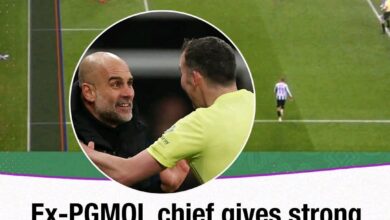
In addition to criticizing VAR and the referees, Guardiola also raised questions about the leadership and accountability within the Premier League officiating system. When asked about the issues, he replied bluntly, “Ask them. Who is the boss of the referees? Ask him [Howard Webb]. It’s the semi-finals. We play for a lot to reach the finals. It will make us stronger.” By invoking the name of PGMOL chief Howard Webb, Guardiola highlighted that the oversight of referees is supposed to be accountable at the highest level. His challenge was not only to the officials but also to the institution itself, demanding clarity, responsibility, and improvement.
Throughout his career, Guardiola has shown that he thrives in moments of tension. His experiences in Spain, Germany, and England have shaped him into a manager who does not shy away from confrontation, whether it be with the media, officials, or opponents. This incident at St James’ Park was yet another example of his relentless pursuit of fairness, precision, and excellence. It also highlighted his ability to channel frustration into motivation for his players, ensuring that the team remains focused despite external distractions.
City’s players, meanwhile, displayed professionalism and determination. Antoine Semenyo, a new signing, was immediately influential, scoring and linking play intelligently. Rayan Cherki, another rising star, demonstrated his quality under pressure, finishing decisively in stoppage time. Erling Haaland, despite being involved in the offside controversy, continued to be a constant threat, making runs, holding up play, and creating space for teammates. The collective performance suggested that Guardiola’s philosophy—possession, movement, pressing, and tactical intelligence—was fully embedded, even when the team faced disruptions and controversies.
Looking ahead, Manchester City’s journey in the Carabao Cup appears promising. The 2-0 first-leg advantage against Newcastle sets them up favorably for the second leg, with March 22, 2026, marked as the date for the final at Wembley. Guardiola, however, will not rest on this advantage. His experience tells him that football is unpredictable, and past injustices—whether through VAR errors or referee mistakes—can come back to haunt even the strongest teams. This is why his public rant is as much about protecting the integrity of the game as it is about defending City’s interests.
Guardiola’s comments also spark broader discussions about the role of VAR in modern football. The technology was introduced to reduce human error, but incidents like Semenyo’s disallowed goal show that it is still fallible, especially in tight situations where millimeters make a difference. Guardiola’s insistence on reviewing past matches where VAR failed to intervene underlines the inconsistencies that fans, players, and managers have grown increasingly concerned about. His outspokenness forces the league, the media, and the public to examine whether technology is being used to its full potential or if human judgment still dominates critical moments.
The aftermath of Guardiola’s rant is likely to be felt across the Premier League. Officials may review their protocols, analysts will revisit VAR decisions, and clubs will take note of how top managers handle perceived injustices. Guardiola, in his own way, is setting a precedent: victories are not enough; fairness, clarity, and accountability matter equally. His focus is not just on winning games but on shaping the environment in which these games are played, pushing for a standard that matches the ambitions of elite clubs like Manchester City.
As the Premier League continues, Guardiola’s words will echo in stadiums and boardrooms. His approach is both confrontational and educational, aiming to improve the system while maintaining competitive advantage. Fans and pundits will continue to debate his comments, but one thing is certain: Pep Guardiola will not accept mediocrity in officiating, and he will continue to use every platform available to highlight what he sees as errors or inconsistencies.
In conclusion, Manchester City’s 2-0 win over Newcastle in the Carabao Cup was more than just a football match. It was a stage for Pep Guardiola to make a statement, combining tactical brilliance on the pitch with outspoken criticism off it. Antoine Semenyo and Rayan Cherki’s goals gave City the result they wanted, but the disallowed second goal became the catalyst for Guardiola’s explosive rant against referees and VAR. Drawing on past incidents, questioning the league’s officiating hierarchy, and speaking with authority, Guardiola reinforced his reputation as a manager who demands excellence and fairness. This episode will be remembered not just for City’s victory but for the boldness of a manager willing to challenge the system in pursuit of justice for his team. As City prepare for the Manchester derby and continue their Carabao Cup campaign, Guardiola’s words will serve as both a warning and a rallying cry: excellence requires vigilance, and no decision—no matter how small—should go unquestioned