Phil Foden Responds as Pep Guardiola Calls His Performance vs Palace ‘Not Good’

Phil Foden’s journey at Manchester City has always been filled with expectation, pressure, and moments that define careers. From the time he first broke into the senior team as a teenage prodigy, he has been described as one of England’s most naturally gifted footballers. Every touch, every pass, every goal is judged through the lens of greatness. That is the reality of playing under Pep Guardiola at Manchester City, and it is a reality Phil Foden understands better than most.
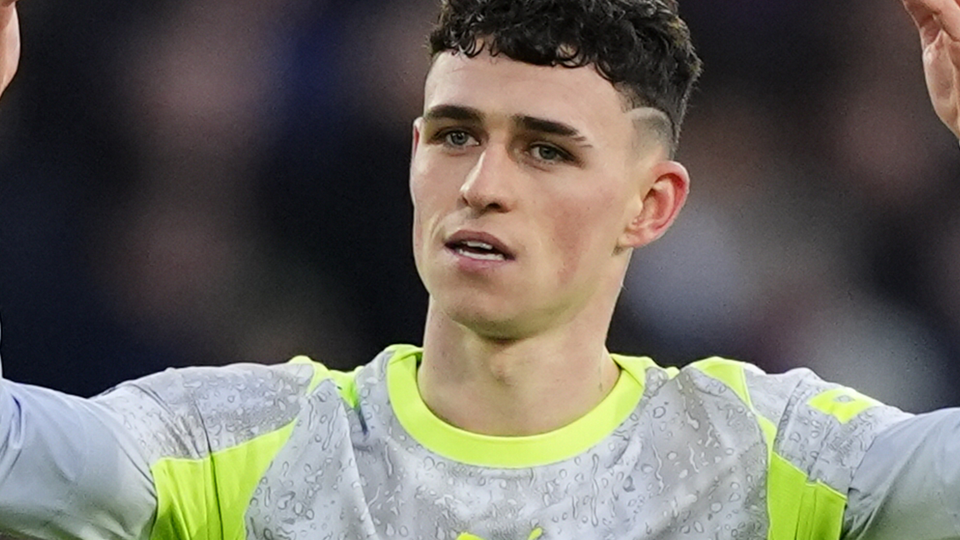
Manchester City’s 3–0 victory over Crystal Palace at Selhurst Park should have been a comfortable and positive evening. The scoreline suggested control, authority, and professionalism. Foden himself found the back of the net, scoring a low-driven goal that reminded everyone of his quality and calmness in front of goal. On paper, it looked like another strong night for a player who has rediscovered his rhythm after a difficult period.
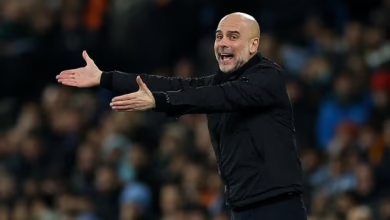
But football under Pep Guardiola is never judged by goals alone. Performances are analysed in detail, decisions are dissected, and standards remain brutally high, even in victory. That is why, despite the win and despite Foden scoring, Guardiola publicly criticised his performance after the match. The words were direct, honest, and impossible to ignore. Guardiola said Foden was “not good,” explaining that he gave the ball away too often, rushed his decisions, and played with too much anxiety.
For many players, such criticism from a manager in public could be damaging. It could create tension, defensive reactions, or even cracks in the relationship. But Phil Foden is not built that way. Instead of pushing back or making excuses, he listened, reflected, and agreed.
Foden responded calmly and maturely when asked about Guardiola’s comments. Speaking to the BBC, he did not argue or try to soften the criticism. He accepted it. He said he agreed with his manager, admitting that in both halves he lost possession too many times. He explained that he was trying to do too much, forcing moments instead of letting the game flow naturally.
He said that against a team like Crystal Palace, patience is key. Relaxation is important. Extra passes matter. Sometimes the smartest thing is not to create something spectacular, but to keep the ball moving and trust the system. These were not the words of a player hurt by criticism. They were the words of a player who understands the level he is expected to reach.
Related Posts:






Foden’s reaction says a lot about his mentality. He knows the standards he sets for himself are high. He knows Guardiola’s expectations are even higher. And he knows that being honest about shortcomings is the only way to grow. He described Guardiola’s comments as a good thing, saying that he knew he could have done much better, and that both he and his manager believe there is still more to come.
This season has been a story of resurgence for Foden. After a disappointing 2024–25 campaign, where form dipped and confidence suffered during Manchester City’s unexpected struggles, he has worked his way back into top condition. His goal against Palace took his league tally to seven goals and two assists in 14 matches, with ten goals across all competitions. These are strong numbers, especially for a player who is not a traditional striker.
His partnership with Erling Haaland has been one of the bright points in City’s campaign. Haaland continues to lead the line with his usual hunger and efficiency, and Foden’s movement, intelligence, and finishing have complemented the Norwegian perfectly. Together, they have helped keep City firmly in the title race, sitting just two points behind league leaders Arsenal.
Yet, even with form returning and goals flowing, Guardiola refuses to let standards slip. That is what separates elite teams from good ones. Guardiola wants perfection not because he is impossible to please, but because he believes his players are capable of more. Foden, as a product of City’s academy, represents everything Guardiola values: intelligence, technical quality, humility, and hunger to improve.
After the final whistle at Selhurst Park, cameras caught Guardiola placing his arm around Foden. It was a quiet moment, but a powerful one. It showed that the criticism was not personal. It was part of a process. Guardiola has always handled Foden carefully, slowly introducing him into the first team, protecting him from burnout, and teaching him the tactical demands of top-level football.
This approach has helped shape Foden into the player he is today. He is no longer just a talented youngster. He is a leader, a match-winner, and a player expected to influence big games. That expectation extends beyond Manchester City and into the international stage.
Thomas Tuchel was in the stands at Selhurst Park, watching closely. The England manager saw Foden score and saw him play a key role in City’s victory. With the World Cup approaching next summer in North America, every performance matters. Every goal counts. Every decision is being judged.
Foden has returned to form at the perfect time. After a difficult year that coincided with City’s shocking dip in performances, he now looks sharp, confident, and hungry again. His return to the England squad reflects that improvement, but earning a starting place is another challenge entirely.
Competition in England’s attacking midfield positions is fierce. Jude Bellingham has established himself as one of the team’s most important players. The Real Madrid star is widely expected to play behind Harry Kane, offering power, creativity, and goals from midfield. His performances at club and international level have set a high bar.
Morgan Rogers has also emerged as a serious contender. The Aston Villa midfielder, another graduate of Manchester City’s academy, has been outstanding this season. Villa’s surprise title challenge has brought him into the spotlight, and Tuchel has shown clear trust in him. Rogers’ consistency and impact have made him impossible to ignore.
For Foden, the path to a starting role is clear but demanding. He must not only maintain his form but refine his game further. Guardiola’s criticism highlights exactly what needs to improve: decision-making under pressure, patience in possession, and emotional control during matches
These are not weaknesses unique to Foden. They are challenges faced by all creative players who want to influence games constantly. The desire to make something happen can sometimes lead to rushed decisions. Guardiola knows this. Foden knows this. That shared understanding is what makes their relationship strong.
Foden’s humility in accepting criticism may prove to be his greatest strength. In modern football, where egos often clash with authority, his willingness to listen and learn stands out. He does not see criticism as an attack, but as guidance. That mindset is what allows players to evolve from very good to truly world-class.
Manchester City’s season is far from finished. The title race remains tight. Arsenal lead, but City are close enough to strike at any moment. With Haaland leading the attack and Foden rediscovering his rhythm, Guardiola’s side remain one of the most dangerous teams in Europe.
For Foden personally, the coming months could define his career. Continued strong performances could cement his place at City and force Thomas Tuchel’s hand ahead of the World Cup. But Guardiola’s message is clear: goals alone are not enough. Control, calmness, and consistency are required at he highest level.
Phil Foden understands that. His response to criticism shows maturity beyond his years. He knows the road to greatness is not about avoiding mistakes, but about learning from them. And under the demanding guidance of Pep Guardiola, every lesson counts.
As the season progresses, all eyes will remain on him. Supporters will judge his performances. Pundits will debate his role. Managers will analyse his decisions. But if this moment has shown anything, it is that Phil Foden is ready to face that pressure head-on.
He is listening. He is learning. And he is determined to prove that even when his manager says he was “not good,” he can turn that honesty into fuel for something even better.