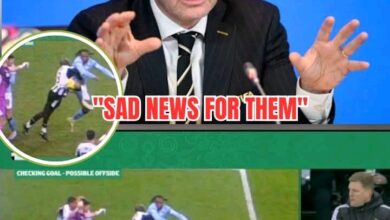
Premier League live football does not get bigger, louder, or more emotional than a day like this, when Manchester United and Manchester City step onto the same pitch with the whole football world watching, while Liverpool and Arsenal fight their own battles elsewhere, knowing that every pass, every mistake, and every goal could shape the title race, the top four race, and even the future of managers and players. From early morning, the feeling around England was tense. Fans woke up checking team news, scrolling through social media, arguing about lineups, VAR, referees, injuries, and whether today would be remembered as a turning point or just another chapter in a long, painful season for some and a glorious march for others.
At Old Trafford, the air felt heavy long before kick-off. Manchester United supporters arrived early, some hopeful, some nervous, many already angry about the season so far. The red half of Manchester wanted belief, pride, and fight. They wanted to see players willing to suffer, willing to run, willing to bleed for the badge. Across the city, Manchester City fans arrived calm and confident, used to dominance, used to control, used to winning big games with cold precision. Pep Guardiola’s side walked into the stadium like a team that expected to win, not because of arrogance, but because they had done it so many times before.
When the teams were announced, the noise grew louder. Every name was debated. Every omission caused panic or relief depending on which side you supported. For United, questions were everywhere. Could they cope with City’s midfield? Would their defence survive the constant movement of City’s attackers? Could their forwards take the rare chances they would get? For City, the questions were smaller but still important. Would they control the game as usual? Would they break United early or stay patient? Would the derby atmosphere drag them into chaos?
As the match kicked off, the tempo was fast from the first second. United pressed high, trying to disrupt City’s rhythm. City responded by slowing the game, moving the ball side to side, forcing United to chase shadows. The first ten minutes felt like a battle of wills. United tried to show bravery, City tried to show control. Every tackle was cheered, every misplaced pass was groaned at, and every referee decision was met with loud protests.
City began to dominate possession, as expected. Their midfield triangle passed the ball with ease, pulling United players out of position. United defended deep at times, with everyone behind the ball, hoping to frustrate City and hit them on the counter. The crowd reacted to every clearance like it was a goal. United fans knew their team would not have many chances, so survival felt like progress.
The first real moment of danger came when City carved United open with a quick passing move. A low cross flashed across the box, sending hearts racing, but United just about cleared their lines. Pep Guardiola stood on the touchline, shouting instructions, demanding calm, demanding patience. He knew chances would come. Across from him, United’s manager paced nervously, clapping, shouting, trying to keep belief alive.
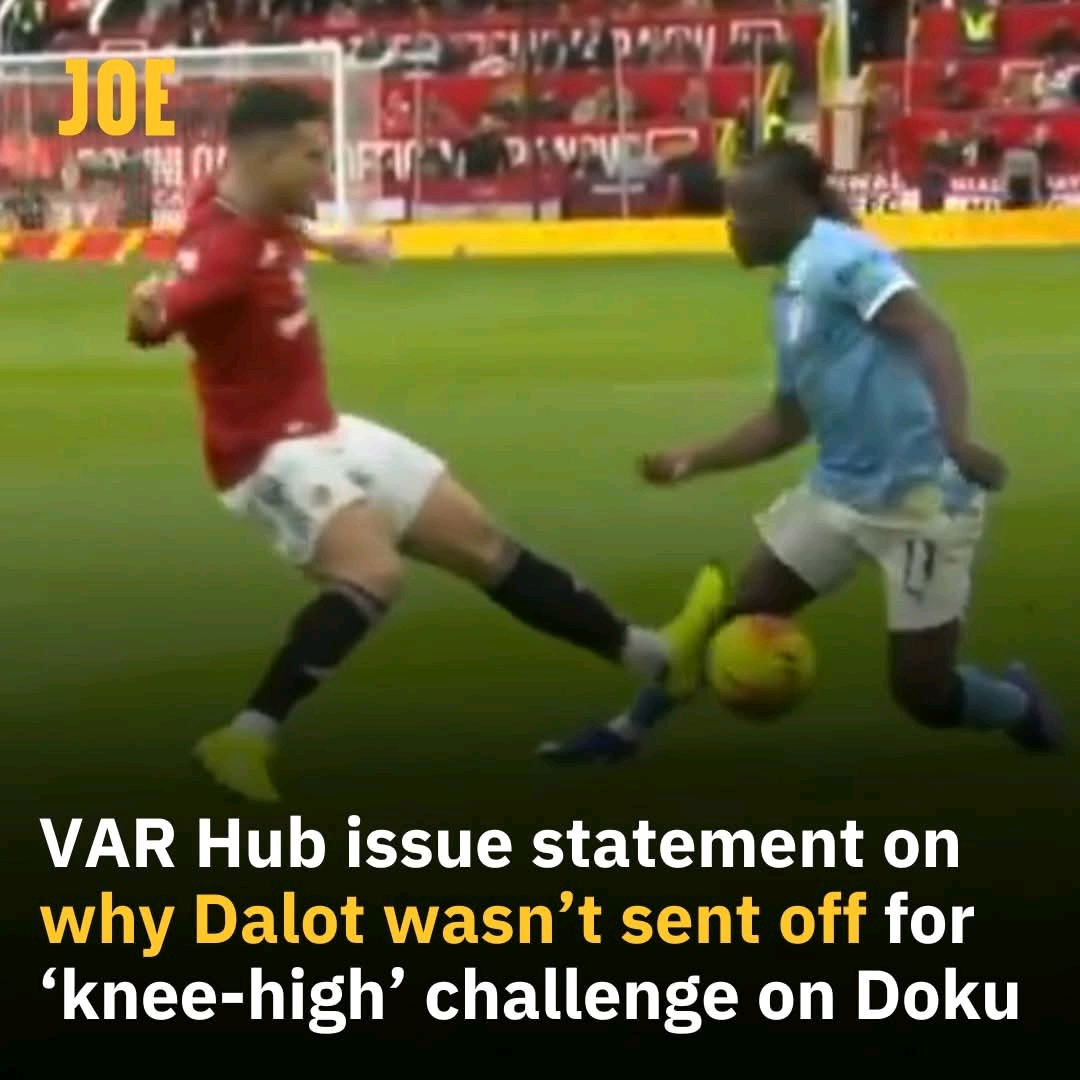
Then came controversy, as it always does in derbies. A strong challenge went in near the halfway line. City players appealed for a card. United players surrounded the referee, arguing their case. The stadium erupted. VAR was mentioned by commentators, by fans, by everyone watching. Play resumed, but the tension never dropped.
United grew into the game slowly. They started to win second balls. They forced City into a few rushed passes. A long ball forward nearly caused panic in City’s defence, and Old Trafford roared with hope. It was not pretty football, but it was emotional football, raw and desperate.
City responded by tightening their grip. They passed faster, moved sharper, and pushed United deeper and deeper. The breakthrough felt inevitable. When it came, it came with precision. A clever run, a perfectly timed pass, a calm finish. Silence swept through the home crowd, broken only by the cheers of the away fans tucked in their corner. City had done what City always do. They punished weakness.
United tried to respond immediately. They pushed forward, urged on by the crowd. A half chance fell to them, but the shot was blocked. Another cross came in, but it was easily dealt with. The belief flickered but did not die. This was a derby, after all. Logic often means nothing.
As halftime approached, the match became scrappy. Fouls increased. Tempers flared. Players exchanged words. The referee struggled to keep control. Every decision felt huge. The whistle for halftime was almost a relief for United, who needed a reset, and a frustration for City, who felt they were in control
At halftime, fans across the country switched channels to check on Liverpool and Arsenal. At Anfield, Liverpool were pushing hard, driven by the roar of their crowd. Their pressing was intense, their passing sharp, their intent clear. They knew they could not afford mistakes. Every game felt like a final. Arsenal, elsewhere, were dealing with their own pressure. Young players, big expectations, and the weight of a title challenge sat heavy on their shoulders. They needed composure, not panic.
Back at Old Trafford, the second half began with urgency from United. They pressed higher, took more risks, and left spaces behind. City welcomed this. They love space. They love teams that open up. The game stretched, becoming more open, more dangerous.
United had a moment of magic when a quick move down the wing led to a powerful shot that forced a good save. The stadium exploded. Belief surged again. Players fed off it. For a few minutes, City looked uncomfortable. Pep Guardiola reacted, shouting, gesturing, demanding more control.
City regained their composure and slowed the game once more. They passed the ball calmly, taking the sting out of United’s momentum. Another chance came, then another. United’s goalkeeper was busy, making saves that kept hope alive. Without him, the game could have been over.
As the clock ticked on, desperation crept into United’s play. Long balls replaced short passes. City defenders dealt with them calmly. On the counter, City looked dangerous every time. A second goal felt close, and when it arrived, it was devastating. A mistake, a quick punishment, and the ball was in the net again. The away end erupted. United heads dropped.
The final minutes were about damage control for United and game management for City. The chants from City fans grew louder. United fans stayed, some singing, some silent, some angry. The whistle blew, and City walked off as winners, calm and composed, while United players looked exhausted and broken.
Attention quickly shifted again to Liverpool and Arsenal. At Anfield, Liverpool found the breakthrough they needed. A goal that lifted the roof, a goal that sent belief racing through the stands. They pressed on, hungry for more, knowing goal difference could matter. Arsenal, meanwhile, faced resistance. Their opponents defended deep, frustrating them. Every missed chance increased the tension. Young players looked to the bench, searching for reassurance.
As the matches unfolded, the Premier League table began to take shape in fans’ minds. City’s win sent a message. Liverpool’s performance showed hunger. Arsenal’s game tested their nerves. The title race felt alive, unpredictable, cruel.
Pundits began their analysis immediately. They talked about mentality, about experience, about pressure. They praised City’s control and criticised United’s lack of cutting edge. They admired Liverpool’s intensity and questioned Arsenal’s maturity. Fans argued online, posting clips, screenshots, and opinions.
For Manchester United, questions returned about the future. About rebuilding. About patience. About whether this cycle would ever end. For Manchester City, the conversation was about dominance, about legacy, about whether anyone could stop them. Liverpool fans spoke about belief and destiny. Arsenal fans spoke about learning and resilience.
By the end of the day, the Premier League had delivered exactly what it always does. Drama. Emotion. Joy. Pain. Hope. Fear. It reminded everyone why this league is watched around the world, why every match matters, why football can lift you up or break your heart in ninety minutes.
As night fell, fans replayed moments in their heads. A missed chance. A bad pass. A brilliant goal. Managers prepared for the next challenge. Players iced their legs and scrolled through social media. The season marched on, relentless and unforgiving.
This was not just another Sunday of football. It was a reminder that in the Premier League, nothing stays still. Power shifts. Confidence rises and falls. Heroes are made and questioned in the same week. Manchester United versus Manchester City once again showed the gap that exists right now. Liverpool and Arsenal showed they are still fighting, still believing.
And with many games still to play, one truth remained clear. This season is far from over. Every weekend will bring new twists. Every match will write a new story. And no matter how tired, frustrated, or hopeful fans feel, they will be back again next week, because that is what football does. It pulls you back in, again and again, promising nothing but delivering everything