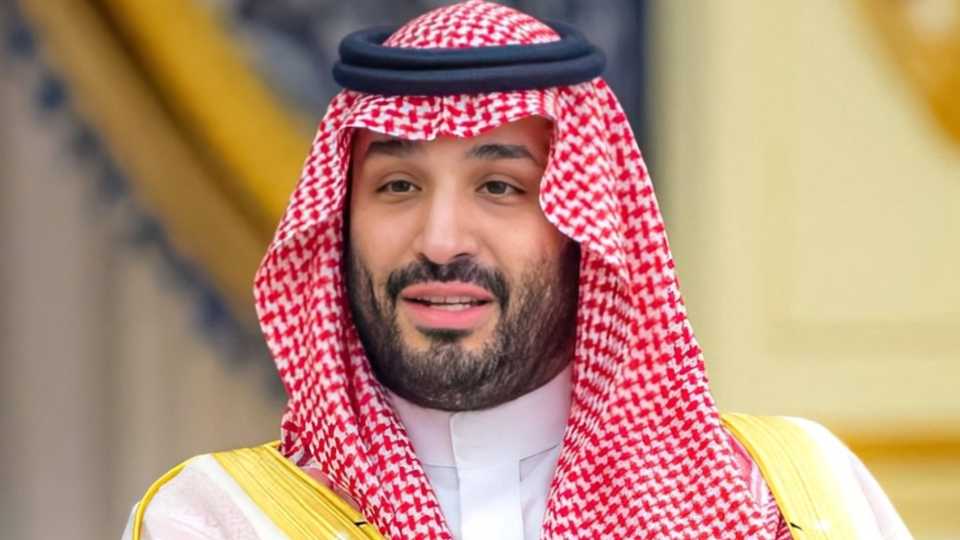
The world of football has never been short of money, power, or ambition, but every now and then a story emerges that feels so huge it sends shockwaves across the entire sport. One such story is now gathering momentum, and it involves Saudi Arabia, unimaginable wealth, and one of the biggest football clubs the world has ever known. According to growing reports from Spain, Saudi Arabian Crown Prince Mohammed bin Salman is considering an astonishing €10 billion offer to buy one of Europe’s greatest football institutions, a move that could permanently change the balance of power in world football.
Over the past few years, Saudi Arabia has become impossible to ignore in global sport. From Formula 1 to boxing, and now football, the Middle Eastern nation has made its intentions clear. It does not want to be a side player. It wants to be at the very centre of global entertainment and sporting excellence. Yet, despite the huge attention generated by Saudi-backed events and investments, football remains the final piece of the puzzle they have not fully mastered.
The Saudi Pro League has made major headlines, especially after Cristiano Ronaldo made his shock move to Al-Nassr in 2023. That transfer was not just about football. It was a statement. It told the world that Saudi Arabia was serious. Soon after, other big names followed. Karim Benzema, Sadio Mane, N’Golo Kante, and several other stars left Europe for massive contracts in Saudi Arabia. The flow of players created noise, headlines, and debate, but even with all that star power, the Saudi Pro League has struggled to earn genuine global respect.
Despite all the money, the Saudi league still finds itself hovering on the edge of global relevance rather than standing at the top. It has barely managed to creep into lists ranking the 30 best football leagues in the world. Europe and South America still dominate the game, controlling its history, prestige, and competitive standards. Saudi Arabia understands this reality, and instead of fighting against it directly, it appears to be changing strategy.
Rather than trying to build football greatness from scratch, Saudi investors are now looking toward places where football greatness already exists. They are looking at clubs with history, fanbases, trophies, and global appeal. Clubs that already sit at the heart of football culture. And now, according to Spanish reports, the Saudi Crown Prince himself may be ready to make the boldest move of all.
According to Francois Gallardo, a journalist reporting for Spanish television outlet El Chiringuito, Mohammed bin Salman is considering making a jaw-dropping €10 billion offer to take over Barcelona. Not a small club. Not a sleeping giant. But one of the most famous, decorated, and emotionally powerful clubs in football history.
Barcelona are not just a football club. They are an identity. A symbol. A cultural institution. They are known around the world not just for winning trophies, but for how they play the game, how they develop players, and how deeply they are connected to their fans. The club’s motto, “More than a club,” is not just a slogan. It is a belief system.
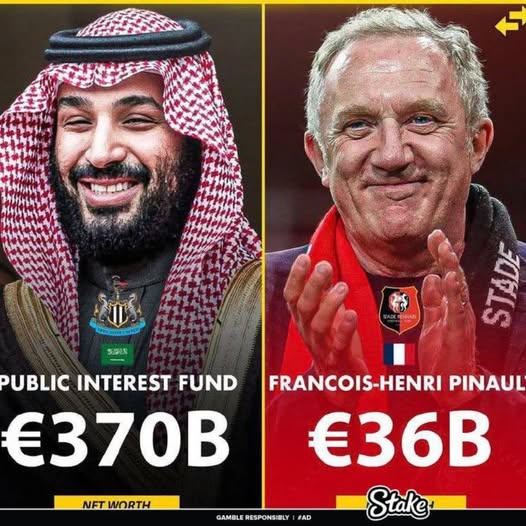
Financially, Barcelona are ranked as the third most valuable football club in the world, with an estimated value of around £4.1 billion. That is already an incredible figure by football standards. But when compared to the wealth of the Saudi Crown Prince, it suddenly feels small. Mohammed bin Salman is often estimated to be worth around £18.7 billion personally, while the wider Saudi royal family is believed to control wealth approaching £1 trillion through assets such as Saudi Aramco.
That level of money exists far beyond normal football logic. It operates in a different universe entirely. If a €10 billion offer were made, it would not just break football records. It would destroy them. No club has ever been valued at anything close to that figure. Such a deal would instantly become the biggest takeover in sports history.
Yet, Barcelona are not a normal football club, and this is where the story becomes complicated. Unlike many elite clubs that are owned by billionaires or investment groups, Barcelona are owned by their members, known as socios. These fans vote on major decisions and elect the club’s president. It is a democratic model that dates back decades and is deeply rooted in the club’s identity.
Barcelona president Joan Laporta, a man with enormous influence inside the club, is himself only worth a few million pounds. He does not control the club as an owner. He serves it. This structure has protected Barcelona’s soul for generations, but it has also limited the club’s ability to compete financially with state-backed or billionaire-owned rivals like Real Madrid, Paris Saint-Germain, and Manchester City.
While Barcelona generate massive annual revenue, among the highest in world football, their finances are far from healthy. Years of mismanagement, expensive contracts, and poor planning have left the club drowning in debt. Current estimates suggest Barcelona owe more than £2.2 billion. This debt has forced the club into painful decisions, including selling future income, limiting transfer spending, and letting key players leave.
In recent transfer windows, the damage has been obvious. In the latest summer window, Barcelona reportedly spent just £23 million in their attempt to build a Champions League-winning squad. For a club of their size and ambition, that figure is almost unthinkable. It shows how restricted they have become.
This is where the Saudi interest becomes both tempting and terrifying. If Mohammed bin Salman were to step in as Barcelona’s benefactor, the club would instantly become the richest in the world. Their debt could be wiped out overnight. Their transfer budget would explode. Their ability to attract the world’s best players would return immediately. Barcelona could once again dream of dominating Europe like they did under Pep Guardiola in the early 2010s.
However, the cost of that transformation would be enormous, not just financially, but emotionally and culturally. A full foreign takeover would challenge everything Barcelona stand for. The socios would need to approve such a change, and many would resist fiercely. The idea of a state-linked ownership, possibly involving Saudi Arabia’s Public Investment Fund, would be deeply controversial.
There is also the issue of regulation. Saudi Arabia already has significant involvement in European football through Newcastle United, who are owned by the PIF. UEFA rules, political concerns, and public scrutiny would all play a role in determining whether such a takeover could even be allowed to happen.
But football has changed. What once seemed impossible now happens regularly. Clubs that were once fan-owned are now controlled by global investors. Tradition has slowly given way to survival. Barcelona, for all their pride, are not immune to this reality. Their current financial situation has already forced them into decisions that once felt unthinkable.
The question now facing Barcelona is brutal but simple. Do they cling to their traditional structure and risk falling further behind Europe’s elite, or do they reluctantly open the door to external power in order to reclaim their place at the top?
From Saudi Arabia’s perspective, the appeal is obvious. Buying Barcelona would instantly give them legitimacy in world football. It would connect them to decades of success, legendary players, and one of the most recognisable brands in sport. It would achieve in one move what years of league investment have not fully delivered.
For Mohammed bin Salman, who serves as both prime minister and crown prince, this would not just be a football decision. It would be a geopolitical statement. A declaration that Saudi Arabia is not just influencing sport, but owning its greatest institutions.
The timing is also important. European football is under pressure. Financial Fair Play rules are tightening. Traditional revenue streams are under strain. Clubs are looking for stability in an increasingly uncertain landscape. For a club like Barcelona, which is still recovering from past mistakes, the temptation of absolute financial security may be hard to ignore.
Still, resistance would be fierce. Fans would protest. Critics would question motives. The media would scrutinise every detail. Barcelona’s identity would be debated across the world. Some would argue the club is being saved. Others would say it is being sold.
Nothing is confirmed yet. No official offer has been made. No vote has been scheduled. But the fact that such a story is being discussed seriously tells its own story. It shows how far Saudi ambition has grown, and how vulnerable even the biggest clubs have become.
If this takeover were to happen, it would not just change Barcelona. It would change football forever. It would signal the beginning of a new era where tradition bows fully to power, and where history becomes another asset to be purchased.
For now, the world watches. Fans debate. Experts speculate. And somewhere behind the scenes, decisions are being weighed that could redefine the future of the beautiful game.
One thing is certain. Football is no longer just played on the pitch. It is played in boardrooms, palaces, and power centres far removed from the roar of the crowd. And if a €10 billion bid truly does arrive, the sport may never be the same again.