The Manchester derby is always one of the biggest games in English football. When Manchester United and Manchester City meet, it is never just another match. It is about pride, history, anger, noise, and moments that stay in the memory for years. On this particular afternoon, the match ended with Manchester United walking away with a huge 2-0 victory over their neighbours. But long before the goals were scored and the celebrations began, one moment changed the mood of the entire game and set the football world on fire.
That moment came very early, and it involved Diogo Dalot, a strong challenge, a raised boot, and a decision that split opinions right down the middle.
From the first whistle, both teams looked tense. Manchester United started with energy, pressing high and trying to show they were not afraid of Pep Guardiola’s side. Manchester City, calm as always, tried to control the ball and slow the game down. Chances were rare, and when they did come, they were often stopped by the offside flag. United fans thought they had scored twice in the first half, only for both efforts to be ruled out, leaving the stadium buzzing with frustration and disbelief.
Amad Diallo thought he had embarrassed the goalkeeper after rounding him, but the flag was already up. Bruno Fernandes had a similar moment, a clean finish that would have lifted the roof, but once again it was ruled off. City escaped, but only just, and those moments gave United belief that this was their day.
But all of that was almost forgotten when the controversial tackle happened.
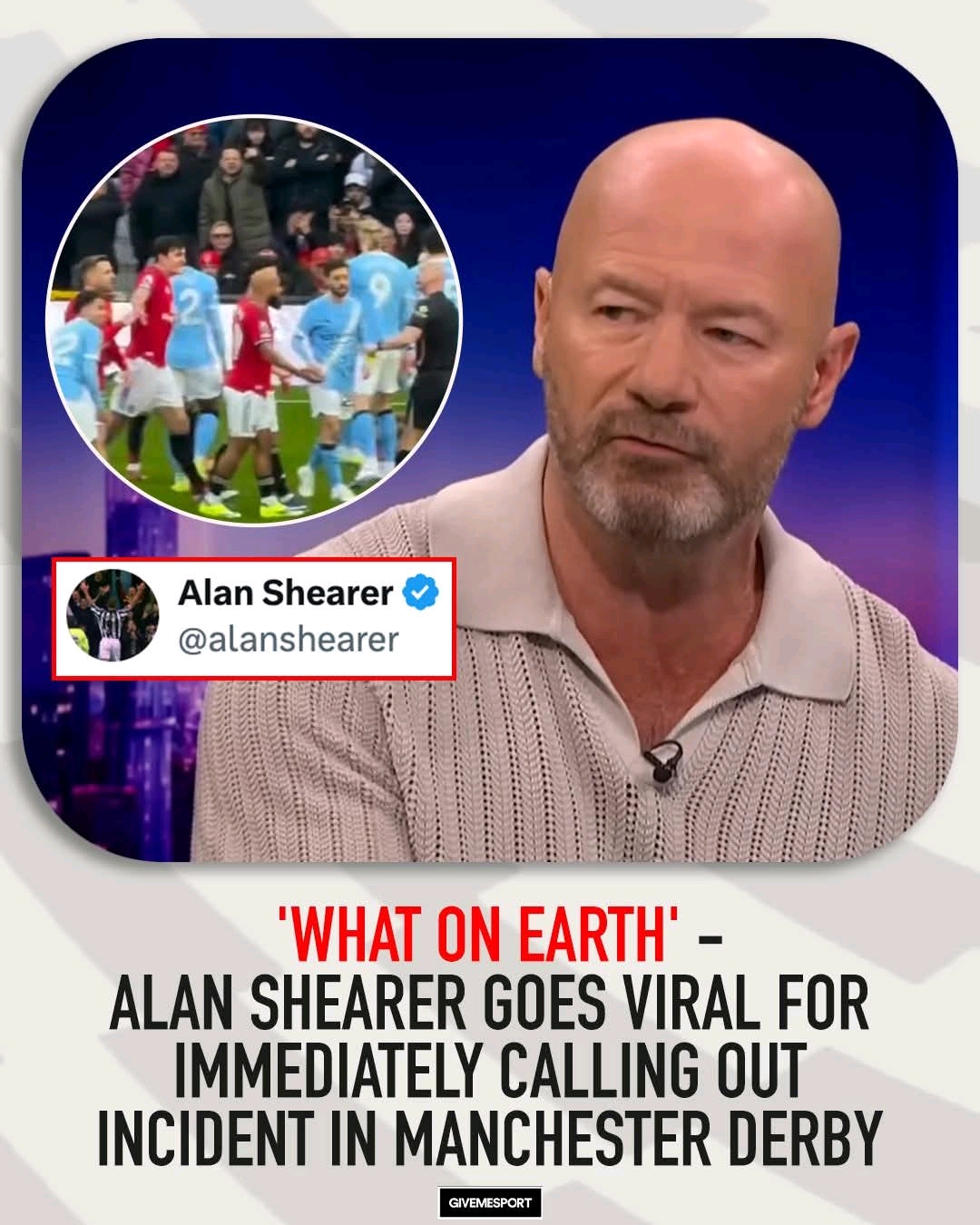
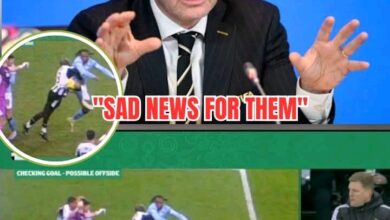
Diogo Dalot went into a challenge with his studs raised and caught Antoine Semenyo high. It was one of those tackles that looks worse every time you see it again. At full speed, the referee waved play on and then reached for a yellow card. Immediately, players surrounded the official. City players were furious. United players tried to calm things down. The crowd roared. Everyone knew this was serious.
VAR checked the incident, and after a review, the decision stayed the same. Yellow card. No red. Dalot stayed on the pitch.
That decision instantly became the main talking point of the match.
At halftime, nobody was talking about tactics, formations, or missed chances. Everyone was talking about that tackle. Social media exploded. Fans from all clubs joined the debate. Some said it was reckless. Others said it was dangerous. Many said it was a clear red card.
The Premier League later released an official statement explaining the decision. According to them, the referee’s call was checked by VAR and confirmed. They said the contact was glancing, not with excessive force, and therefore did not meet the threshold for a red card. In their view, yellow was the correct decision.
But not everyone agreed. In fact, some of the most respected voices in football completely disagreed.
Former Premier League referee Mike Dean did not hold back at all. Speaking on live television, he said it was “100 percent a red card.” He explained that at normal speed it might be hard to judge, but slow-motion replays clearly showed the danger. The challenge was high, across the knee, and could easily have caused serious injury. For him, there was no debate.
Other pundits echoed the same feeling. Daniel Sturridge said the challenge crossed the line. Roy Keane, never one to sit on the fence, said even he could see it was a red card, and he joked that he was “no expert in red cards,” which only made his comment stronger.
Alan Shearer, one of the most respected figures in English football, also made his feelings clear. He reposted the clip online and wrote that it was a red card all day long. He questioned what the officials were thinking and showed clear frustration with the decision-making process.
Even respected journalists joined in. Henry Winter suggested it was very close to a red, adding more weight to the argument that United were lucky to keep eleven men on the pitch.
Despite all the noise, all the anger, and all the debate, the decision did not change. Dalot stayed on. The match continued.
And in the second half, Manchester United took full advantage.
They played with confidence, control, and hunger. City looked shaken, unable to find their usual rhythm. United pressed hard, won second balls, and slowly took control of the game. When the first goal came, Old Trafford exploded. When the second followed, the result was clear.
By the final whistle, Manchester United had secured a massive 2-0 victory. The win pushed them up into fourth place and right into the Champions League qualification spots. It was a statement win, one that fans will talk about for a long time.
But the controversy did not disappear with the final whistle. If anything, it grew even louder.
Manchester City fans felt robbed. They believed the game should have been changed completely by a red card. Playing against ten men in a derby is a huge advantage, and many felt that United’s win came with an asterisk attached.
United fans, on the other hand, defended the decision. They argued that football is a contact sport, that not every high tackle is a red card, and that VAR checked it properly. For them, the result was deserved, and the talk about the tackle was just excuses.
The Premier League’s statement only added fuel to the fire. Some fans accused the league of protecting referees instead of admitting mistakes. Others said consistency was once again missing, pointing to similar tackles in other games that resulted in red cards.
This is not a new problem. Refereeing decisions have been under the spotlight all season. Every weekend brings new controversy, new arguments, and new frustration. VAR was introduced to reduce mistakes, but many fans feel it has only added confusion.
In this case, the biggest issue was not just the decision itself, but the lack of clarity. Some see excessive force. Others see glancing contact. Some focus on intent. Others focus on outcome. Without clear standards, every decision becomes a debate.
For the players involved, the moment passed quickly. Dalot finished the match. Semenyo continued playing. Neither suffered serious injury. But that does not end the discussion. Football is not just about what happens, but about what could have happened. A challenge like that, even if it ends without injury, carries risk.
Mike Dean’s comments were especially powerful because he has been on the other side of these decisions. He understands the pressure referees face. When someone like him says the decision was wrong, people listen.
This incident will now be added to the long list of controversial Premier League decisions this season. It will be replayed, debated, and argued about for weeks. Fans will use it as evidence for their beliefs about VAR, referees, and fairness.
For Manchester United, none of that matters. The points are on the board. The table looks better. Confidence is high. A derby win is always special, and this one came at a crucial time in the season.
For Manchester City, the frustration will linger. They will feel hard done by. Pep Guardiola will likely keep his thoughts measured in public, but inside, the anger will be there. In tight title races, moments like this feel even bigger.
Football is a game of fine margins. One decision can change everything. On this day, that decision went Manchester United’s way.
Whether it was right or wrong will continue to divide opinion. What is certain is that the derby delivered drama, controversy, and emotion, just as it always does.
And long after the goals are forgotten, long after the table changes again, people will still remember the tackle, the yellow card, and the question that still hangs in the air.Was it really enough?