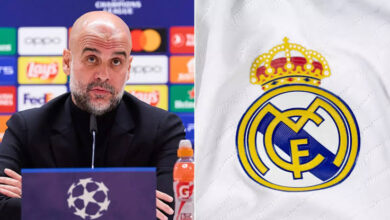
Pep Guardiola stood in the rain at the Etihad Stadium, his face tight, his eyes distant, the touchline no longer the place of joy and control it once was for him. For years, this stadium had been his kingdom. It was where he reshaped English football, where his ideas turned into trophies, records, and fear in the hearts of opponents. But now, something feels different. The energy has changed. The certainty has faded. Behind the calm words in press conferences and the familiar gestures on the sidelines, there is a growing sense that Pep Guardiola is no longer happy at Manchester City, and that his time at the club could end sooner than anyone expected.
Those close to the situation believe Guardiola has been deeply frustrated by the last two seasons. Manchester City, once the most dominant force in English football, have started to look human. Mistakes creep in. Leads are lost. Control slips away. The standards Guardiola set himself have not been met, and that hurts him more than any criticism from outside ever could. This is a manager who measures success in perfection, not just trophies, and lately, perfection has been far away.
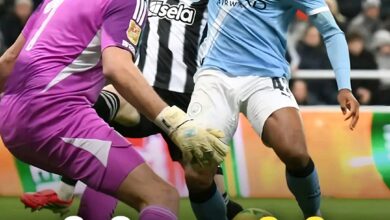
The recent 2-2 draw with Tottenham summed up everything that is troubling Guardiola right now. City were in control at half-time, leading 2-0 and playing the kind of football that once felt automatic. The passing was sharp, the movement fluid, and the Etihad crowd relaxed. Then came the second half, and everything unraveled. Two goals from Dominic Solanke dragged Tottenham back into the game, and City were left stunned. The first goal sparked controversy, with questions over refereeing decisions, while the second exposed defensive fragility that has become worryingly familiar.
As the final whistle blew, Guardiola stood still, rain dripping from his jacket, staring at the pitch as if trying to understand how another comfortable position had slipped away. This was not a one-off. This has happened before, too many times for his liking. City have thrown away leads, lost momentum, and struggled to impose themselves with the authority they once had. For a manager obsessed with control, this is torture.
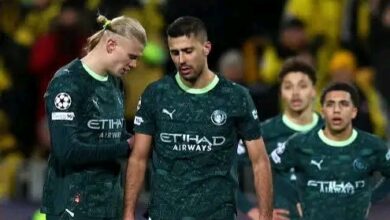
The frustration is not only tactical. It runs deeper. There is anger at moments of indiscipline, like captain Rodri’s outburst at referees after the Solanke goal. Guardiola values emotional control almost as much as technical ability. When his leaders lose their heads, it signals a deeper problem. It suggests a team under pressure, unsure of itself, and reacting instead of dictating. That is not the Guardiola way.
Behind the scenes, Guardiola is believed to be growing tired. Not tired of football, but tired of fighting battles that feel unfamiliar. For nearly a decade, City set the standard. Rivals chased them. Now, City are the ones looking over their shoulders. The fear factor has gone. Opponents no longer arrive at the Etihad already beaten. They believe they can get something, and too often, they are right.
Former Manchester United chief scout Mick Brown has spoken openly about this shift. From his perspective, City no longer feel unbeatable. There was a time when even strong teams would collapse under City’s pressure. Now, City wobble. They concede silly goals. They lack consistency. Brown believes Guardiola sees this clearly and feels responsible, even if the reasons are complex and not entirely within his control.
Last season was already difficult. City suffered a dramatic drop in form, and for the first time in years, Guardiola looked unsure. He tried different solutions, rotated players, tweaked systems, but nothing quite worked. The usual answers did not come. The season ended in disappointment, capped by an FA Cup final defeat to Crystal Palace. For a club used to collecting trophies almost by default, that loss cut deep.
Now, there is a real possibility that City could go a second consecutive season without a major trophy. For many managers, that would be acceptable. For Guardiola, it feels like failure. He has always said he does not want to overstay his welcome. He does not want to be the problem. If he feels his message is no longer landing, or his ideas are no longer producing results, he will walk away without hesitation.
Guardiola’s contract runs until 2027, but contracts have never meant much to him. He left Barcelona when he felt exhausted, despite still being successful. He stepped away from Bayern Munich even though he was winning. His decisions are emotional and philosophical, not financial. If he believes the cycle at City is ending, he will not wait for the contract to expire.
There have already been whispers that this could be his final season. Those whispers are growing louder. Brown warned back in January that Guardiola could leave sooner rather than later, and events since then have only added fuel to the fire. Guardiola’s body language tells a story. The touchline smiles are rarer. The playful moments in training are less frequent. There is tension where there was once joy.
People around the club say Guardiola feels trapped between expectations and reality. City are still a top team, still competing, but the margins have shifted. Injuries, fatigue, and the natural aging of key players have taken their toll. Rivals have adapted to City’s style. The league is stronger, more aggressive, less forgiving. Guardiola knows all this, but knowing does not make it easier.
Brown believes Guardiola’s unhappiness is clear. He points to the repeated loss of leads as a sign of a team lacking belief. When City go ahead, there is no longer a sense of inevitability. Instead of killing games, they invite pressure. Instead of dominating possession with confidence, they rush decisions. Guardiola watches this and feels the weight of responsibility pressing down on him.
There is also the emotional toll of constant scrutiny. Every decision Guardiola makes is analyzed to death. Every draw feels like a crisis. After years of success, the standards are impossibly high. Guardiola created those standards himself, and now they are haunting him. When City fall short, it feels like a personal failure.
The idea that Guardiola could walk away at the end of the season, regardless of his contract, no longer sounds extreme. In fact, to many, it feels logical. Guardiola has always believed in ending chapters before they turn sour. He would rather leave people wanting more than stay long enough to become a target for blame.
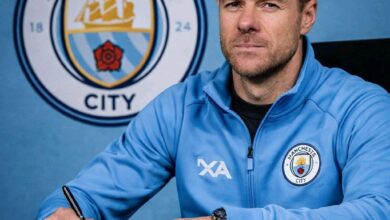
Because of this uncertainty, Manchester City are already preparing for life after Guardiola. The club’s leadership understands how fragile this situation is. They know that if Guardiola decides to leave, they must act quickly and decisively. There is no replacing Guardiola, but there is planning for the next era.
One name stands above the rest: Vincent Kompany. The former City captain embodies everything the club values. He understands the culture, the expectations, and the pressure. Now managing Bayern Munich, Kompany is enjoying an impressive season in Germany. Bayern sit comfortably at the top of the Bundesliga, playing dominant football, and Kompany has earned widespread praise for his calm authority and clear ideas.
City see Kompany as the natural successor. He has Guardiola’s respect, having played under him and absorbed his philosophy. But he is not a clone. He brings his own personality, his own leadership style. Prising him away from Bayern would not be easy, but City believe the emotional pull of returning home could be decisive.
Other names are also in the frame. Enzo Maresca, who worked as Guardiola’s assistant at City, has already been in contact with the club before leaving for Chelsea. His understanding of Guardiola’s methods makes him an attractive option, though his relative lack of top-level managerial experience raises questions.
Xabi Alonso is another admired figure. His football intelligence, calm demeanor, and success as a coach have made him one of the most wanted managers in Europe. After leaving Real Madrid, his future remains open. City are interested, but so are other giants, including Liverpool. Any move for Alonso would spark a major battle.
The fact that City are even considering replacements speaks volumes. This is not panic, but it is preparation. Guardiola’s future has become uncertain enough that ignoring it would be irresponsible. Inside the club, there is respect for Guardiola’s legacy, but also realism about the need to plan.
For Guardiola himself, these discussions may add to his discomfort. He is aware of the speculation. He hears the whispers. He knows the club must protect itself. But that knowledge does not ease the emotional strain. Instead, it reinforces the feeling that an era may be coming to an end.
What makes this situation so painful is how much Guardiola has given to Manchester City. He transformed the club’s identity. He turned domestic success into dominance. He delivered nights of football that felt almost unreal in their beauty. The Etihad became a stage for something special. Walking away from that is not easy.
Yet Guardiola has never been sentimental. He believes football is about cycles. When a cycle ends, forcing it to continue only leads to decline. He has said many times that when he feels his energy drop, he will leave. The signs suggest that moment may be approaching.
City’s recent struggles have not been dramatic collapses. They are subtle, creeping issues. A missed pass here. A slow reaction there. A lapse in concentration at the wrong moment. Guardiola sees all of it. He replays games in his head. He searches for solutions late into the night. But sometimes, effort is not enough.
The loss of that unbeatable aura hurts Guardiola deeply. He built City into a team opponents feared before kickoff. Now, teams arrive believing they can hurt City, and often they do. That psychological shift is hard to reverse. Guardiola knows confidence is fragile, and once cracked, it takes time to rebuild.
If City end this season without silverware again, the pressure will be unbearable. Questions will intensify. Critics will grow louder. Guardiola may decide that the kindest thing for himself and the club is to step aside. It would not be an admission of failure, but an acknowledgment that every story has an ending.
For fans, the idea of Guardiola leaving is frightening. He has been the constant, the genius at the center of everything. Imagining City without him feels wrong. But change is inevitable in football. Even the greatest managers move on.
As the rain continues to fall on the Etihad, Guardiola’s future remains unclear. He is still fighting, still working, still demanding excellence. But behind that drive is fatigue. A sense that the battle is harder than it used to be. Whether he stays or goes, the coming months will shape Manchester City’s future forever.
If Guardiola does leave, he will leave behind a legacy unmatched in the club’s history. He will also leave behind a challenge for whoever follows him. Replacing his ideas, his intensity, and his influence will be almost impossible. But football moves on, with or without its greatest minds.
For now, all eyes remain on Guardiola. Every result, every gesture, every word will be examined. The story is still being written. But one thing is clear: Pep Guardiola is no longer completely happy at Manchester City, and that truth may soon change everything.