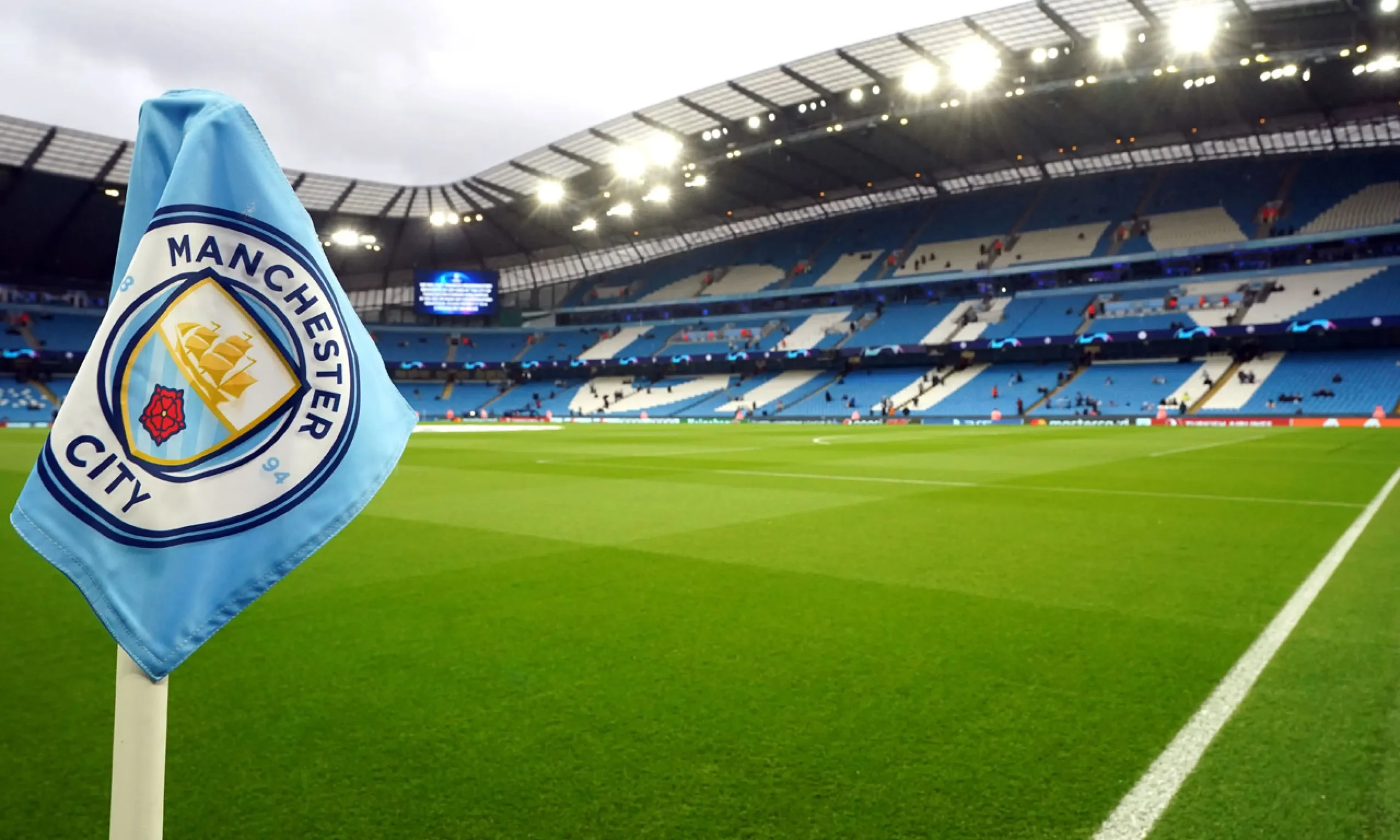
Manchester City are facing a moment of adjustment as they prepare for a congested winter schedule in the Premier League and UEFA Champions League, with Pep Guardiola set to navigate his squad through a period of important fixtures without two of their key African players. Rayan Ait-Nouri and Omar Marmoush will depart the Etihad Stadium to represent their countries in the upcoming African Cup of Nations, leaving Guardiola with tactical and squad selection dilemmas as City continue their march in domestic and European competitions.
City’s current momentum has been impressive. A dominant 3-0 victory over Sunderland at the Etihad Stadium highlighted the team’s attacking prowess, defensive solidity, and tactical discipline. That result was followed up by a statement performance in Europe, with Manchester City securing a memorable 2-1 away win against Real Madrid in the UEFA Champions League. These results have showcased City at their best, with fluid attacking patterns, cohesive defensive shape, and the tactical adaptability that Guardiola demands from his squad. However, the departure of Ait-Nouri and Marmoush introduces a layer of complexity at a time when consistency and squad depth are crucial.
The timing of the African Cup of Nations is particularly challenging. With matches across both December and January, Manchester City will need to rotate their squad effectively to maintain performance levels across multiple competitions. Pep Guardiola has always valued his squad depth, but the absence of two first-team players—one in a defensive role and another in an attacking position—means that others will be required to step into unfamiliar or elevated roles. The winter period is one of the most physically and mentally demanding parts of the season, and Guardiola will need to make precise decisions to balance fitness, form, and tactical fluidity.
It has been officially confirmed by assistant coach Kolo Toure that both Rayan Ait-Nouri and Omar Marmoush have been called up for international duty. Ait-Nouri will represent Algeria, while Marmoush will pull on the Egypt shirt for the upcoming tournament. Manchester City have committed to releasing both players after their Premier League trip to Crystal Palace, ensuring compliance with FIFA international regulations. The timing of their departures means they will miss Manchester City’s Carabao Cup quarter-final clash with Brentford, as well as a Premier League home fixture against West Ham United, before the African Cup of Nations kicks off.
For Ait-Nouri, Algeria has been drawn into Group E, where they will face Sudan, Burkina Faso, and Equatorial Guinea in a round-robin format. Each of these matches will provide challenges of different kinds, from high-tempo attacking play to defensive resilience, meaning Ait-Nouri’s absence at the Etihad could be felt by City in terms of defensive rotations and full-back coverage. Meanwhile, Omar Marmoush’s Egypt will contend in Group B against Zimbabwe, South Africa, and Angola. The three group stage matches will test Egypt’s attacking flexibility and cohesion, while City will need to recalibrate their forward line during his absence.
The potential return dates for Ait-Nouri and Marmoush are closely linked to how far their respective nations progress. Should either nation fail to advance past the group stage, the players could theoretically be back in Manchester by Sunday, January 4, in time for Chelsea’s Premier League visit to the Etihad Stadium. However, progression to the Round of 16 would delay their return, causing them to miss the Chelsea game as well as a midweek fixture against Brighton & Hove Albion on Wednesday, January 7. Extended runs to the quarter-finals or semi-finals would further complicate Guardiola’s plans, potentially ruling out their participation in an FA Cup third-round tie against Exeter City, and a high-profile Manchester derby at Old Trafford on Saturday, January 17. Even the third-place play-off or final could affect their availability for the UEFA Champions League trip against Bodo/Glimt, as post-match celebrations would naturally delay reintegration into the squad. Should both players—or even just one—reach the final stages of the African Cup of Nations, their first game back in City colors might not be until the Premier League match against Wolves at the Etihad on Saturday, January 24.
Related Posts:

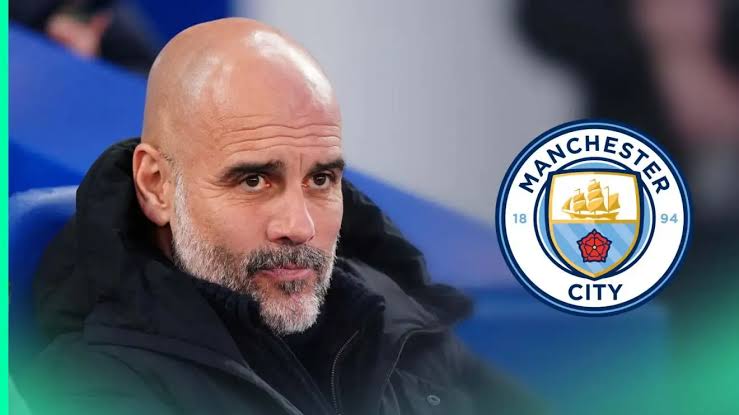

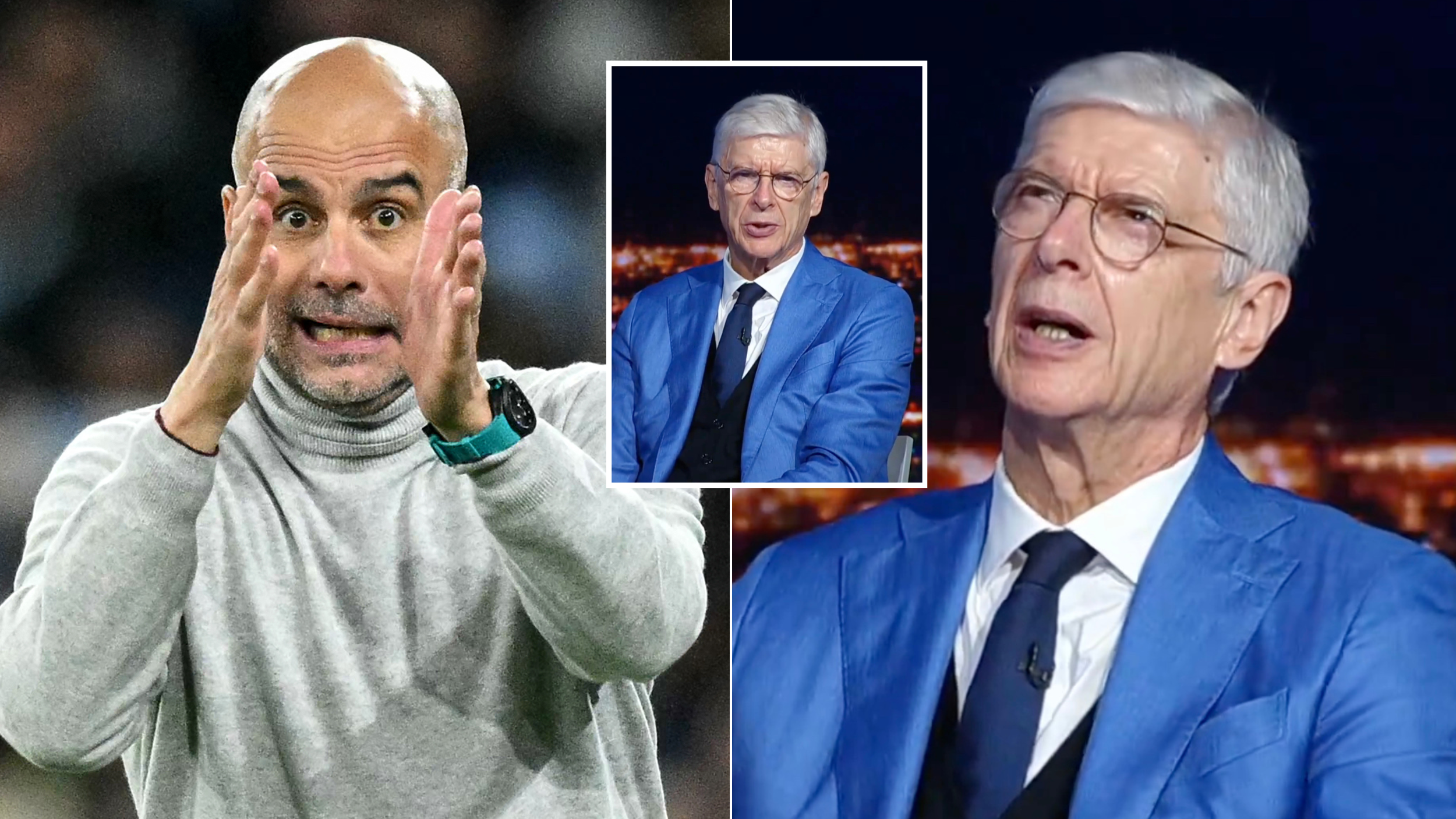
Kolo Toure offered insight into the impact of these departures on City’s preparations, emphasizing both the challenge and the squad’s resilience. Speaking at a media conference, Toure said: “Of course, they’re two really important players. If it’s up to the manager, he’d want to play every player, as we know. He loves the players. Every time he has to make a decision for a player to be left out, it does hurt him a lot. But for sure, we’ll miss Omar and Ait-Nouri for sure, but we’re strong enough to cope as a squad if they’re absent.”
Guardiola now faces tactical choices on both ends of the pitch. At left-back, Nico O’Reilly is expected to step into a starting role in place of Ait-Nouri. However, rotation options also include Josko Gvardiol and Nathan Ake, who could be deployed depending on fitness levels and opposition threats. Guardiola’s defensive unit will need to adapt, especially against fast and technically skilled sides, where Ait-Nouri’s experience and positional awareness would normally be an asset.
In attack, Marmoush’s absence creates opportunities for players who have been on the fringes of first-team action or those seeking to solidify their roles. Savinho and Oscar Bobb may see increased minutes, while highly-rated academy prospect Divine Mukasa could be called upon to demonstrate his talent on a bigger stage. This situation underscores the importance of having a deep, versatile squad capable of adjusting to the demands of multiple competitions simultaneously. Guardiola’s tactical acumen will be tested, particularly in balancing offensive creativity with defensive stability during these fixture-heavy weeks.
The departures of Ait-Nouri and Marmoush could also have implications for Manchester City’s approach to the January transfer window. While City have traditionally remained quiet in mid-season, the combination of African Cup of Nations absences and injuries elsewhere may force consideration of short-term solutions. Even temporary reinforcements could provide cover for key positions during periods when the first-team squad is stretched across domestic and European competitions. The situation highlights the fine margins at the top of the Premier League and Champions League, where a single absence can influence the outcome of crucial matches.
The timing and structure of the African Cup of Nations further complicate squad management. Algeria and Egypt’s respective group stage fixtures ensure that Guardiola will have to plan meticulously to avoid overloading players or leaving gaps in crucial positions. If either nation progresses beyond the group stage, City could face multiple high-stakes matches without two first-team players, demanding rotation and careful management of training intensity to maintain competitive sharpness.
Beyond immediate tactical concerns, the departures of Ait-Nouri and Marmoush also have psychological and strategic implications. Pep Guardiola will need to maintain squad morale, ensuring that players stepping into vacated roles feel confident and supported. Meanwhile, the absence of established internationals presents an opportunity for emerging talent to make a mark and stake a claim for regular inclusion in a squad that boasts both quality and depth. Guardiola’s ability to adapt his game plan, foster cohesion, and manage egos will be as crucial as the team’s on-field performance.
City’s winter campaign is demanding. Matches in the Premier League, Carabao Cup, FA Cup, and UEFA Champions League will come thick and fast. Guardiola has often spoken about the importance of squad rotation, and this period will be a prime example of that philosophy in practice. Players will need to rise to the occasion, whether by filling in for Ait-Nouri at left-back, stepping into Marmoush’s attacking role, or taking advantage of minutes to impress in other positions.
The African Cup of Nations absences also create a narrative beyond City. Both Algeria and Egypt will be counting on their Manchester City stars to perform on an international stage. The tournament provides a platform for Ait-Nouri and Marmoush to showcase their talent, represent their nations, and gain experience that could ultimately benefit City when they return. Guardiola will need to weigh the benefits of international experience against the short-term impact on his squad, particularly when fixtures come thick and fast.
As the season progresses, Guardiola’s planning will need to incorporate a variety of factors: player fitness, international travel, match congestion, and tactical adjustments. The importance of squad depth becomes even more pronounced during periods like this, and City’s ability to adapt to absences without sacrificing performance will be crucial in maintaining momentum in both domestic and European competitions.
Ultimately, the length of Algeria and Egypt’s runs in the African Cup of Nations will dictate the scale of the challenge. A short stay in the tournament would allow City to reintegrate their stars relatively quickly, maintaining their rhythm and squad cohesion. Conversely, a deep run could see Guardiola navigating several critical fixtures without two important players, requiring careful management, rotation, and tactical ingenuity.
The situation presents a story of opportunity as much as challenge. Nico O’Reilly, Josko Gvardiol, Nathan Ake, Savinho, Oscar Bobb, and Divine Mukasa are all positioned to seize their chance and prove their value to the squad. Guardiola’s ability to balance ambition, player development, and squad rotation will be tested, providing a real-time example of the managerial skill required at the highest level of club football.
Kolo Toure’s comments underline the balance between loss and opportunity. While the absences of Ait-Nouri and Marmoush are significant, he emphasized confidence in the squad’s ability to cope: “We’re strong enough to cope as a squad if they’re absent.” This speaks to the depth and quality within City’s ranks, which will be vital as the club navigates a period that could define their season in multiple competitions.
As Manchester City look forward to their Premier League trip to Crystal Palace, Guardiola’s tactical planning, squad rotation, and decision-making will all come under scrutiny. The ability of his players to step up in the absence of key internationals will be crucial in maintaining momentum, confidence, and consistency. This period provides an early test of how City can manage squad depth, maintain performance levels, and balance the demands of domestic and European football simultaneously.
The African Cup of Nations represents a dual narrative for Manchester City. For Ait-Nouri and Marmoush, it is an opportunity to excel on an international stage, while for City, it is a test of resilience, adaptability, and managerial acumen. How Guardiola navigates the absence of these two players, integrates emerging talents, and maintains the club’s competitive edge will have a significant impact on the team’s fortunes in January and beyond.
Squad rotation will be crucial. Guardiola must decide when to deploy Nico O’Reilly, how to utilize Josko Gvardiol and Nathan Ake, and how to give attacking opportunities to players like Savinho, Oscar Bobb, and Divine Mukasa. Tactical adjustments in formations, pressing intensity, and attacking patterns may be required to compensate for the absences, ensuring that City remain competitive across multiple fronts.
January transfer planning may also be influenced by the African Cup of Nations. While City are not typically active mid-season, extended absences due to international duty or injuries could prompt consideration of short-term reinforcements. This adds another layer of strategic planning, as Guardiola must balance long-term squad stability with immediate competitive needs.
Ultimately, the situation highlights the delicate balance required in modern football management. Manchester City are fortunate to have a deep, talented squad, but the absence of Rayan Ait-Nouri and Omar Marmoush during a demanding period will test every aspect of Guardiola’s leadership, from tactical flexibility to player management and squad morale. The upcoming weeks will provide a fascinating glimpse into how a top manager navigates the challenges of squad rotation, international absences, and fixture congestion.
The story of Ait-Nouri and Marmoush’s absences at the African Cup of Nations is not just about what City will miss, but also about what the situation represents: an opportunity for emerging talents to prove themselves, a test of managerial skill, and a reminder of the complexities of running a top football club in a season filled with domestic and European demands. Guardiola’s response to this challenge, the performances of his players in elevated roles, and the eventual return of the two African internationals will all shape Manchester City’s trajectory in the months to come.
As the tournament progresses, City fans will be watching closely. Every pass, tackle, and goal for Algeria and Egypt will be followed with interest, knowing that the performance of their stars abroad has direct consequences back at the Etihad Stadium. Similarly, Guardiola will be observing and planning, preparing for the return of his internationals and the reintegration of their experience, confidence, and match sharpness into the squad.
In conclusion, the African Cup of Nations absences of Rayan Ait-Nouri and Omar Marmoush present Manchester City with a multi-layered challenge. Tactical adjustments, squad rotation, and the emergence of other players will define the club’s ability to maintain momentum in both domestic and European competitions. Guardiola’s management, the performances of substitute players, and the timing of international returns will all play critical roles in shaping the team’s success during a pivotal period of the season. While the absences are significant, they also provide a unique opportunity to test squad depth, develop emerging talent, and showcase the managerial acumen that has become synonymous with Pep Guardiola’s Manchester City