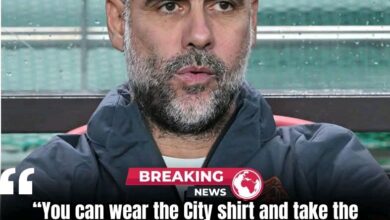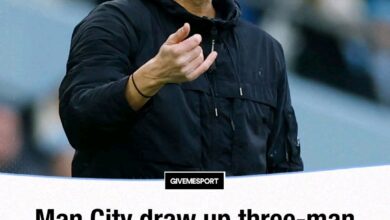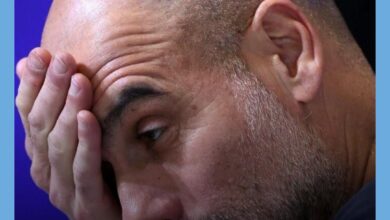
The night at the Tottenham Hotspur Stadium was supposed to be another calm step forward for Manchester City in their chase for the Premier League title, but instead it turned into another painful chapter in a season already filled with frustration, anger, and endless arguments about referees and VAR. When the final whistle blew and the scoreboard showed Tottenham 2 Manchester City 2, the feeling inside the City camp was not just disappointment, it was pure rage. Pep Guardiola stood on the touchline shaking his head, players walked off the pitch in silence, and once again the talking point was not football quality but a refereeing decision that many believe changed the entire match.
Manchester City had started the game like a team with something to prove. They looked sharp, confident, and fully in control. From the first whistle, Guardiola’s players pressed Tottenham high up the pitch, moved the ball quickly, and made Spurs look nervous in their own stadium. Tottenham fans expected a tough night, but few expected City to dominate so completely in the first half. The visitors passed with ease, broke lines, and punished Spurs whenever space appeared.
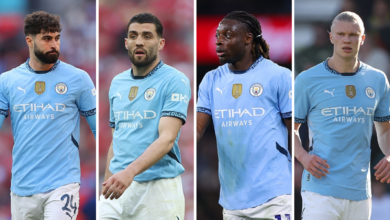
The opening goal came as a reward for City’s dominance. Rayan Cherki showed calm beyond his years, drifting into space and finishing with confidence to put City ahead. It was the kind of goal Guardiola loves, built with patience and intelligence. Tottenham tried to respond, but City were simply too strong. Every Spurs attack was stopped before it became dangerous, and the City midfield controlled the tempo like experienced conductors.
Before halftime, City struck again. Antoine Semenyo doubled the lead with a powerful finish that left the home crowd stunned. At 2-0, City looked comfortable, almost relaxed. Guardiola stood calmly on the touchline, believing his team had done enough to see the game out. Many watching felt the same. It looked like another routine victory, another step closer to keeping their title hopes alive.
But football rarely follows the script, and the second half told a very different story.
Tottenham came out with more intensity, pushed forward, and played with desperation. City, perhaps too comfortable, dropped slightly deeper. Then came the moment that changed everything. Dominic Solanke, quiet for much of the first half, suddenly became the centre of attention. His first goal pulled Spurs back into the game, but it was the manner of the goal that caused outrage.
Related Posts:

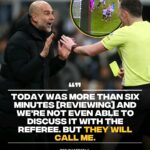
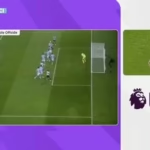

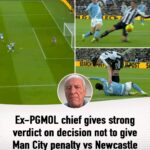
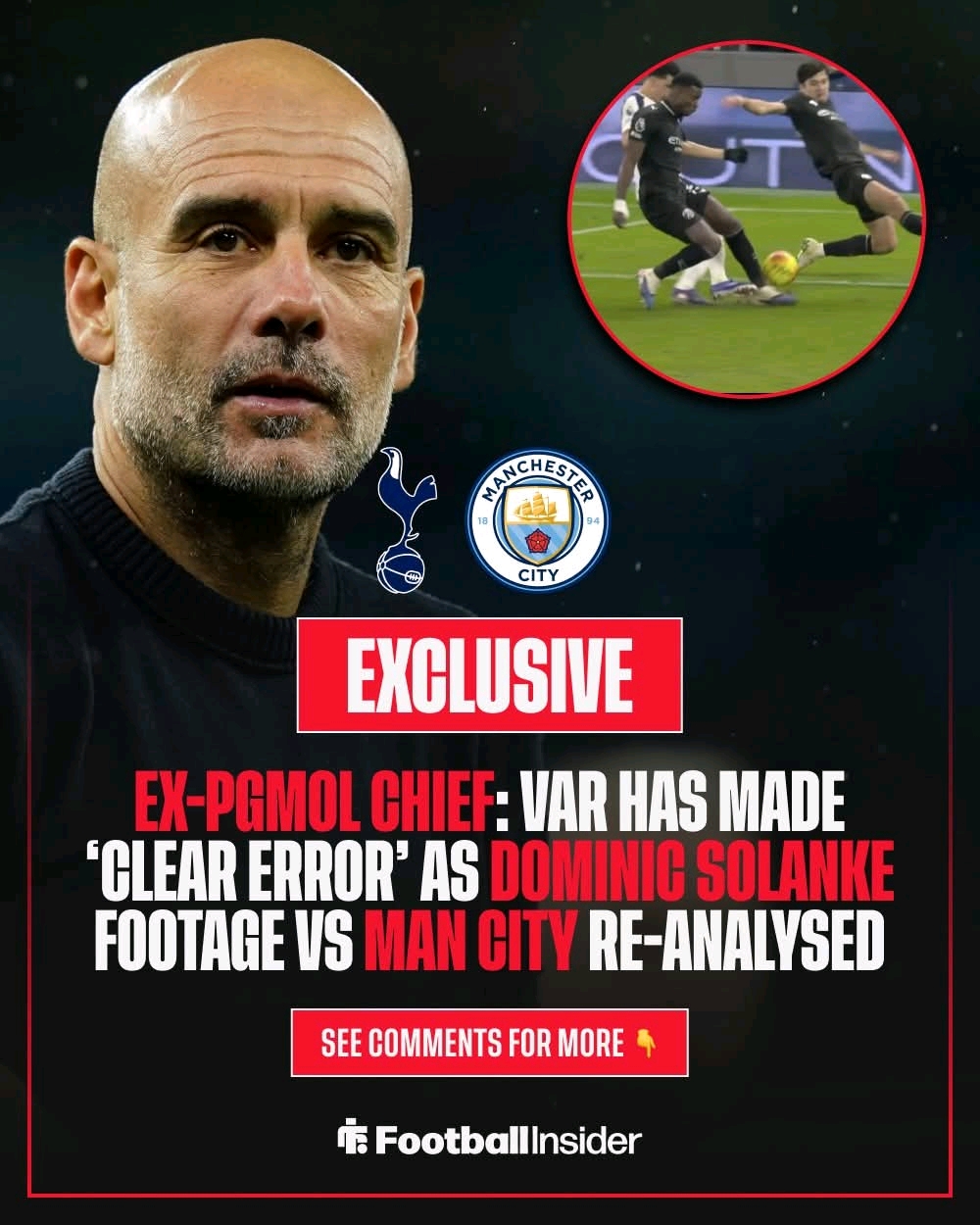
As the ball bounced inside the penalty area, Solanke stretched to reach it. Replays later showed that in doing so, he kicked through the back of Marc Guehi’s leg before the ball rolled past Gianluigi Donnarumma and into the net. On the pitch, referee Rob Jones pointed to the centre circle. City players immediately protested. Guehi was on the ground, clearly hurt. Guardiola was furious on the sideline. Everyone waited for VAR to intervene.
But VAR did nothing.
Despite multiple replay angles clearly showing contact, VAR official Jarred Gillett decided not to send Rob Jones to the monitor. The goal stood. Tottenham fans celebrated wildly, while City players stood in disbelief. From that moment, the match changed completely. Confidence drained from City, while belief surged through Tottenham.
The pressure kept coming, and then came the moment of magic. Solanke scored his second goal with an unbelievable scorpion kick, a finish that lit up the stadium and left Donnarumma helpless. It was a stunning piece of skill, and even City fans had to admit it was special. But by then, the damage had already been done. City had lost control, and the draw felt inevitable.
When the final whistle blew, City knew they had dropped two vital points. In a title race where every game matters, this draw felt like a defeat. But the anger did not come from the result alone. It came from the belief that the match had been decided by a clear refereeing mistake.
Former PGMOL chief Keith Hackett later reviewed the footage and did not hold back. Speaking after watching the replays, he said he was shocked that the goal was allowed to stand. In his view, the foul was obvious. Solanke kicked Guehi in the back of the leg. That is a foul in any area of the pitch, and certainly inside the penalty box. Hackett questioned where VAR was and why it failed to act.
He explained that allowing the goal was a clear and obvious error, exactly the kind of situation VAR was created to correct. He added that if Rob Jones had been sent to the monitor, there was no doubt the goal would have been ruled out. For Hackett, this was not a close call, not a grey area. It was a mistake, plain and simple.
This criticism only added fuel to the fire for Guardiola, who has already been outspoken about refereeing decisions this season. Just weeks earlier, City were involved in another controversial VAR moment during their match against Wolves. On that occasion, City were denied a penalty, and Guardiola publicly demanded answers from referee Farai Hallam and PGMOL chief Howard Webb.
Guardiola’s comments caused debate across English football. Some defended the referee, including Alan Shearer, who praised Hallam for being brave and sticking to his decision. Others felt Guardiola had a point and that City were once again victims of inconsistency.
Now, after the Solanke incident, Guardiola’s complaints feel justified to many. Two major decisions, both going against City, both involving VAR, and both having a huge impact on results. For a manager fighting for every point in a tight title race, this is more than frustrating. It feels unfair.
The bigger issue goes beyond Manchester City. This match has once again raised serious questions about VAR and its role in the Premier League. Fans, players, and managers are tired of inconsistency. One week, VAR intervenes for minimal contact. The next week, it ignores what many see as a clear foul. There is no clear standard, no transparency, and no explanation that satisfies everyone.
For City, the consequences are immediate. Dropping points at this stage of the season could be the difference between lifting the trophy and finishing second. Guardiola knows this. The players know this. Every mistake feels heavier, every decision feels bigger.
Tottenham, on the other hand, will happily take the point. Solanke’s performance will be remembered for his incredible equaliser, and Spurs fans will celebrate his determination and skill. But even among neutral fans, there is an understanding that the controversy overshadows the football.
As the season continues, the pressure on referees and VAR officials will only increase. Matches like this do not just decide results, they shape narratives. They influence title races, careers, and reputations. For Manchester City, this draw may be remembered not for the goals they scored, but for the one they believe should never have stood.
Pep Guardiola walked away from the pitch knowing that once again, his team’s hard work had been undone by a moment outside their control. Whether the Premier League addresses these issues or not remains to be seen. But one thing is certain. The debate about VAR, referees, and fairness is far from over, and nights like this only make it louder.
For City fans, the frustration lingers. For Guardiola, the anger builds. And for English football, the questions continue with no clear answers in sight.