Man City, Newcastle, Chelsea and Arsenal/Crystal Palace remain 🏆 But now we know who will play who in the next round

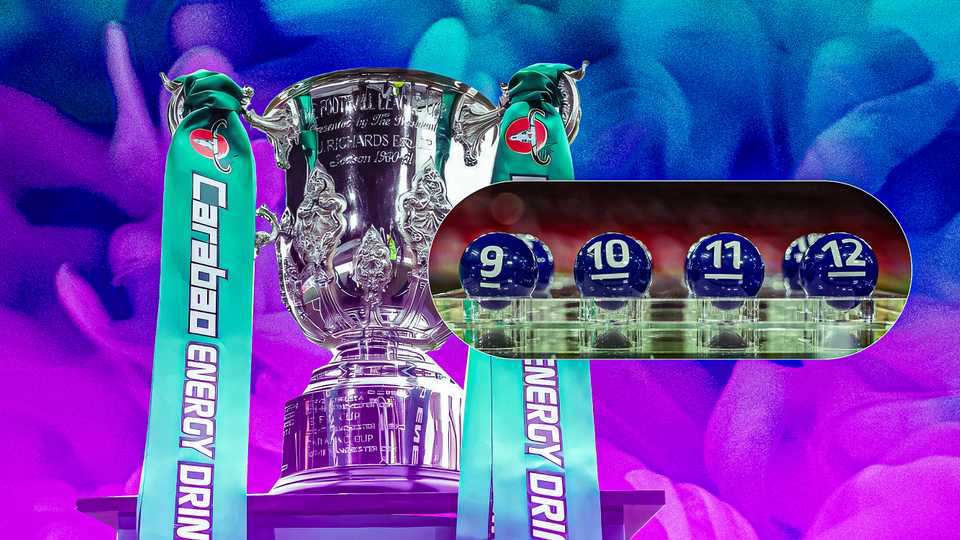
As the English football season moves deeper into winter, when fixtures pile up and pressure begins to squeeze even the strongest squads, one competition quietly steps into the spotlight once again. The Carabao Cup is often spoken about as the least glamorous domestic trophy in England, sometimes dismissed, sometimes rotated for, sometimes sacrificed by clubs chasing bigger prizes. Yet every year, when it reaches the semi-final stage, its importance suddenly becomes real. Dreams sharpen. Fans start to believe. Managers begin to think twice.
The 2025/26 Carabao Cup has now reached that crucial moment. The semi-final draw is complete, and with it comes anticipation, tension, and opportunity. For some clubs, this competition represents a chance to end years of waiting. For others, it is another step towards building a dynasty. And for a few, it is a rare chance to lift silverware in a season where league or European success may be out of reach.
This season’s Carabao Cup has followed the familiar pattern of surprise, drama, and elimination. While the Premier League and FA Cup often dominate the headlines, the League Cup has a habit of producing unforgettable stories. Last season, Newcastle United reminded everyone of that reality when they defeated Liverpool in the final. It was more than just a trophy. It was release. It was joy. It was a moment their fans had waited decades to feel.
That memory still hangs in the air as Newcastle once again find themselves deep into the competition. But they are not alone. Chelsea, Manchester City, Arsenal, and Crystal Palace all entered the latter stages with belief, and as the quarter-finals unfolded, the picture began to take shape.
Before the semi-final draw, attention was firmly on the quarter-final matches. Chelsea were drawn against Cardiff City, the lowest-ranked team remaining in the competition. On paper, it looked straightforward. In reality, it was anything but comfortable. Chelsea struggled for rhythm and control, and it took two late goals from Pedro Neto and Alejandro Garnacho to finally secure their place in the semi-finals. The relief was clear. The performance was not perfect, but the result was enough.
Manchester City, as they so often do, handled their task with calm authority. Drawn at home against Brentford, Pep Guardiola’s side made light work of the challenge. They controlled the game, dictated the tempo, and secured a professional victory that reflected their experience at this stage of competitions. It was not spectacular, but it was efficient, and efficiency is often what separates winners from hopefuls.
Related Posts:




Newcastle United, the defending champions, were pushed hard in their quarter-final clash against Fulham. The match looked destined for extra time, but in added time, young midfielder Lewis Miley rose to meet a corner and headed home the decisive goal. The moment was dramatic, emotional, and symbolic. Newcastle refused to surrender their crown quietly. They are still here, still hungry, still believing.
One quarter-final remains to be played, with Arsenal set to face Crystal Palace at the Emirates Stadium on December 23rd. Yet despite that match not yet being completed, both teams already know what awaits them should they progress. The draw has been made. Fate has been decided.
The semi-final draw was conducted after Newcastle’s dramatic victory over Fulham, and it delivered two ties that promise tension, intensity, and real stakes. Chelsea will host either Arsenal or Crystal Palace in the first leg of their semi-final. That fixture carries a strong London flavour, regardless of who advances. Chelsea versus Arsenal would bring history, rivalry, and pressure. Chelsea versus Crystal Palace would offer a chance for Palace to continue a remarkable cup journey against one of the traditional giants of English football.
The second semi-final pairing may be even more intriguing. Manchester City will face Newcastle United, with the first leg taking place at the Etihad Stadium. The return leg will be played at St James’ Park in February, a stadium that has rediscovered its voice in recent seasons. Newcastle fans will make sure their home leg is hostile, loud, and emotionally charged.
This tie feels like more than just a semi-final. It feels like a test of identity. Manchester City represent dominance, structure, and sustained excellence. Newcastle represent hunger, revival, and a club still writing the next chapter of its story. The contrast could not be clearer.
For Pep Guardiola, the Carabao Cup has always been treated with a careful balance of respect and pragmatism. He understands its value. He also understands the demands of the modern calendar. Yet time and again, his teams reach the latter stages. That is not an accident. It is a reflection of depth, mentality, and standards. City do not enter competitions to make up numbers. They enter to compete.
For Newcastle, this competition has taken on new meaning. Winning it last season changed the atmosphere around the club. It gave fans belief that this era is different. That trophies are possible. That progress is real. Returning to the semi-finals offers a chance to prove that success was not a one-off moment, but the beginning of something lasting.
Chelsea, meanwhile, remain a club in transition. Their journey over the last few seasons has been chaotic, expensive, and unpredictable. Reaching the semi-finals of the Carabao Cup offers a chance for stability, confidence, and a tangible reward. Lifting a trophy could transform the mood around the club and buy patience for a longer-term project.
Arsenal and Crystal Palace, still awaiting their quarter-final showdown, both have reasons to dream. Arsenal continue to chase major honours under their current project, and another cup run would underline their growth. Crystal Palace, fresh from recent success and under a manager who knows how to navigate knockout football, are not here by accident. They believe. And belief is dangerous in cup competitions.
The structure of the semi-finals adds another layer of drama. With two legs, there is no room for complacency. A good night is not enough. Teams must be consistent, focused, and mentally strong across two matches. Mistakes are punished. Momentum swings quickly. Away goals no longer matter, but psychology always does.
The first legs will be played on January 12th, 2026, with the return fixtures scheduled for the first week of February. The timing could not be more challenging. This period of the season is brutal. Injuries accumulate. Fatigue sets in. Squad depth is tested to its limits. How teams rotate, manage fitness, and maintain intensity could decide who reaches Wembley.
One important aspect of this season’s Carabao Cup is its accessibility. Every match is being broadcast live on Sky Sports in the UK. Fans who cannot attend games in person can still experience every moment, every goal, and every decision. In an era where football often feels distant from supporters, that connection matters.
Looking back at the journey so far, this competition has already delivered its share of stories. Grimsby Town’s fairytale run ended earlier than they hoped, but not before they left their mark by knocking out Manchester United in a previous round. Liverpool’s shock exit at Anfield, losing 3-0 to Crystal Palace, sent a reminder that no one is immune in knockout football. Wolves and Chelsea’s seven-goal thriller brought chaos and entertainment. Manchester City’s comeback against Swansea showed resilience.
These moments build towards something bigger. They are the stepping stones that make semi-finals feel earned rather than expected.
Now, attention turns fully to what lies ahead. Chelsea waiting to discover whether Arsenal or Palace will walk into Stamford Bridge. Manchester City preparing for another high-stakes battle with Newcastle. Fans counting down days. Players sensing opportunity.
The Carabao Cup may not carry the global prestige of the Champions League or the historic weight of the FA Cup, but it holds something just as powerful. It offers immediacy. It offers hope. It offers a clear path to silverware in a season where margins are thin and pressure is relentless.
For some clubs, lifting this trophy would be a bonus. For others, it would be a statement. And for one team, it will be another reminder that success, once tasted, demands to be defended.
As January approaches, the semi-final stage stands ready to deliver drama, noise, and moments that will linger long after the final whistle. The draw has been made. The routes are clear. And now, only football will decide who earns the right to walk out at Wembley with a trophy in sight.