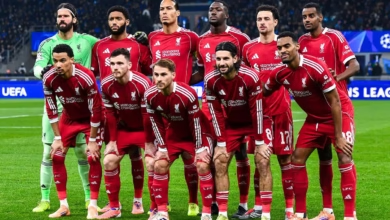
Manchester City is now on the verge of signing Abdukhodir Khusanov. City submitted an official bid today, a package worth €50m including bonuses


On Thursday, claims emerged from Brazil indicating that Manchester City had reached a verbal agreement with Vitor Reis and were actively working on securing a deal with Palmeiras, his current club. Later that same day, the Brazilian news outlet UOL further reported that the English champions were pushing to finalize a transfer for the 18-year-old defender in the winter market, signaling their clear intention to strengthen their squad.
Meanwhile, other sources, such as Gazeta Esportiva, reported that Palmeiras’ initial plan was not to entertain offers for Reis until after the summer FIFA Club World Cup, which is typically a significant event for many clubs across the globe. However, the situation quickly evolved, as it appeared Manchester City was not prepared to wait for that period and was increasingly determined to bring the young defender to the Etihad Stadium much sooner. According to the report, officials from the Premier League club had already arrived in Brazil on Thursday to begin discussions with Palmeiras regarding the potential transfer of Reis.
Although the exact identities of the City representatives who made the trip to Brazil were not disclosed, their presence was a clear indication of Manchester City’s strong desire to secure Reis’ services, not in the summer window but during the winter transfer period. The negotiations between the two clubs were reportedly focused on agreeing to a transfer fee, with the sum being discussed in the range of €30 to €40 million for the defender, who is seen as a future prospect for the English club.
Further developments surfaced with a new report from UOL, which suggested that the overall fee for Reis’ transfer could rise to €45 million if certain performance-related bonuses were included in the deal. The report also provided more insight into Manchester City’s pursuit of the Brazilian defender, emphasizing that the club hoped to integrate Reis into the squad as soon as possible. This is consistent with the desire of Pep Guardiola, City’s manager, who is known for his commitment to continually strengthening his team and fostering young talent.
On the other hand, Palmeiras, the Brazilian club that currently holds Reis’ contract, reportedly remained keen on retaining the player until after the FIFA Club World Cup, as they hoped to benefit from his services during that international competition. However, it became increasingly clear that Manchester City was not prepared to wait until the summer, which led to ongoing negotiations between the two clubs to find an agreement that would allow Reis to join City sooner rather than later.
The negotiations between Manchester City and Palmeiras ultimately revolved around the timing of the transfer, as both sides worked to find a suitable date for the move to take place. At the heart of the matter was the fact that Manchester City wanted Reis as quickly as possible, while Palmeiras sought to hold onto him for the time being. As the reports suggested, there was an ongoing back-and-forth, with both clubs discussing the specifics of the transfer in order to determine the most appropriate timing for the deal to go through.
Related Posts:



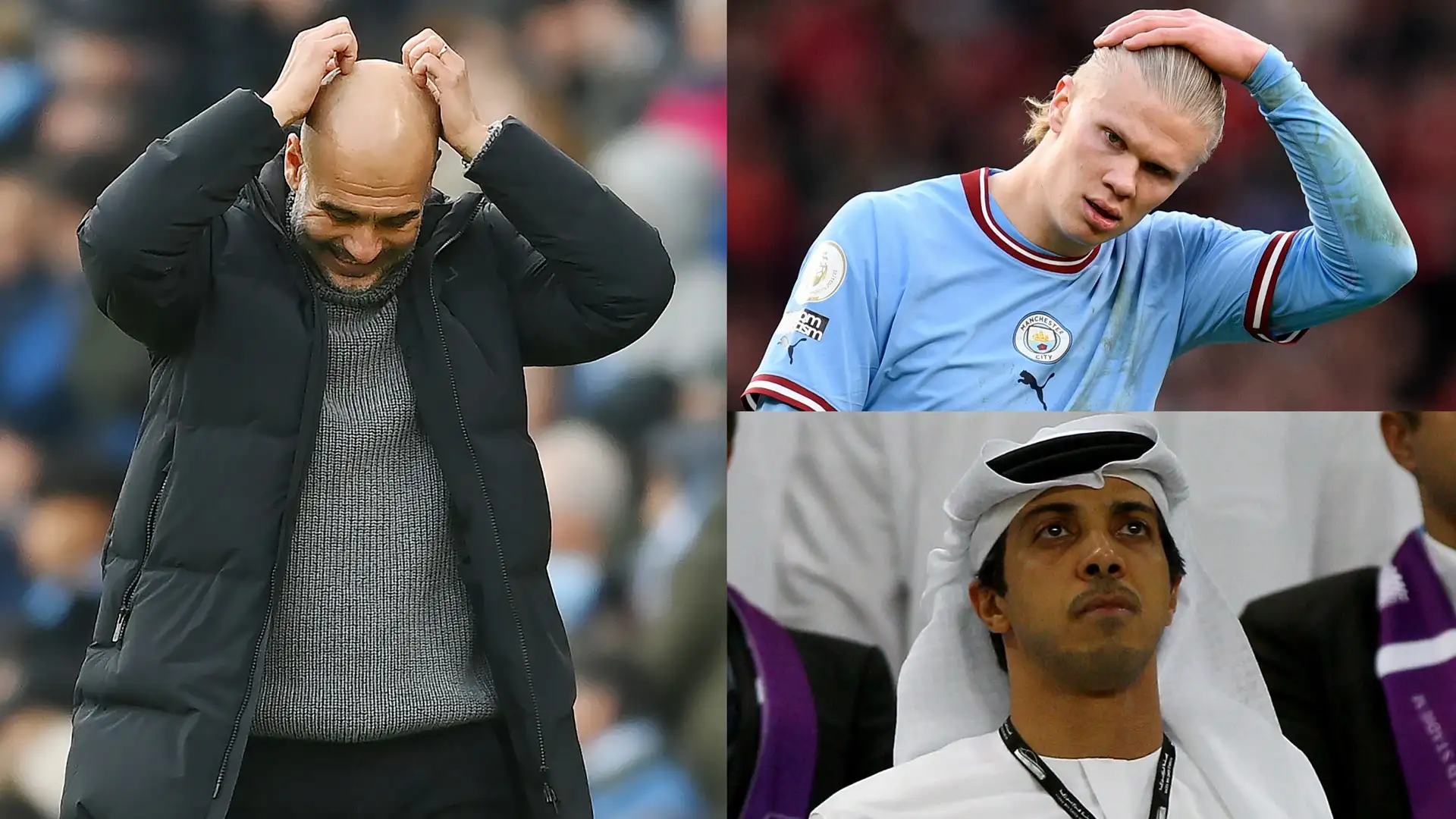


In summary, it appeared increasingly likely that Vitor Reis would make his move to Manchester City, with discussions continuing about whether the transfer would take place in January during the winter window or be postponed until the summer after the FIFA Club World Cup. While Palmeiras was initially hesitant to let the player go before that global event, Manchester City’s aggressive approach to negotiations and the desire to integrate Reis into their squad quickly seemed to push the deal toward completion in the near future. With discussions centering on the finer details of the transfer, including the fee and timing, all signs pointed to Reis eventually making the move to the Etihad Stadium, whether it would happen in the coming weeks or after a brief delay until the summer transfer window.
As Manchester City and Palmeiras continued to navigate the details of the transfer, it became evident that both sides were in a delicate balancing act. For Palmeiras, the priority was to maximize the value of Vitor Reis, who had shown immense potential as a young defender. The club was naturally eager to hold onto him until after the FIFA Club World Cup, where the Brazilian side hoped to perform well and perhaps even showcase Reis to a global audience. Such an event could have boosted his profile, potentially leading to a larger transfer fee or greater leverage in negotiations with other suitors.
However, Manchester City was not in a position to wait. With the ongoing demands of the Premier League, UEFA competitions, and other domestic cups, Pep Guardiola was looking to shore up his defensive options. City had been monitoring Reis for some time, impressed by his performances in Brazil and the potential he brought to the table. Guardiola was known for his ability to nurture young talent, and Reis was seen as a promising addition to the squad. The manager’s plans likely included integrating the Brazilian talent into the team swiftly, capitalizing on his development and ensuring he adapted quickly to the demands of English football.
City’s desire for an immediate deal likely stemmed from their ongoing pursuit of long-term success. With the winter transfer window opening, the Premier League leaders were keen on making moves to ensure they had the right depth in all positions. While the club had the luxury of time with Reis’ potential future development, the opportunity to sign a player of his caliber could not be overlooked. As much as Palmeiras had hoped to hold onto the defender, the urgency from Manchester City continued to push the negotiations forward.
The figures being discussed were significant, with the initial reports suggesting a fee between €30 million and €40 million. This amount reflected Reis’ promise as a young, highly-rated talent who had already impressed scouts from some of Europe’s top clubs. However, as the negotiations advanced, reports from UOL indicated that the total cost of the transfer, including potential bonuses, could rise to €45 million. This additional amount would be contingent on certain performance-related metrics, such as the player’s development and any potential future success with Manchester City. The inclusion of these performance bonuses was an indication of how highly City valued Reis, as they sought to further incentivize Palmeiras while also protecting their investment in the young defender’s future.
As the discussions between the two clubs progressed, it became clear that a compromise would be necessary. While Palmeiras was reluctant to part ways with their rising star before the FIFA Club World Cup, the lure of a substantial fee and the potential for future financial rewards in the form of bonuses made it more difficult for them to hold out. They were well aware that Manchester City, with its financial muscle and global stature, represented an opportunity for Reis to further his career and compete at the highest levels of European football. The prospect of playing under Guardiola, whose coaching philosophy has been lauded across the world, was another factor that made the move increasingly attractive to the young defender.
At the same time, Palmeiras’ management faced the challenge of balancing the club’s competitive aspirations with the financial realities of football. The decision to part ways with a player like Reis, especially one who was integral to their defensive setup, was not taken lightly. However, the financial windfall from a sale to a club like Manchester City could enable Palmeiras to reinvest in their squad, strengthen their roster, and plan for the future. In the modern game, these kinds of deals are becoming increasingly common, as clubs recognize the importance of financial stability and long-term planning.
As the discussions between Manchester City and Palmeiras continued, the two clubs appeared to be edging closer to an agreement. The critical sticking point, however, remained the timing of the transfer. City was eager to bring Reis in as soon as possible, while Palmeiras hoped to retain him for a little longer. The negotiations centered around finding a mutually agreeable date for the move, which could accommodate both clubs’ schedules and expectations.
In many ways, the situation reflected the complex and often delicate nature of football transfers, where multiple factors must be considered. Clubs have to balance financial considerations, player development, immediate team needs, and long-term strategic planning. While Manchester City was clearly determined to secure Reis’ services quickly, they were also willing to be patient and flexible in terms of the exact timing of the move. This reflected their understanding that such deals often require time to come to fruition, and their persistence was likely to pay off in the end.
As the winter transfer window continued, there was growing speculation that Reis would indeed make the move to Manchester City, either in the immediate future or after a brief delay. With the deal seemingly edging closer to completion, both clubs were focused on finalizing the remaining details, including the structure of the transfer fee, any bonuses or clauses, and the timing of the player’s arrival in England.
Ultimately, it seemed inevitable that Vitor Reis would be making the move to the Etihad Stadium at some point in the near future. Whether that would happen sooner, during the winter transfer window, or later, after the summer FIFA Club World Cup, was still uncertain. However, the direction of the negotiations was clear, with both clubs working towards a solution that would allow the young defender to continue his development while also helping Manchester City maintain its competitive edge in the Premier League and on the European stage.
As Manchester City’s officials worked diligently behind the scenes to finalize the deal, Reis, too, would likely have been considering the next steps in his career. The opportunity to join a club of City’s stature was undoubtedly an exciting prospect for the young Brazilian, and he would have been eager to embrace the challenge of competing at the highest level. His decision to move to England would mark a pivotal moment in his career, and the hope for both him and his new club would be that it would be the beginning of a successful partnership, one that would see him grow into a key player for Manchester City in the coming years.
Whether the deal occurred in January or after a short delay, it was clear that Reis was set to become a part of Manchester City’s future. The negotiation process was a reflection of the ever-evolving nature of modern football, where clubs must balance ambition with financial realities and timing, all while striving to secure the best talent to help them achieve their long-term goals. For both Manchester City and Palmeiras, the eventual transfer of Reis would represent a significant moment, one that would have lasting implications for both clubs as they looked ahead to the future.