Pep has issues, serious issues ‘Made a right fool of himself again ‘I wouldn’t bother interviewing the bloke anymore. He’s just an arrogant k ‘He’s a horrible person
The Premier League never sleeps, and on a cold Sunday night when football fans expected answers, they instead witnessed confusion, anger, and another chapter in the never-ending debate around referees, VAR, and Pep Guardiola. Manchester City travelled to North London to face Tottenham Hotspur in a match that had everything except calm. Goals, momentum swings, controversial decisions, furious reactions, and a post-match interview that quickly became the main talking point across social media. By the time the final whistle blew at 2-2, the football itself had almost become secondary to the storm that followed.
Manchester City arrived at the Tottenham Hotspur Stadium knowing the pressure was already heavy. Arsenal were sitting at the top of the Premier League table, and every dropped point now felt like a step backwards. Pep Guardiola’s side needed a win, not only for points but for confidence, belief, and control in a title race that was slowly slipping out of their hands. From the first whistle, City looked like a team with purpose, hunger, and clear intent.
The opening minutes were sharp, aggressive, and confident. City dominated possession, passed the ball with speed and accuracy, and pinned Spurs deep inside their own half. Tottenham struggled to get out, and the pressure finally told after just eleven minutes. Rayan Cherki, one of City’s most exciting new faces, found space just outside the box and finished with calm precision. The goal silenced the home crowd and sent a clear message that City had arrived to take control.
City did not slow down after scoring. They pushed higher, pressed harder, and forced Spurs into mistakes. Every City attack looked dangerous, every pass purposeful. Tottenham’s defenders looked uncomfortable, constantly chasing shadows as Guardiola’s system worked perfectly. Just before half-time, City struck again. Antoine Semenyo arrived at the perfect moment, timing his run and finishing confidently to make it 2-0. The timing of the goal hurt Spurs badly. Walking into the dressing room two goals down, they looked beaten.
For Manchester City, the first half felt like a statement. Calm, controlled, ruthless. Guardiola stood on the touchline with a composed expression, satisfied with what he was seeing. His players were executing his plan perfectly. At that moment, everything looked under control. But football has a cruel habit of changing in seconds, and the second half would tell a completely different story.
Tottenham returned from the break like a different team. The energy, aggression, and belief had returned. They pressed City higher, ran harder, and played with urgency. City, meanwhile, looked slower, less sharp, and slightly nervous. The rhythm they controlled in the first half began to fade. Spurs fans sensed something building, and the stadium slowly came back to life.
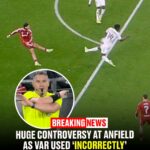
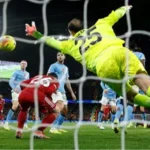
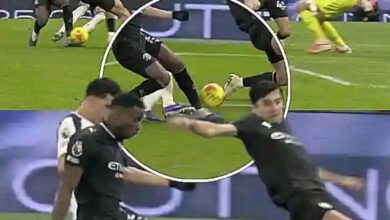
Dominic Solanke became the central figure of the comeback. His first goal of the season came after a chaotic moment in the box. As he attempted to shoot, Marc Guehi stepped in to block. There was contact. Solanke’s shooting leg collided with Guehi, and the ball ended up in the net. City players immediately protested, surrounding the referee, waving arms, shouting for a foul. Pep Guardiola jumped from his seat, furious, convinced his defender had been kicked from behind.
The referee, Robert Jones, waved away the protests. VAR checked the incident. After a review, the decision stood. The goal was first given as a Guehi own goal, then later changed and credited to Solanke. The Premier League Match Centre confirmed that Solanke had played the ball and that the challenge was not considered a foul. For Guardiola, this explanation meant nothing. From his point of view, the decision was wrong, and worse, it changed the entire game.
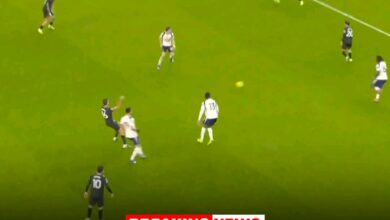
The goal lifted Tottenham completely. Confidence surged through the team and the crowd. City, who had looked so comfortable before, now looked uncertain. Passes went astray. Defenders dropped deeper. The control Guardiola demands had disappeared. Seventeen minutes later, Spurs completed the comeback in spectacular fashion. Solanke struck again, this time with an unbelievable scorpion kick that left everyone stunned. The stadium exploded. Tottenham were level. City were shaken.
From that moment on, City looked like a team trying to survive rather than dominate. Tottenham pushed for a winner. City tried to regain control but never fully did. When the final whistle blew, the score remained 2-2. For Spurs, it felt like a victory. For City, it felt like a defeat.
But the real drama started after the match.
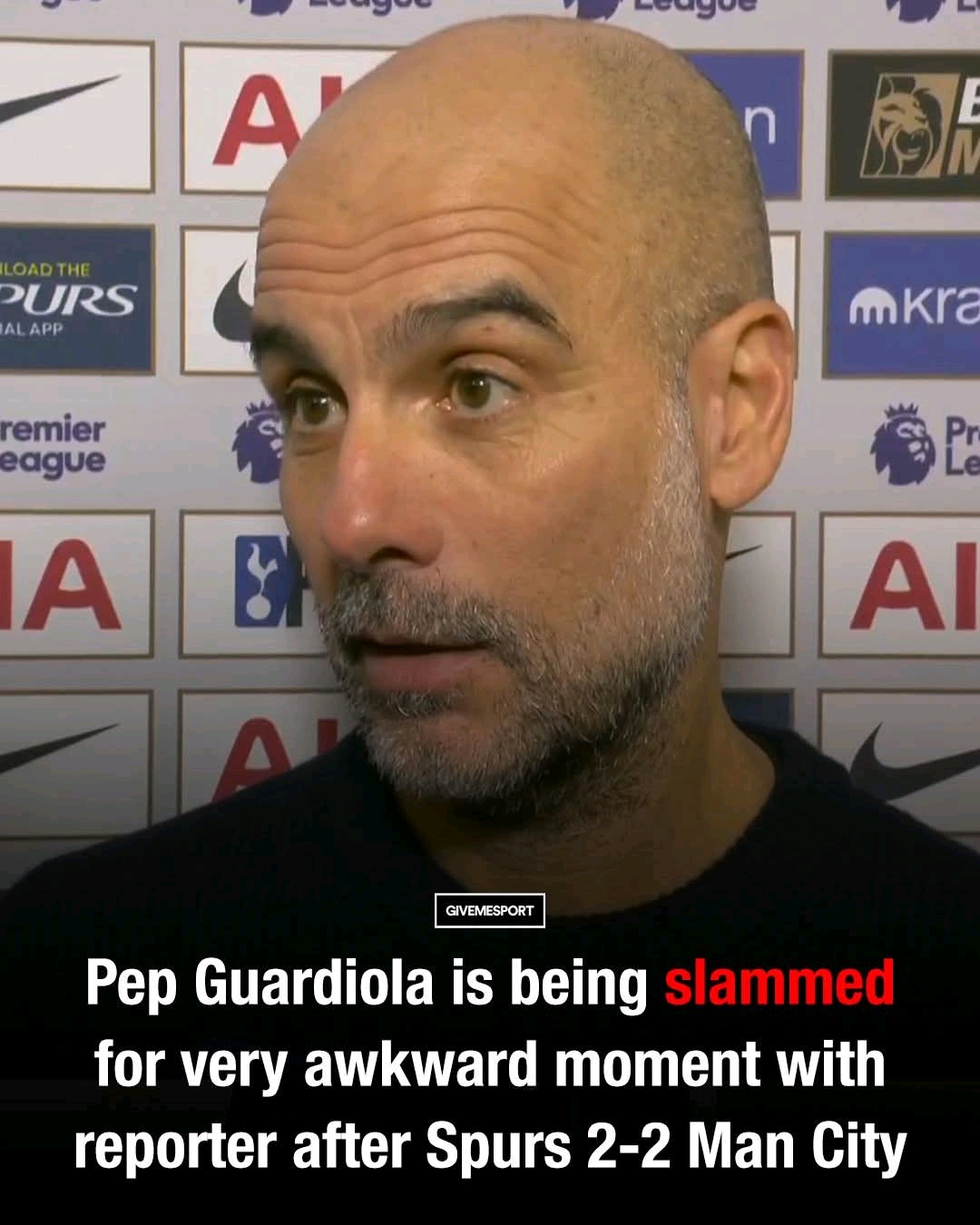
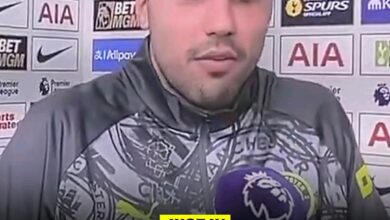
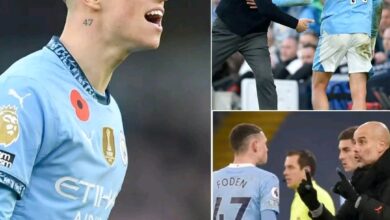
Pep Guardiola walked towards the cameras visibly angry. His face was tense. His body language spoke before he said a single word. When Sky Sports asked him about Solanke’s first goal, his response was cold, sharp, and dismissive. He questioned whether anyone had actually watched the incident. He said there was nothing to discuss. He claimed Guehi had the ball and was kicked from behind. His voice did not rise, but the frustration was obvious. He looked ready to walk away at any moment.
Guardiola did not stop there. He repeated his belief that the decision was wrong. He said it had happened again, suggesting a pattern, a frustration that had built over time. He ended his answer abruptly, leaving an awkward silence behind. The interview felt unfinished, uncomfortable, and tense. It did not take long for the clip to spread across social media.
Later, speaking to BBC Sport, Guardiola continued. He said that if the same challenge had happened to a striker, it would have been given as a penalty. He made it clear that he felt referees apply different standards depending on the situation. He stopped short of directly accusing officials, but his words were heavy with sarcasm and disbelief. He called it fascinating, but not in a positive way.
City players shared their manager’s frustration. They believed the goal changed the match completely. From 2-0 up and in control, they suddenly found themselves under pressure. Guardiola believed that allowing the goal gave Spurs belief and momentum. Within minutes, City were no longer leading, and two vital points were gone.
The result left Manchester City six points behind Arsenal at the top of the table. In a season where margins are already tight, dropped points feel heavier than ever. Guardiola knows this. That is why his frustration ran so deep. For him, it was not just about one decision. It was about control, fairness, and consistency.
However, while some agreed with Guardiola’s view of the incident, many fans turned their attention to his behaviour instead. Social media reaction was brutal. Some fans mocked his interview, calling it childish, arrogant, and embarrassing. Others said he had lost control and was making excuses. Several supporters suggested that interviewing him after matches had become pointless because of his reactions.
Comments flooded in. Some said he had serious issues. Others claimed he had lost the plot. A few went further, using harsh personal insults. While Guardiola is widely regarded as one of the greatest managers in football history, moments like this divide opinion. His passion is admired by some and criticised by others.
On closer inspection, the incident itself remained controversial. Replays showed clear contact between Solanke and Guehi. The Premier League explained that Solanke played the ball, which justified the decision. But for many viewers, the explanation did not fully remove the doubt. The debate over VAR, consistency, and interpretation continued, as it always does.
For Guardiola, this moment added to a growing sense of frustration this season. Injuries, tight schedules, pressure from rivals, and controversial decisions have all contributed to a tense atmosphere. He is not used to chasing. He is used to controlling. This City team, while still strong, no longer feels invincible.
The timing of the controversy made things worse. City now face Newcastle United in the League Cup, followed by a difficult trip to Anfield to face Arne Slot’s Liverpool. These are not easy fixtures. Momentum matters, and City do not have it right now. Guardiola knows that his team must respond quickly, both mentally and tactically.
Tottenham, on the other hand, took confidence from the draw. Coming back from two goals down against the champions sends a powerful message. Solanke, who had struggled for goals, suddenly became the hero. His scorpion kick will be replayed for months. His first goal will remain debated even longer.
As the dust settled, one thing was clear. This match will be remembered not just for the goals, but for the reaction. Pep Guardiola’s awkward, tense, and angry post-match interview became a symbol of the wider frustrations in modern football. VAR decisions, referee explanations, and emotional managers have become part of the weekly story.
Whether Guardiola was right or wrong about the decision may never be fully agreed upon. What is certain is that the moment exposed how thin the margins are at the top of the Premier League. One decision, one goal, one swing of momentum can change everything.
For Manchester City, the title race is now harder. For Pep Guardiola, the pressure is rising. For fans, the debate continues. And for the Premier League, another controversial night has been added to its long and dramatic history.
The football world moves on quickly, but moments like this linger. The images of Guardiola shaking his head, walking away from the interview, and questioning the decision will remain. Whether this fuels a response or deepens the frustration is something only time will tell. But one thing is certain. This was not just a 2-2 draw. It was a reminder that in football, control can disappear in seconds, and emotions are never far from the surface.