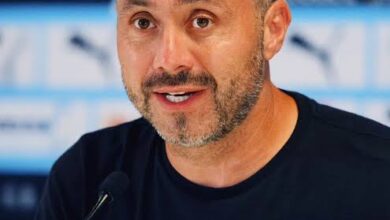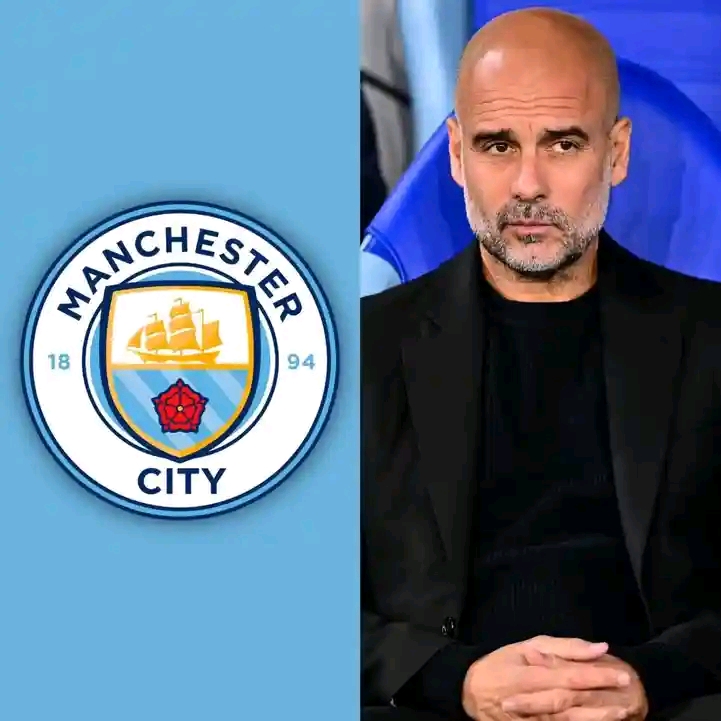
Is Pep Guardiola getting ready to leave Manchester City? Right now, only he truly knows the answer. And maybe not even him.
For months now, the question has been floating around the Etihad Stadium like a quiet storm waiting to explode. Nobody is saying it loudly inside the club offices. Nobody is standing in front of cameras confirming it. But everyone feels it. Something is changing. Something is different.
If Guardiola already knows that this is his final season in Manchester, he is not telling anyone. Not the players. Not the media. Not even some of the most powerful executives inside the club. The people at the top of City are aware of the speculation. They hear the whispers. They read the stories. They know rival executives are talking. Agents are talking. Players are talking. And the message spreading across European football is simple: this could be the beginning of the end.
Guardiola is now 55 years old. He arrived in Manchester in 2016 after leaving Bayern Munich. At that time, City fans believed they were welcoming a genius. A coach who had already changed football forever with FC Barcelona. A manager obsessed with details. Obsessed with control. Obsessed with beauty in the game.
Now, nearly ten years later, the idea that it might be ending feels almost unreal.
Guardiola still has 16 months left on the contract he signed in November 2024. That deal runs until 2027. On paper, everything looks secure. Everything looks calm. He signed for two more years when many people expected just one. That surprised even some figures inside the Etihad.
At the time, the feeling was that he might extend for one more season, reach ten full years at the club in 2026, and then walk away with a perfect round number. Ten years. A decade. A full cycle. But instead, he signed until 2027.
That extra year raised questions. Was it a sign of long-term commitment? Or was it protection? A buffer? A way to give the club stability while he decided quietly in his own mind?
Whenever journalists ask him about his future, he shuts the conversation down immediately. He does not entertain it. He does not play with it.
“I have a contract,” he repeats again and again.
He says it almost like a shield. Like armor. As if the paper signed in November 2024 is enough to stop all speculation.
But contracts in football do not always mean permanence. Especially not with Guardiola. He has never been the type of manager to stay twenty years at one club like Alex Ferguson did at Manchester United. He is not Arsene Wenger at Arsenal. Guardiola works in cycles. Intense cycles. He builds, dominates, exhausts himself, and then moves on.
That is his pattern.
What makes this moment feel different is not just the contract. It is his mood.
Over the past few weeks, something has shifted.
It began after a tense night at St James’ Park. City were playing against Newcastle United in the Carabao Cup semifinal first leg. There was drama. There was VAR. There was anger. A goal situation involving Antoine Semenyo sparked frustration.
Guardiola rarely criticizes referees openly. Especially after wins. But this time, after a 2-0 victory, he spoke. Not just about that night. He went back weeks. He referenced previous decisions. He mentioned the league defeat at Newcastle earlier in the season. He even brought up the FA Cup final loss to Crystal Palace months earlier. He talked about a moment involving Dean Henderson.
It felt unusual.
Then he did it again after beating Wolverhampton Wanderers. More comments. More reflections.
Before the second leg against Newcastle, he expanded even further. He spoke not only about football. He mentioned global conflicts. He referenced Palestine, Sudan, Ukraine. He spoke about tragedies far away from Manchester.
When Guardiola starts widening the conversation beyond tactics and formations, people notice.
He also began doing something else.
He started smiling differently in press conferences. When he delivered a strong quote, he would say, “Nice quote, eh?” He began calling journalists by name. He took extra questions even when the club media staff were trying to end the session.
It felt like a man aware of his voice. A man conscious that maybe this platform will not last forever.
Is that proof he is leaving? No. But it fuels the fire.
There is a memory in English football that makes this story even more dramatic. In 2013, Alex Ferguson saw his Manchester United team knocked out of the Champions League by Real Madrid after a controversial red card for Nani. Ferguson was furious. Distraught. He refused to attend the post-match press conference. Later, it became clear that he had already decided to retire at the end of that season. The Champions League had been his final dream.
Some observers are now wondering: is Guardiola feeling something similar?
Despite everything he has won, despite building one of the most dominant teams in English football history, he still burns with desire. You could see it when City secured another Carabao Cup final appearance. His celebrations were not calm. They were wild. Passionate. Like a young coach chasing his first trophy.
“I’m getting old,” he joked recently. But his energy says something else.
Reaching finals still means everything to him. He talks about how difficult it is. How modern sport is brutal. How you must sweat for every success.
That hunger has not faded.
Inside Manchester City, the executives have always known this day would come. They love Guardiola. He is their most successful manager ever. But they understand he is not built for a twenty-year reign.
The club takes comfort in one important belief: whenever he decides to go, he will tell them early enough to prepare properly. The relationship between Guardiola and the board has always been strong. Respectful. Honest.
They have already experienced major departures. Txiki Begiristain moved on. Omar Berrada left. Key figures in recruitment have changed. Important players have left and been replaced.
But Guardiola is different.
Replacing a director is difficult. Replacing the architect of an era is something else entirely.
There have even been whispers linking former assistant coaches to possible futures. When tension rose between Enzo Maresca and Chelsea earlier in the season, rumors surfaced that Maresca had spoken to City figures. Nothing official. Nothing confirmed. But not strongly denied either.
Usually, uncertainty around a manager scares potential signings. Players want stability. They want clarity. They want to know who will lead them.
Yet in January, City still signed top Premier League talent like Antoine Semenyo and Marc Guéhi. The club quietly highlighted that both players chose City despite knowing the speculation around Guardiola.
That was important.
It suggested that Manchester City is now bigger than one man.
Or at least, that is what the club wants to believe.
Still, history offers a warning.
Manchester United have never truly recovered from losing Ferguson. Thirteen years later, they are still searching for consistent dominance. That shadow remains long.
City believe they are better prepared. They believe their structure is stronger. They believe their planning is more modern.
They also feel more comfortable about a possible exit this summer compared to last year. Installing a new manager during a summer complicated by the FIFA Club World Cup would have been chaotic. Now, the timing feels cleaner. More manageable.
But here is the truth about Guardiola. He is not someone who spends months carefully analyzing his feelings. He trusts instinct. He makes big decisions quickly. Sometimes based on emotion. Sometimes based on energy levels.