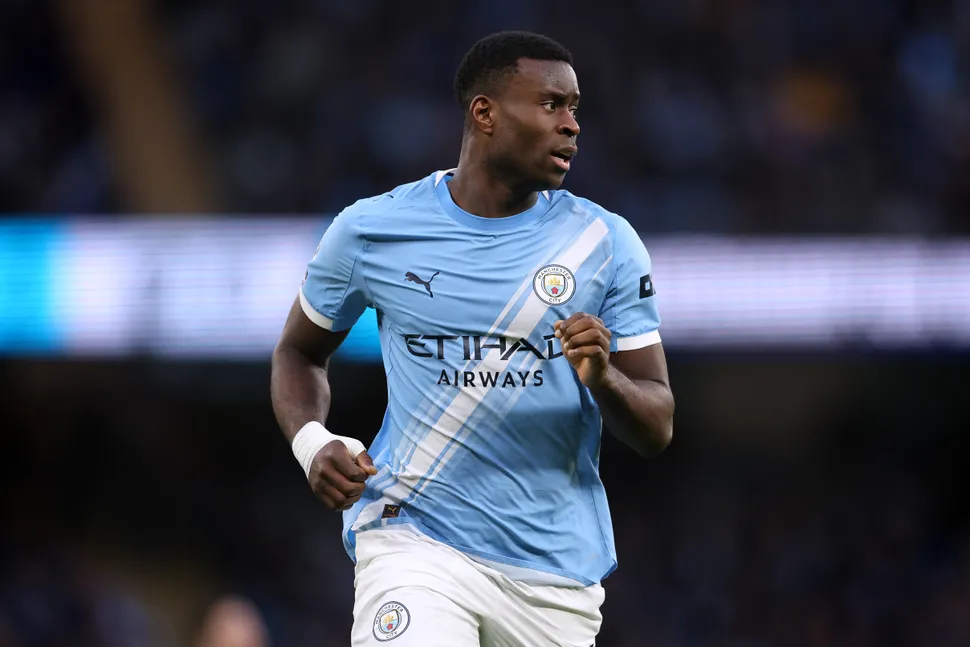
When the centre back finally walked through the doors of the Etihad Stadium on January 19, there was a quiet sense that something important had just happened at Manchester City. It was not the kind of signing that came with fireworks, massive headlines, or endless social media noise. Instead, it felt calculated, deliberate, and serious. Pep Guardiola does not sign defenders for attention. He signs them because he sees something others might miss, something that fits his football brain and his long-term vision. From the moment the deal was confirmed, those close to the club knew this was not a panic buy or a short-term fix. This was a player City believed could immediately step into pressure, expectation, and responsibility.
The timing of his arrival mattered. January is not an easy month to join any club, especially one fighting on multiple fronts. Players arrive mid-season, with no pre-season, no time to slowly settle, and no space for mistakes. Yet within just five days of signing, the centre back was already in the starting eleven for a Premier League match against Wolves. That decision alone told its own story. Guardiola does not rush players unless he trusts them. He does not gamble with defenders unless he believes they are mentally ready. Starting him so quickly was a clear message, not just to the fans, but to the squad as well.
That Wolves match ended in a 2-0 victory, but the scoreline did not fully explain what happened on the pitch. City were calm, controlled, and confident, and the new defender looked like he had been there for years. He did not play with fear. He did not hide. He demanded the ball, stepped forward with confidence, and showed composure under pressure. Wolves tried to test him early, pressing and running into his zone, but he responded with maturity. He read danger early, positioned himself intelligently, and kept the defensive line organised. It was the kind of debut that does not scream for attention but earns quiet respect.
Five days earlier, he had been learning names and routines. Now, he was already part of a clean sheet in a league where mistakes are punished instantly. That is not normal. That is not luck. That is preparation meeting opportunity. Guardiola watched from the touchline, calm as ever, but inside he knew he had made the right call. This was exactly why the club moved quickly in January.
His second appearance came in a much more difficult test. A trip to Tottenham Hotspur Stadium is never comfortable for City. History alone makes it challenging. Spurs always seem to raise their level against Guardiola’s side, and the atmosphere is hostile, intense, and emotional. The game ended 2-2, a result that frustrated City but also revealed more about their new signing. If Wolves tested his basics, Tottenham tested his character.
From the opening minutes, Spurs attacked with pace and aggression. Transitions were fast. The crowd was loud. Every mistake was punished with noise. In these moments, defenders can panic. They can drop too deep, lose their line, or make rushed decisions. The new centre back did none of that. He stayed composed, communicated constantly, and showed leadership beyond his short time at the club. Even when City were under pressure, he did not stop asking for the ball. That courage matters more than any tackle.
The draw itself felt disappointing because City always aim for wins, but within that frustration there were positives. Guardiola does not just judge players on results. He judges them on decisions, positioning, and mental strength. In a tough away game, under pressure, the defender proved he belonged at this level. Two games in, and already he looked like part of the system, not an outsider.
His arrival also symbolised something bigger about Manchester City’s January transfer strategy. He was the club’s second signing of the window, following the arrival of Antoine Semenyo from Bournemouth. Together, the two signings told a story about balance and planning. Semenyo brought energy, directness, and unpredictability in attack. The centre back brought calm, control, and security at the back. Guardiola was not chasing headlines. He was strengthening the spine of his team.
January windows are dangerous. Many clubs panic, overspend, or bring in players who do not truly fit. City did none of that. They identified specific needs and acted quietly. Semenyo offered a different option going forward, someone who could stretch defences and bring physical presence. The defender offered reliability, intelligence, and the ability to play out from the back, which is essential in Guardiola’s system. Both players arrived with something to prove, and both arrived hungry.
What makes the defender’s story even more interesting is the context of City’s season. This is not a team cruising comfortably in one competition. This is a team fighting on four fronts. Premier League, Champions League, FA Cup, and domestic cups all remain in play. The schedule is brutal. Injuries are inevitable. Rotation is essential. Guardiola knows that without depth, even the best teams collapse under pressure.
By bringing in a centre back who can start immediately, City gained flexibility. Guardiola now has options. He can rotate without weakening the team. He can manage minutes. He can protect players from burnout. That matters deeply in the second half of the season, when trophies are decided not by talent alone, but by energy and availability.
There is also a psychological effect when new players arrive and perform well. The squad feels competition. Standards rise. Nobody feels comfortable. That is exactly how Guardiola likes it. Complacency is the enemy of success. By inserting new hunger into the dressing room, City keep themselves sharp.
The defender’s quick adaptation also highlights something often overlooked in modern football. Intelligence matters as much as physical ability. Guardiola’s system demands defenders who can think quickly, read space, and make decisions under pressure. It is not enough to be strong or fast. You must understand angles, timing, and movement. From his first two games, it was clear he understood those demands.
Fans noticed it too. Social media reactions after the Wolves game were positive, but after Tottenham, respect grew. Supporters appreciate defenders who stay calm in chaos. They value players who do not hide when things get difficult. In a team full of stars, earning respect as a new defender is not easy, but he did it quickly.
Antoine Semenyo’s arrival also deserves attention in this story. Coming from Bournemouth, he arrived with a point to prove. Some questioned whether he could handle the step up to a club like City. But Guardiola saw something different. He saw potential, work rate, and adaptability. Semenyo brings power and unpredictability, qualities that can change games late on or stretch deep defensive blocks.
Together, the two January signings represent Guardiola’s belief in evolution rather than revolution. City are not rebuilding. They are refining. They are adjusting small details to stay ahead. That mindset is why they remain one of the most feared teams in Europe.
The centre back’s journey at City is only just beginning, but the early signs are promising. Two appearances, two demanding tests, and two solid performances. No panic. No mistakes. No drama. Just professionalism. In a Guardiola team, that is the highest compliment.
Looking ahead, his role is likely to grow. Injuries will happen. Big games will arrive. Champions League nights will demand calm heads. Guardiola will not hesitate to trust him again. Trust, once given by Guardiola, is earned through understanding and discipline. Losing it is easy. Keeping it requires consistency.
City’s push for trophies this season will not be decided by flashy moments alone. It will be decided by players like this centre back, who do the unseen work, who make the right decision quietly, who prevent danger before it becomes visible. Football headlines rarely celebrate that, but managers do.
The 2-2 draw at Tottenham felt like a setback, but seasons are not built on single results. They are built on responses, resilience, and squad depth. With the January additions settling quickly, City look better equipped to handle what lies ahead. Guardiola knows that margins decide everything at this level. One injury, one mistake, one tired performance can change a season. That is why these signings matter so much.
For the centre back, joining City in January was a risk. He could have waited until summer. He could have chosen an easier path. Instead, he stepped straight into pressure. That choice speaks volumes about his mentality. He wanted the challenge. He wanted responsibility. He wanted to prove himself at the highest level.
So far, he has done exactly that. From arriving on January 19, to starting against Wolves, to standing firm at Tottenham, his story is already forming. It is a story of preparation meeting opportunity, of calm in chaos, and of trust earned quickly.
As the season moves into its decisive phase, Manchester City will rely on every single member of their squad. Trophies will not be won by eleven players alone. They will be won by depth, mentality, and moments of quiet excellence. The centre back, alongside Antoine Semenyo, has already shown that he is ready to play his part in that journey.
The pressure will increase. Expectations will rise. Mistakes will be magnified. But if his first two games are anything to go by, he has the mindset required to survive and succeed at Manchester City. Guardiola saw that before anyone else. Now the rest of the football world is beginning to see it too.