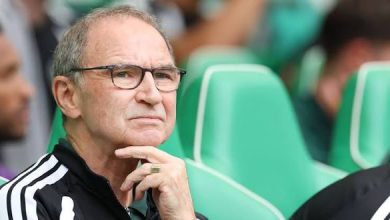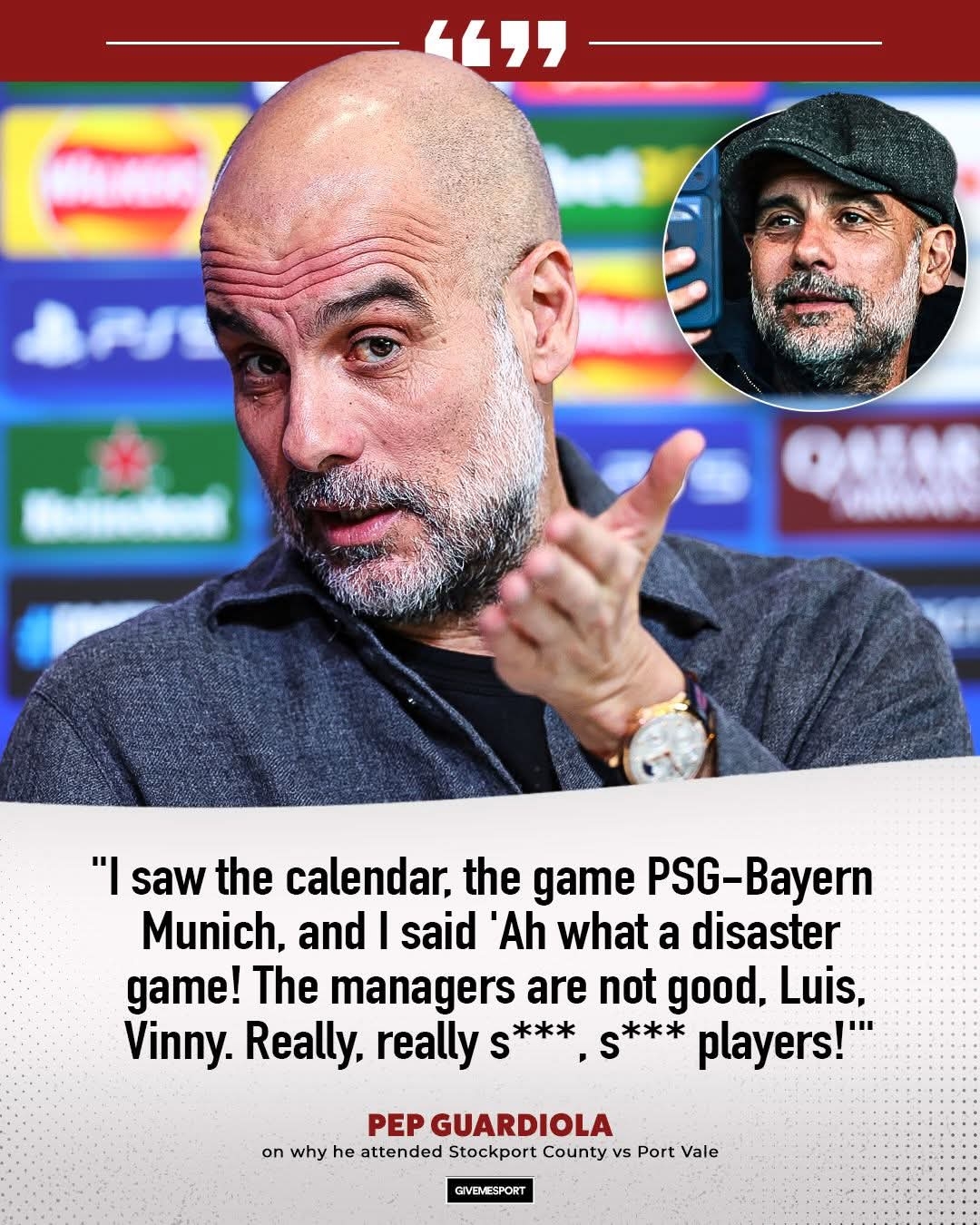
Football is a game of passion, pressure, and power, but behind all the goals, trophies, and celebrations, there is another side that many fans are starting to understand more clearly than ever before. That side is money. Big money. The kind of money that changes careers, shapes decisions, and determines who rises and who falls in the modern game.
And when it comes to managers, the people standing on the touchline, shouting instructions, making big calls, and carrying the weight of entire clubs on their shoulders, the rewards have never been bigger.
The pressure is brutal. One bad run of results and everything can collapse. Fans turn. Media attacks. Owners lose patience. Jobs disappear overnight. But for those who survive at the top, the rewards are massive. We are talking about millions of pounds every year. Life-changing money. Legacy-defining money.
This is the world of elite football management in 2026.
And when you look at the list of the highest-paid managers in the world, you begin to understand just how much clubs value leadership, experience, and the ability to win.
At number 20 on that list is Jose Mourinho, a name that has defined football for over two decades. His return to Benfica is more than just a job. It is a story of unfinished business. A full-circle moment. From where it all started to where he now hopes to leave one final mark.
Mourinho is earning around £5 million per year. For many, that is an unbelievable amount of money. But in football terms, especially for a manager of his history, his trophies, and his personality, it almost feels modest.
Because this is a man who has managed giants like Chelsea, Real Madrid, Manchester United, and Inter Milan. He has won league titles, Champions Leagues, and built a reputation as one of the most charismatic and controversial managers in football history.
Now, at 63, he returns home. Not for money. Not for fame. But for legacy.
Just above him is Thomas Tuchel, now leading England. His salary is also around £5 million per year, but his task is completely different. Managing a national team is not about daily control. It is about moments. Big tournaments. Huge expectations.
England has not won a major trophy since 1966. That is decades of pressure sitting on Tuchel’s shoulders. But he is not new to winning. From Chelsea to Bayern Munich, he has shown he can deliver success.
And if he ends England’s long wait, that £5 million will look like the best investment ever made.
Then there is Manuel Pellegrini at Real Betis, earning £5.2 million per year. A calm, experienced figure who has quietly built strong teams wherever he goes. He may not always dominate headlines, but his results speak loudly.
At Newcastle United, Eddie Howe earns £6.1 million per year. His journey is one of growth and belief. From small beginnings at Bournemouth to leading one of the richest projects in world football, he represents a new generation of English managers.
The expectations at Newcastle are huge. The money is there. The ambition is clear. And Howe is the man trusted to deliver it all.
In Saudi Arabia, the money becomes even more serious.
Jorge Jesus, now at Al-Nassr, is also earning £6.1 million per year. But his role is unique. He is managing global superstars, including Cristiano Ronaldo, in a league that is growing fast and attracting worldwide attention.
The Saudi Pro League has changed football economics. It has forced Europe to react. It has increased wages across the board. And it has made the competition for top managers even more intense.
Then comes one of the most interesting names on the list, Vincent Kompany at Bayern Munich. Earning £6.1 million per year, his rise has been rapid.
From relegation with Burnley to leading one of the biggest clubs in the world, his story shows how quickly football can change. And the fact that Bayern trusted him, and paid heavily to bring him in, shows just how much belief they have in his potential.
At Barcelona, Hansi Flick earns £6.5 million per year. A proven winner. A man who understands how to build dominant teams. And now, he is shaping a new era at one of football’s biggest clubs.
Young talents, attacking football, and big expectations. That is the Barcelona project under Flick.
Then we move to Liverpool, where Arne Slot earns £6.6 million per year. Replacing Jurgen Klopp was never going to be easy. Klopp was more than a manager. He was a symbol. A leader. A connection between club and fans.
Slot started strongly, even delivering success early on. But football does not wait. Expectations remain high. And now, he faces pressure to prove that he is the right man for the long term.
At Tottenham Hotspur, Roberto De Zerbi earns £8 million per year. His job might be one of the hardest in football right now. A club full of potential but struggling for direction. A team that needs rebuilding. A fanbase desperate for success.
De Zerbi is known for his attacking style, his bold ideas, and sometimes his fiery personality. Tottenham is a test of all of that.
And then there is Unai Emery at Aston Villa, also earning £8 million per year. Once underestimated, now fully respected. His work at Villa has been incredible. Turning them into a team that competes in Europe, challenges top clubs, and plays with confidence.
His story is proof that reputations can change. That patience and hard work can lead to success.
But as we move further up the list, the numbers become even bigger. The expectations become even higher. And the pressure becomes almost unbearable.
Because at the very top of football management, there is no hiding.
Every decision is analysed.
Every mistake is criticised.
Every success is expected.
Managers like Pep Guardiola, Carlo Ancelotti, and others at the very peak are not just coaches. They are leaders of global institutions.
They control dressing rooms filled with superstars.
They represent clubs worth billions.
They carry the hopes of millions of fans.
And for that, they are paid accordingly.
But here is the truth that many people do not talk about enough.
The money does not remove the pressure.
If anything, it increases it.
Because the more you earn, the more is expected from you.
If a manager earning millions fails, the criticism is louder.
The sack comes faster.
The fall is harder.
That is why football management is one of the most difficult jobs in the world.
It is not just about tactics.
It is about leadership.
It is about psychology.
It is about handling egos, pressure, media, and expectations all at once.
And doing it every single day.
The list of the highest-paid managers in 2026 is not just about money.
It is about power.
It is about trust.
It is about who clubs believe can deliver success when it matters most.
From Mourinho’s emotional return, to Tuchel’s international mission, to the rising influence of leagues like Saudi Arabia, everything is changing.
Football is evolving.
The money is growing.
The pressure is rising.
And the managers are right at the centre of it all.
Because at the end of the day, no matter how much players earn, no matter how big the clubs become, one thing remains true.
When things go wrong, it is the manager who faces the consequences.
And when things go right, it is the manager who builds the legacy.
That is why they are paid so much.
That is why they are always under pressure.
And that is why football will never stop searching for the next great leader.