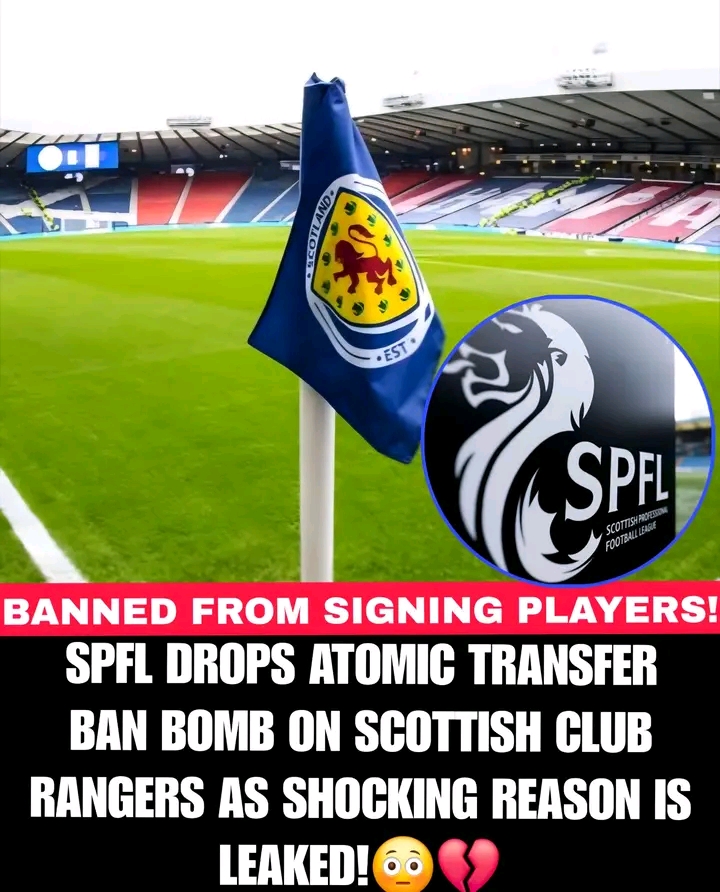
Few punishments in Scottish football history have stirred as much anger as the transfer embargo handed to Rangers in 2012. At the time, the Glasgow giants were already in freefall. The club had entered administration, been docked ten points, and watched its three-year title run collapse. Then the Scottish Football Association delivered another blow: a 12-month ban on registering any player aged over 17, plus fines totalling £160,000.
The reason was not on-field misconduct. It came from the club’s financial implosion under owner Craig Whyte. An SFA inquiry found that Whyte was not a fit and proper person to hold office, and he was banned from Scottish football for life and fined £200,000. Rangers themselves were found guilty of bringing the game into disrepute, largely over unpaid tax, and were fined £100,000 for that alone. Further penalties covered the club suffering an insolvency event and failing to make sure Whyte met the fit and proper rules. The club’s debts were estimated at well over £100 million, with a huge tax bill hanging over everything.
Reaction was fierce. Rangers’ administrators called the sanctions “draconian” and warned that a signing ban would seriously undermine efforts to rebuild a club that had been rendered insolvent. Manager Ally McCoist said the club could not cope with it, suggesting that players might leave if the squad could not be strengthened. The ban also threatened the sale of the club, since a leading bidder had said his offer depended on avoiding penalties.
Not everyone sympathised. Commentators pointed out that Rangers had gone two seasons without signing anyone under Walter Smith and still won the league, and they described the doom-laden warnings as a pressure tactic aimed at the governing body.
Then came the legal twist. Rangers took the SFA to the Court of Session in Edinburgh, and the judge ruled that the disciplinary panel had acted outside its powers, because the punishments available under the disrepute rule did not include a transfer ban. For a moment, the embargo was dead. But the club’s liquidation and the creation of a new company changed everything. The SFA made it clear that the new Rangers would have to accept the embargo as a condition of taking over the old club’s membership. The new owners agreed, and the ban ran from 1 September 2012 to 31 August 2013, while the club started again in the Third Division.
The episode left lasting questions about governance, punishment and how far a governing body can go when a famous club is in trouble. It also showed that in Scottish football, financial mismanagement can cost a club far more than money.