What happened at Anfield on this cold December night felt like a mixture of shock, frustration, tension, fear and confusion wrapped inside one football match that Liverpool fans will not forget quickly. It was supposed to be a simple game, a game Liverpool needed to win, a game they expected to win, a game that was meant to show growth after the small spark they produced against West Ham. But instead, it turned into another emotional storm, another fight, another dramatic night where the fans begged for dominance while Sunderland arrived with a knife between their teeth, ready to fight for every blade of grass. This was not what Arne Slot imagined when he stepped into Anfield months ago. It was not what the Liverpool supporters expected when the stadium lights came alive. But football is always unpredictable, and this was one of those matches that exposes everything—pressure, weaknesses, fading legends, frustrated stars, and rising doubts.
The talk before the match was already loud because everyone noticed something strange and unsettling. Mohamed Salah was missing from the starting eleven again. It was the second straight Premier League match without the Egyptian King in the lineup, and for many fans, it felt like the beginning of a new story—a story that nobody was ready to accept. Some said Slot was being brave. Some said he was being stubborn. And some said he was simply preparing for life after Salah, a future Liverpool fans have feared for years. Even before kick-off, the tension was visible in the air like mist floating above the pitch, and every eye inside Anfield watched how the players walked out, waiting to see if tonight would be the night Liverpool finally reminded everyone who they are.
But what they saw was something different. Something confusing. Something that raised eyebrows. Because while Salah sat on the bench looking quiet, Florian Wirtz stepped onto the grass with the confidence of a young star ready to prove he deserves the spotlight. Slot had chosen him again instead of Salah, and that decision alone made the match more dramatic than usual. Some fans whispered that Slot was forcing a new era. Some whispered that something was wrong between Salah and the manager. Some whispered that Salah had already accepted his future away from Anfield. These whispers grew louder with every passing minute.
Liverpool started the match with energy, but not enough sharpness. Sunderland came with belief, with discipline, with a plan, and they refused to be intimidated by Anfield. They were not scared. They were not shaken. They looked ready for a battle from the first whistle, and every attack they made came with courage. And while Liverpool tried to move the ball quickly, they kept struggling with decision-making in the final third. Wirtz had moments of brilliance, moments where he twisted, turned and tried to play with creativity, but that final killer touch was missing again—just like last week.
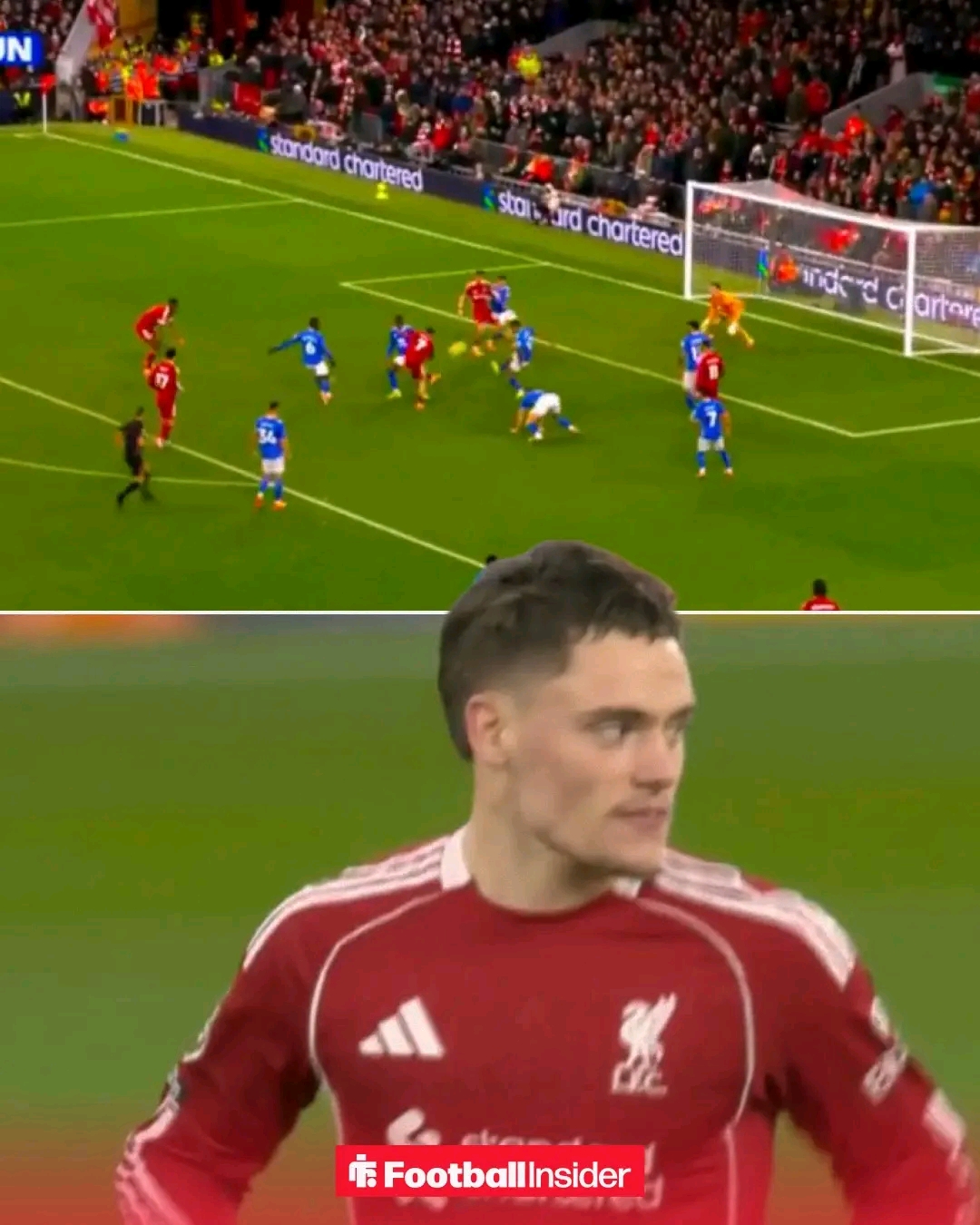
The first big chance of the match fell to Wirtz after a chaotic scramble in the box, the kind of moment where the ball bounces around like it has its own mind. The ball eventually dropped in front of the German, and for a second the entire stadium froze, expecting him to finally break his Premier League drought. But instead of a calm, ruthless finish, his shot lacked conviction and Sunderland survived again. Some fans groaned. Some held their heads. Some clapped to encourage him. But deep inside, everyone felt the weight of the miss. For Wirtz, the pressure is growing every week. He came into Liverpool with a big reputation, and the fans want to see him shine. But the Premier League is unforgiving, and tonight was another test.
Sunderland grew stronger as the game continued, and Liverpool’s defending kept looking unstable. Alisson almost gifted the Black Cats a shocking goal when he tried to palm away a long-range strike from Sadiki but instead tapped the ball awkwardly onto the crossbar. The stadium gasped. Alisson looked frustrated. Slot looked worried. The fans looked confused. This was not the Liverpool they knew. This was not the Liverpool that used to dominate opponents at home. This was a team trying hard but not flowing naturally, a team caught between transition and expectation.
When the first half ended goalless, Sunderland walked into the tunnel smiling. Liverpool walked in shaking their heads. Slot walked in knowing he had to make a decision. And that decision was to release Salah into the battlefield. The Egyptian stepped onto the pitch after the break, replacing Gakpo, and suddenly the entire atmosphere changed. Fans cheered loud even though they were worried about his recent form. Salah walked in with a serious face, a man who has heard the conversations, the doubts, the debates, and the criticisms. Tonight, he needed to remind everyone who he is. But football does not always listen to feelings.
Within minutes of coming on, Salah almost cost Liverpool a goal with poor defending at the near post during a Sunderland corner. He failed to attack the ball. He failed to react. He failed to mark his man. Alderete escaped him easily and headed the ball against the post. Salah turned back too late. The fans sighed again. It felt like the mood around him was changing too quickly. It felt like everything he did was being judged with double weight. And that is the painful reality when a legend goes through a difficult period.
But if Salah struggled defensively, Virgil van Dijk struggled even more. The Liverpool captain, the man who built a wall in front of this club for years, is going through the toughest form of his Liverpool career. Mistakes that used to be rare have now become frequent. And tonight, he added another to the list. Sunderland pressed him high, and instead of clearing the ball or making a decisive pass, he hesitated. He switched off for a moment. He gave the ball away cheaply. And before he could recover, Talbi struck a shot from the edge of the box that deflected off Van Dijk and rolled into the bottom corner. The Sunderland fans exploded with noise. The Liverpool fans fell silent. And Van Dijk stood there, disappointed, frustrated, not the defender the world once fearedIt felt like Liverpool were sinking again. Slot looked like a man fighting with time. The players looked like they were running against their own thoughts. Anfield looked nervous. And Sunderland smelled blood, pressing even harder, running even faster, and believing more with every minute.l
Wirtz, who had suffered all night, who had missed chances, who had been criticized for weeks, suddenly found a moment of magic, luck, and persistence combined. He danced through tight spaces inside the box, twisting and turning with determination, and struck the ball with his left foot. The shot took a huge deflection, flew into the top corner, and Anfield roared—but the joy did not last long. The Premier League’s goal panel later took the goal away from him and counted it as an own goal. It felt cruel. It felt unfair. It felt like the football gods were teasing him again. But at least the ball went in. At least Liverpool had equalized. At least the fight was not over.
The final stretch of the match was full of chaos, full of desperate tackles, full of roars from both sides. Sunderland almost stole the win. Liverpool almost turned it around. But in the end, the match finished 1–1. And for Liverpool, the result felt like a defeat. For Sunderland, it felt like a victory. For Slot, it felt like pressure. For Salah, it felt like another heavy night. And for Wirtz, it felt like a step forward and a step backward at the same time.
But outside the pitch, the story was even louder. The story of Salah’s benching. The story of Slot’s decisions. The story of internal tension. The story of Liverpool’s decline. The story of big clubs sniffing around Salah. The story of the future nobody wants to admit is close