Steven Gerrard eyed for blockbuster job as ‘perfect’ Rangers theory put to the test

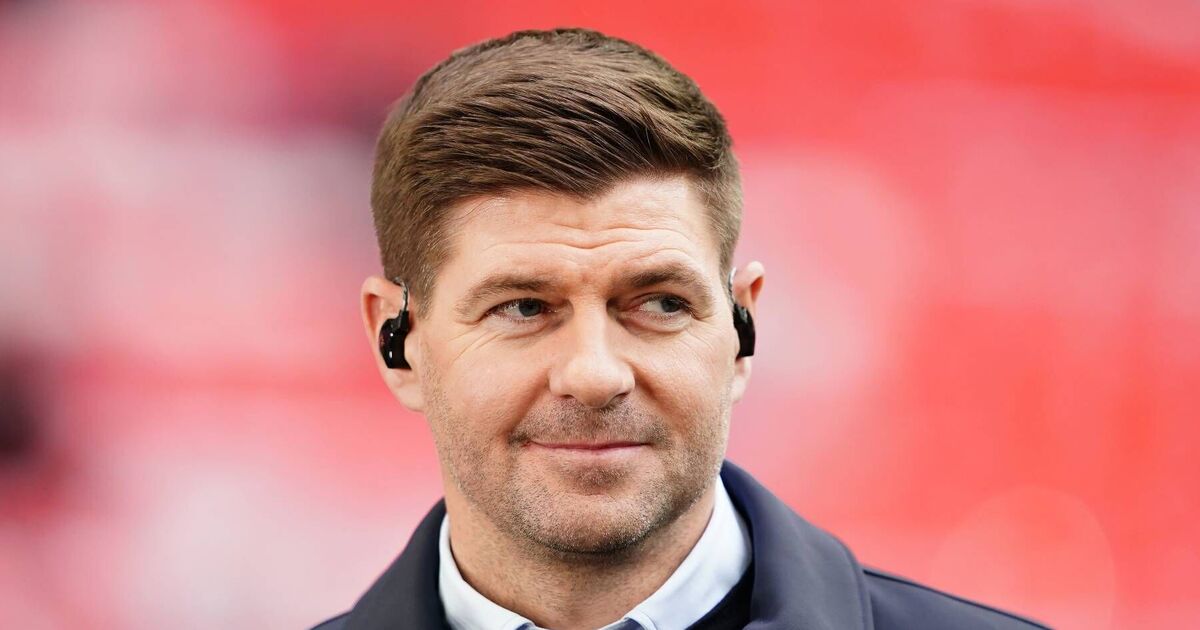
Steven Gerrard is once again being linked with a potential blockbuster job as fresh questions emerge about whether the former Rangers manager could be the perfect man to lead the club into another new era. The Liverpool legend remains a popular figure among sections of the Rangers support, and the possibility of seeing him return to Ibrox continues to attract attention whenever uncertainty surrounds the club’s future.
Gerrard’s name carries a special meaning at Rangers because of what he achieved during his first spell in charge. He arrived in Glasgow with a reputation as one of the most recognisable figures in English football, but his challenge was much bigger than his playing career. Rangers needed someone capable of restoring belief, building a competitive team and finally ending Celtic’s dominance of Scottish football.
The pressure was enormous, and every dropped point brought fresh criticism. Yet Gerrard gradually built a side that looked increasingly difficult to beat, and his biggest achievement came during the 2020-21 campaign when Rangers won the Scottish Premiership title without losing a single league match. That success ended Celtic’s attempt to win a tenth consecutive league championship and secured Gerrard a place in Rangers history.
For supporters who remember that campaign, the thought of him returning to Ibrox naturally brings back memories of a team that combined defensive discipline, attacking quality and a strong mentality. Rangers were not simply winning matches; they were convincing their supporters that the club could once again compete for the biggest prizes in Scotland.
However, football rarely allows clubs to live in the past for long. A manager who delivered success several years ago must still prove that he has the ideas, energy and tactical understanding required to succeed in the present. Gerrard’s achievements at Rangers would make any potential return an interesting proposition, but his previous success would not automatically guarantee another title.
That is why the latest discussion surrounding his future deserves closer attention. Rather than simply assuming that Gerrard is the answer to every Rangers problem, the club’s decision-makers would need to examine whether his qualities match the challenges facing the team today.
The idea of Gerrard being the perfect candidate for a major Rangers job is attractive, but it also needs to be tested against the realities of modern football. Supporters may remember the celebrations, the title-winning season and the famous European nights, yet the football environment has changed since he first arrived at Ibrox.
A potential appointment would need to be judged on more than reputation, history or the emotional response his name creates among fans. Rangers need a manager capable of delivering results immediately while also building a team that can remain competitive over several seasons.
The biggest question is whether Gerrard would even consider leaving his current lifestyle to take on another demanding managerial position. Recent reports have linked him with a possible move to Wrexham, where pressure has reportedly been building around manager Phil Parkinson following a difficult start to the Championship season. That development has created another talking point around Gerrard’s future, although there is no confirmed appointment
For Rangers supporters, the situation is particularly interesting because Gerrard’s name continues to be connected with major jobs despite his time away from the dugout. His reputation in Glasgow remains strong, but his next move could determine how the wider football world judges the direction of his managerial career.
A return to Rangers would be one possible storyline in the future, but the club already has its own plans and responsibilities. Gerrard has publicly expressed respect for Derek McInnes, and his recent comments have made it clear that he does not want speculation about his future to undermine the current manager. When asked about a possible return to Ibrox, he left the door open with a cautious response rather than promising that he would come back
That distinction matters because there is a difference between loving a football club and wanting to manage it again. Gerrard’s connection with Rangers is obvious, but the emotional side of the story cannot be separated from the practical demands of the job. A manager must be prepared to deal with transfer decisions, player relationships, tactical problems, media pressure and the expectations of supporters who want trophies every season.
During his first spell at Ibrox, Gerrard had to learn how difficult that environment could be. Rangers were competing against a Celtic side that had established itself as the dominant force in Scottish football. The challenge was not simply to win individual matches. It was to build a team that could sustain a title challenge over an entire season and handle the pressure that came with trying to end Celtic’s long run of domestic success.
Gerrard’s early seasons were not always straightforward. Rangers showed promise, but there were disappointing results, difficult away matches and moments when the team struggled to turn strong performances into consistent success. Those experiences forced the coaching staff to improve the squad and develop a more reliable approach.
The breakthrough eventually arrived in the 2020-21 season. Rangers became more consistent, defended with greater organisation and developed a strong understanding between key players. They went through the league campaign unbeaten and secured the club’s 55th Scottish league title. For supporters, that achievement was about much more than the trophy itself. It represented the end of a difficult period and gave the club renewed belief that it could compete at the highest level in Scotland.
Gerrard’s contribution to that success cannot be ignored. He helped establish a stronger mentality within the squad and brought a level of attention to the club that attracted international interest. His status as a former Liverpool captain also helped raise the profile of Rangers beyond Scotland, while the team’s performances in European competition gave supporters further reasons to believe in the project.
However, the success of that first spell also creates a challenge for any possible return. Supporters would not simply judge Gerrard against an average manager. They would compare him with the man who delivered the unbeaten title-winning campaign. Every disappointing result would invite questions about whether the club had made the right decision, while every tactical change would be examined against memories of the previous team.
That could make a second spell more difficult than the first. When Gerrard initially arrived, he had the opportunity to build a project and gradually shape the squad. If he returned in the future, the expectations could be immediate. Rangers supporters would want to see a team capable of challenging for the league, competing in domestic cups and making progress in Europe.
The manager would also have to work with the players available at the time rather than simply recreate the team that won the title in 2021. Football squads change quickly, and the players who made Gerrard’s first Rangers side successful would not necessarily be available or suitable for a new project. A successful return would require fresh recruitment, clear tactical ideas and a willingness to adapt.
This is where the theory that Gerrard is the perfect Rangers candidate needs to be examined carefully. His history at the club makes him an attractive option, but his suitability would depend on the circumstances. The quality of the squad, the club’s recruitment strategy, the relationship between the manager and the board, and the time available to build a competitive side would all be important.
There is also the question of how much authority the manager would have. Modern football clubs increasingly rely on sporting directors, recruitment departments and performance analysts to support the head coach. Such structures can help clubs make better long-term decisions, but they also require agreement over responsibilities and the direction of the team.
Gerrard has previously indicated that he would need to be convinced that a Rangers return was right for him. During the discussions in 2025, he explained that the timing did not feel right and that he wanted to be fully prepared before accepting such an important challenge. He also referred to the need to examine the details of the project rather than making a decision based only on his affection for the
Those comments provide an important lesson for Rangers. If the club ever considers Gerrard again, it would need to present a clear plan rather than relying on his connection with the supporters. The manager would need to understand what the club expects, how recruitment would work and whether the resources would be available to build a team capable of winning trophies.
The same principle applies to Gerrard’s possible interest in other jobs. A move to Wrexham, for example, would present a very different challenge from managing Rangers. Wrexham have ambitious ownership and aspirations to progress through English football, but the Championship is a demanding competition with a long schedule and intense pressure. Any manager arriving there would have to establish consistency while dealing with clubs that have different budgets, playing styles and levels of experience.
For Gerrard, such an opportunity could provide a route back into regular management. It would also allow him to demonstrate whether the lessons from Rangers, Aston Villa and Al-Ettifaq have helped him become a more complete coach. Yet the existence of interest in another job does not mean he will automatically accept it, and the situation at Wrexham could change depending on results and the decisions made by the club’s
The experience at Aston Villa is another part of the conversation. Gerrard arrived at Villa Park with considerable attention because of his success in Scotland and his reputation as one of the most recognisable figures in English football. However, the move did not produce the sustained results the club wanted, and he eventually lost the job.
That experience demonstrated that success at one club does not guarantee success at another. The Premier League presents different tactical demands, and managers must adapt to opponents with considerable financial resources and deep squads. Even highly respected former players can struggle when results fail to match expectations.
His time at Al-Ettifaq also ended without delivering the long-term success that would have established him as one of the leading managers in Saudi football. Those spells do not erase what he achieved at Rangers, but they show why any future appointment must be judged on its own merits.
A manager’s reputation can help open doors, but it cannot win matches on its own. Gerrard would need to demonstrate that he can build another successful team, improve players and respond effectively when results turn against him. Those are the standards that would matter most if he returned to Ibrox or accepted another major job.
There is still a strong argument in favour of Gerrard because he understands the demands of managing Rangers. He knows what it means to face Celtic in an Old Firm match, and he has experienced the atmosphere surrounding important European fixtures. He has also dealt with the expectations that follow every league defeat and the scrutiny that comes with managing a club where winning is considered essential.
That familiarity could be valuable. A manager arriving from outside Scotland might need time to understand the rivalry, the media environment and the significance of particular matches. Gerrard would not need to learn those things from the beginning. He already knows how quickly pressure can build and how important it is to keep the squad focused.
Nevertheless, familiarity can become a disadvantage if it encourages a club to repeat old decisions. Rangers must continue to evolve, and any future manager would need to bring fresh ideas rather than rely entirely on memories of the title-winning season. The modern game requires flexibility, effective recruitment and the ability to develop players who can perform consistently under pressure.
The question of player recruitment would be especially important. Rangers have often faced criticism when expensive signings have failed to deliver the expected impact. A successful manager needs to work closely with the recruitment department to identify players who fit the tactical system, possess the right mentality and offer value for the money spent.
Gerrard’s first spell included players who became important figures in the title-winning side, but any new project would require a different assessment. Rangers would need to identify the positions that require improvement, decide which players should remain part of the squad and avoid spending money simply to create excitement among supporters
A clear recruitment plan would also help the manager avoid unnecessary pressure. When clubs make several expensive signings without a coherent strategy, the result can be an unbalanced squad with too many players competing for the same positions. That can lead to frustration in the dressing room and make it difficult for the team to develop a consistent style.
The relationship between the manager and supporters would be another major factor. Gerrard’s achievements have earned him considerable goodwill at Ibrox, but that support would depend on results if he returned. Football fans can be patient when they see progress, yet patience becomes more difficult when performances decline or important matches are lost.
His first spell showed how quickly the mood around a club can change. Before the title was secured, there were seasons when Rangers were criticised for failing to make enough progress in the league. The eventual success transformed the discussion, but a second spell would not necessarily follow the same path.
That is why the idea of Gerrard being the perfect candidate should not be treated as an established fact. He has qualities that make him an appealing option, including his knowledge of the club, his experience of winning the league and his ability to command attention. At the same time, his later managerial experiences raise legitimate questions about consistency and adaptation.
For now, Rangers supporters have a more immediate reason to focus on the work being done by the current management. McInnes deserves the opportunity to establish his own direction without every discussion about Gerrard becoming a judgement on his position. Gerrard himself has spoken positively about McInnes and expressed respect for the challenge he faced when their teams met during his earlier spell in Scotland.
That respect is important because a former manager does not need to undermine his successor to keep the possibility of a future return alive. Gerrard can remain connected to Rangers while recognising that the club has its own present-day ambitions. If McInnes delivers the success supporters want, there may be no reason for the club to consider changing managers at all.
Indeed, the strongest outcome for Rangers would be to build a team that can compete for trophies regardless of who is in charge. The club needs a stable football strategy, strong recruitment and a clear understanding of what success looks like. Managers will eventually come and go, but the wider project must continue to move forward.
Gerrard’s story remains relevant because it highlights the difference between emotional appeal and practical suitability. He is a former Rangers manager who delivered a historic title, and that achievement gives him a place in the club’s recent history. But the club must consider more than nostalgia when deciding who should lead its next stage.
If another opportunity emerges, Gerrard would have to decide whether the timing is right, whether the football project matches his ambitions and whether he is ready to accept the pressure that comes with managing a club of Rangers’ size. Those considerations would matter just as much as the support he might receive from the stands.
The reported interest from Wrexham adds another dimension to the discussion because it suggests that Gerrard could have options beyond a possible return to Scotland. A job in the Championship would provide a different test and could allow him to rebuild his managerial reputation in a highly competitive environment. But until a formal appointment is confirmed, any discussion of his next move remains speculation.
For Rangers, the important point is that Gerrard’s achievements should be respected without allowing them to overshadow the current team. The unbeaten title-winning season remains a significant accomplishment, but the club must judge its present ambitions according to the squad, the competition and the decisions being made today.
The idea of a Gerrard comeback will probably continue to attract attention whenever a major managerial vacancy appears. His name carries enough weight to generate debate, and his connection with Rangers ensures that supporters will continue to ask whether another chapter at Ibrox is possible.
Yet the most honest conclusion is that there is no guarantee a second spell would be as successful as the first. Football has changed, Rangers have changed, and Gerrard himself has experienced both success and disappointment since leaving Scotland. Any future appointment would need to be based on a convincing plan rather than the belief that history must repeat itself.
Gerrard remains a significant figure in Rangers’ recent story, but the next stage of his managerial career could take him somewhere entirely different. The Wrexham links provide one possible route, while his comments about Rangers leave the door open to questions about the future without promising a return
For supporters, the debate ultimately comes down to one question: should Rangers ever consider bringing back the man who delivered their 55th league title, or would the club be better served by continuing to build under its current manager? Gerrard’s record gives him a strong case, but his later experiences show why the decision would need to be based on more than memories.
His first Rangers chapter was historic. Whether there will ever be another is a different question, and one that only time, the club’s ambitions and Gerrard’s own decisions can answer.







