Celtic Fan Banned From Football After Disorder Against Hearts Involving Rangers’ Lawrence Shankland

A Celtic supporter has been handed a football banning order following disorder connected to the club’s Scottish Premiership title celebrations, bringing renewed attention to the disturbing scenes that followed Celtic’s victory over Hearts. The incident attracted widespread attention because of the confrontation involving Lawrence Shankland, who was then Hearts captain and has since joined Rangers. The disorder overshadowed what should have been a moment of celebration for Celtic supporters and raised serious questions about the treatment of opposition players during one of the most emotionally charged occasions in Scottish football. The latest development is another reminder that unacceptable behaviour around football matches can have consequences long after the final whistle.
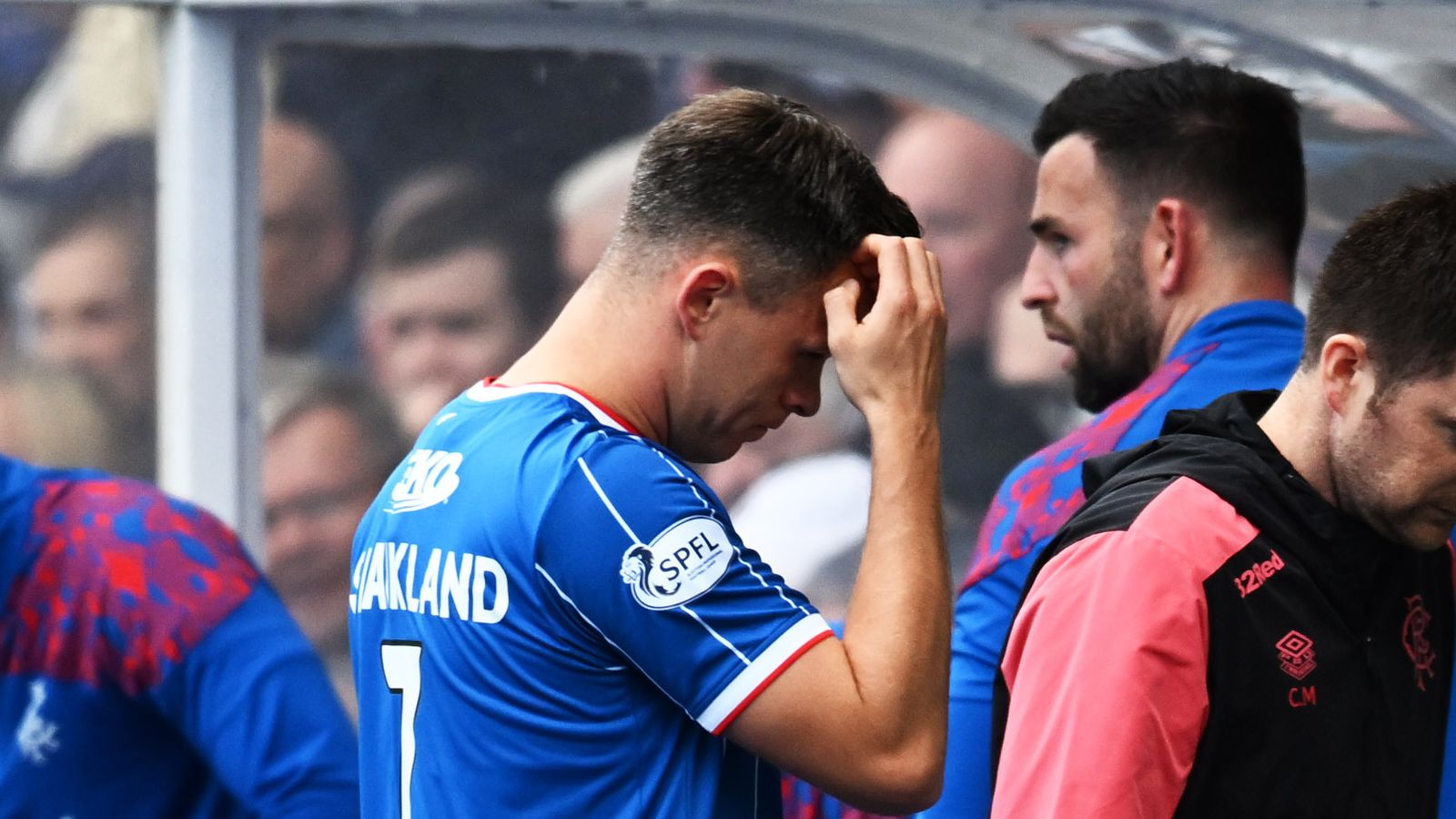
Celtic defeated Hearts 3-1 on 16 May 2026 to secure the Scottish Premiership title, but the celebrations at Celtic Park were overshadowed by a pitch invasion and disorder. Shankland was among the Hearts players caught up in the chaotic scenes as supporters entered the pitch following the match. Images showed the striker being surrounded by stewards and teammates as tensions rose. Hearts subsequently raised concerns about the treatment of their players and staff, while the authorities began investigating the events that followed the final whistle. The incident became one of the most controversial talking points from the end of the Scottish football
The latest football banning order is connected to disorder during the wider celebrations surrounding Celtic’s title triumph. According to reports published on 12 October, Liam Connolly, a 38-year-old Celtic supporter, received a two-year Football Banning Order after pleading guilty to a breach of the peace offence at Glasgow Sheriff Court. He was also given a Community Payback Order requiring him to complete 150 hours of unpaid work. His conviction relates to disorder in Glasgow’s Trongate area following Celtic’s victory over Hearts. The court outcome demonstrates that authorities have continued pursuing individuals connected to the
It is important to distinguish the wider street disorder from the specific confrontation involving Shankland on the pitch. The banning order reported in this case concerns Connolly’s involvement in the disorder around the title celebrations; the available reporting does not establish that the order was imposed specifically for an incident involving Shankland. Nevertheless, both episodes form part of the broader aftermath of a match that became controversial for reasons extending well beyond the football itself.
Police Scotland confirmed that the disorder in Glasgow led to a major investigation after officers responding to a medical emergency came under attack. Two police officers were seriously injured, and three members of the public required hospital treatment. Police reviewed footage and gathered evidence to identify those responsible. The operation demonstrated the scale of the investigation and the determination of authorities to hold people accountable for criminal behaviour connected to the
For Shankland, the events were particularly uncomfortable because he was at the centre of attention during a difficult moment for Hearts. The Edinburgh side had been competing for the league title before losing the decisive match, and the final result was already a painful disappointment for the players and their supporters. The scenes that followed made the situation even more difficult. Instead of being able to leave the pitch after a demanding match, players found themselves dealing with a chaotic environment in which stewards and teammates had to help maintain order.
The controversy also took on a different dimension after Shankland’s move to Rangers was confirmed later in May. Hearts announced on 26 May that the striker would leave to join Rangers when the summer transfer window opened on 15 June. His departure added another layer of interest to a story that had already attracted considerable attention among supporters of both clubs. Shankland’s move to Ibrox meant that an incident from the end of his Hearts career would continue to be discussed in the context of
For Rangers supporters, the story is a reminder of the difficult circumstances surrounding Shankland’s final appearance for Hearts. The striker had been a prominent figure for the Edinburgh club, serving as captain and helping them compete near the top of Scottish football. His decision to join Rangers was a major development in the summer transfer window, and the scenes at Celtic Park formed part of the backdrop to his departure. However, the court case should be understood on its own facts rather than treated as evidence against an entire group of supporters.
The broader issue is the responsibility that comes with supporting a football club. Passion and rivalry are important parts of the sport, but they should never become excuses for disorder or intimidation. Thousands of supporters attended the celebrations, and the actions of a minority should not automatically define everyone who was present. At the same time, people who engage in unlawful behaviour must be held responsible for their own actions. Football banning orders are intended to prevent individuals subject to them from attending matches during the specified period, helping authorities reduce the risk of further disorder.
Celtic’s title victory should have been remembered primarily for the football, but the events surrounding the match ensured that the final day of the season would also be associated with controversy. The subsequent investigation and court proceedings have kept the incident in the news, demonstrating how the consequences of disorder can continue long after a match has ended. The authorities have made clear that they will continue to investigate offences and pursue those identified as responsible.
Ultimately, the latest banning order is another development in the continuing response to the disorder surrounding Celtic’s title celebrations. Shankland’s involvement in the pitch-side scenes remains part of the wider story, but the specific court outcome concerns an offence connected to the celebrations in Glasgow. For Rangers, the story inevitably attracts attention because Shankland has since joined the club. For Scottish football as a whole, the central lesson is that the atmosphere and rivalry that make the game compelling must not come at the expense of players’ safety, public order or respect for others.








