BREAKING NEWS: Joško Gvardiol has shocked the world by secretly spending millions of pounds to buy a historic, abandoned village in northern Manchester, England, and then completely renovating it into an eco-resort specifically for seniors and those living alone. A place where they can live in harmony with nature and culture, while receiving comprehensive care, becoming a true “”Living Treasure”” of the country

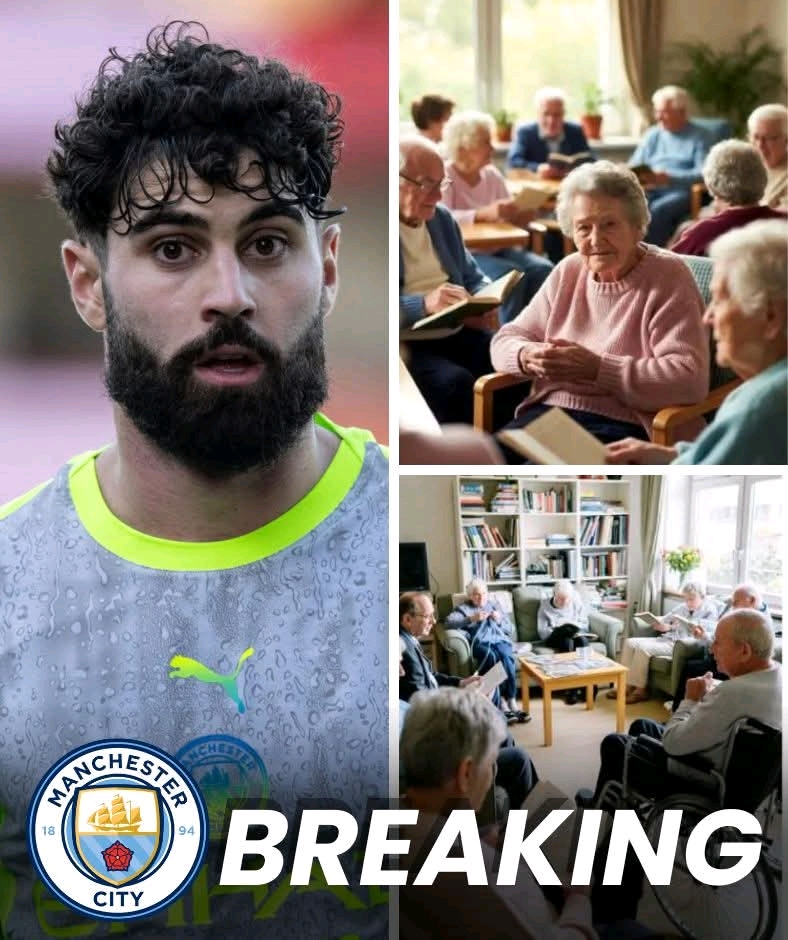
While the lights of the Etihad Stadium shine brightly every matchday and cameras follow every tackle, sprint, and celebration, there was another story unfolding quietly far away from the noise of football. It was a story no one expected, a story not driven by fame, contracts, or applause, but by deep human kindness. Joško Gvardiol, known to millions as one of Manchester City’s most powerful and intelligent defenders, was living a second life away from the pitch, one that even his closest fans never imagined. For months, even years, while supporters debated tactics and pundits analysed his performances, Gvardiol was pouring his heart, time, and millions of pounds into something that had nothing to do with football glory. It was a project born from empathy, silence, and a desire to give dignity to people society often forgets.
In northern Manchester, there once stood a village that time had abandoned. Old stone houses with broken windows, roofs caving in, narrow roads overtaken by weeds, and buildings that whispered stories of lives once lived with joy and community. It had been written off by developers and councils alike, labelled too expensive to restore and too outdated to modernise. For years it stood as a symbol of neglect, a reminder of how history can be left behind when profit is not guaranteed. Most people passed by without a second look, never imagining that the place could breathe again. But Joško Gvardiol saw something different when he first learned about it. Where others saw decay, he saw possibility. Where others saw cost, he saw responsibility.
Without telling the media, without asking for partnerships, and without attaching his name to press releases, Gvardiol began quietly buying the land and properties. The process took time and patience. Lawyers handled paperwork, architects studied the structures, and historians were consulted to preserve the soul of the village. All of it happened in silence. Even many within Manchester City had no idea what their teammate was doing beyond training sessions and matches. There were no social media hints, no charity photos, no carefully planned announcements. It was intentional. Gvardiol did not want praise. He did not want headlines. He wanted results.
The vision was clear from the start. This would not become another luxury retreat for the wealthy, nor a holiday escape for tourists seeking Instagram moments. Instead, the village would be reborn as a living community for elderly people and individuals living alone, especially those who had lost partners, families, or support systems. In a modern world moving too fast, many older people are left isolated, pushed into small flats or care homes where life becomes routine and quiet in the worst way. Gvardiol wanted to change that. He wanted to create a place where ageing did not mean loneliness, where growing old did not mean being forgotten.
Construction began slowly and carefully. Old stones were cleaned and reused. Roofs were rebuilt using traditional designs but reinforced with modern materials. Solar panels were added discreetly, blending into the architecture instead of ruining it. Gardens were planted not for beauty alone, but for therapy, movement, and connection to nature. Pathways were designed wide enough for wheelchairs and walkers, with benches placed thoughtfully so no one would feel rushed or tired. Every decision was made with care, not cost-cutting
Medical facilities were integrated into the village without making it feel like a hospital. Nurses and doctors were available around the clock, but their presence felt comforting, not controlling. There were wellness centres offering physical therapy, mental health support, and regular health checks. Emotional care was treated as seriously as physical care. Counsellors were available for residents who needed someone to talk to, someone to listen, someone to understand. Loneliness, after all, can hurt just as much as illness.
Cultural life was also central to the project. There were shared kitchens where residents could cook together, exchange recipes, and tell stories from their past. Small theatres hosted music nights, poetry readings, and film screenings. Art rooms allowed residents to paint, sculpt, and create without pressure. Local musicians and artists were invited to perform and teach, creating a bridge between generations. This was not a place where time stood still. It was a place where time was respected.
Sustainability was woven into every part of the village. Rainwater was collected and reused. Food waste was composted and turned into soil for community gardens. Energy came largely from renewable sources. Residents were encouraged to participate, not forced, learning how small actions could protect the environment they now called home. It gave many a renewed sense of purpose. They were not just being cared for. They were contributing again.
The most remarkable part of the entire project was the secrecy. Workers involved in the restoration were asked to respect privacy. Contracts included strict confidentiality clauses. Gvardiol himself visited the site quietly, dressed simply, often without security. He spoke to builders, listened to residents during trial stays, and asked questions not as a celebrity, but as a human being. Many did not even recognise him at first. To them, he was just a polite young man who cared deeply about details.
The truth only began to surface when some residents, overwhelmed by gratitude, shared their experiences with friends and local communities. Stories spread of a mysterious benefactor who paid for everything but refused recognition. Construction workers spoke emotionally about a project that felt different, one where kindness mattered more than deadlines. Slowly, journalists began connecting dots. When the name Joško Gvardiol finally emerged, disbelief swept across England.
Fans reacted with shock and admiration. This was not the usual charity donation headline or end-of-year gesture. This was life-changing, permanent, and deeply personal. Manchester City supporters, rivals, and neutrals alike found themselves united in praise. Social media exploded not with anger or debate, but with respect. People shared stories of their own grandparents, parents, and neighbours who could benefit from such a place. The project struck a nerve because it addressed a quiet crisis many prefer to ignore.
Inside Manchester City, the reaction was emotional. Teammates reportedly struggled to find words. Some said they always knew Gvardiol was humble, but this went beyond anything they imagined. Pep Guardiola himself is said to have been deeply moved, describing the act as a reminder that footballers can shape the world in ways far greater than trophies. Training ground conversations shifted. It was no longer just about tactics or results. It was about meaning.
What makes the story even more powerful is what Gvardiol did not do. He did not post photos. He did not release a statement. He did not attend an opening ceremony. When asked privately why he stayed silent, those close to him say his answer was simple. He believed good deeds lose their purity when they become performances. He wanted the residents to feel valued, not showcased. He wanted the village to stand on its own, not as an extension of his fame.
Residents now call the place England’s Living Treasure, not because it is expensive or exclusive, but because it feels alive. Laughter fills the streets again. Lights glow warmly at night. Stories are shared over tea and meals. People who once felt invisible now feel seen. They wake up with purpose, knowing they belong somewhere. That sense of belonging is priceless.
In an era where gestures are often loud and carefully branded, Gvardiol’s quiet compassion feels revolutionary. It challenges the idea that impact must be advertised to matter. It reminds the world that true generosity often happens when no one is watching. For many, this project has redefined what it means to be a role model. Goals and clean sheets fade with time, but dignity given to others lasts forever.
As the Premier League continues and seasons change, Joško Gvardiol will continue to be judged on performances, stats, and results. That is the nature of football. But beyond the tackles and passes, beyond the chants and debates, there is now a deeper legacy growing quietly in northern Manchester. A village once forgotten now stands as proof that kindness can rebuild not just buildings, but lives.
Tonight, when the Etihad Stadium roars, there is pride not just in victories, but in values. Pride that one of its own chose humanity over headlines. And across England, far from the floodlights, there are elderly residents sleeping peacefully, knowing someone cared enough to give them a home, a community, and hope. That may well be the greatest performance Joško Gvardiol ever delivers, and it will echo far longer than any cheer.