Manchester City walked off the pitch again with that same empty feeling. Another night at the Etihad. Another chance to close the gap. Another moment where the title race begged them to step forward. And once again, they could not do it. The scoreboard read 1-1 against Brighton, but the damage went far deeper than a single point dropped. This was about momentum. This was about belief. This was about a season slowly slipping through their fingers while Arsenal watch from a distance with growing smiles.
The atmosphere said everything before the game even reached its final whistle. Seats were empty. Noise was flat. The urgency that once made the Etihad feel like a fortress now feels muted, almost tired. For a club that has dominated English football for years, this felt strange, uncomfortable, and worrying. Manchester City are not used to chasing. They are not used to stumbling again and again. But here they were, drawing for the third straight match, leaving fans frustrated and Pep Guardiola looking increasingly restless on the touchline.
This draw meant City have now dropped six points in just over a week. Six points in a title race is not a small thing. It is massive. It is dangerous. And it is the kind of slip that champions usually do not survive. Arsenal could be eight points clear by the time City make their next move in the transfer market. Eight points in January is not impossible to recover, but it turns hope into pressure and pressure into panic.
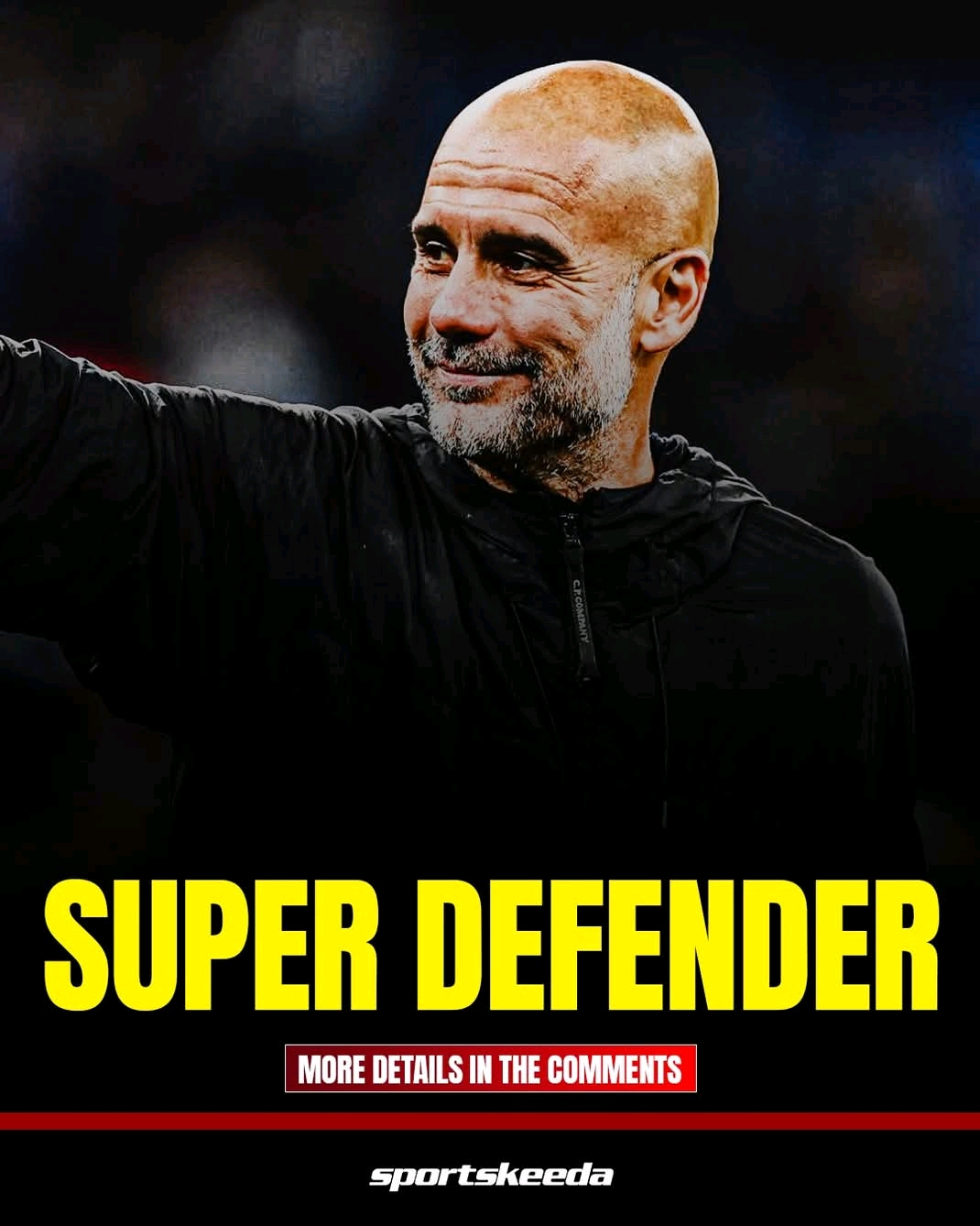
Pep Guardiola knows this. You could see it in his face. You could hear it in his voice. You could feel it in every angry gesture, every argument, every sarcastic clap aimed at the Brighton bench. This was not the calm, smiling Pep. This was a man fighting against time, form, and his own standards.
Manchester City actually started the game with control. They passed well. They moved the ball sharply. Jeremy Doku caused problems on the wing, running at defenders with speed and confidence. Bernardo Silva found pockets of space. Tijjani Reijnders tried to push forward. Erling Haaland bullied defenders physically. On paper, City were in charge. But football is not played on paper. Football is decided in moments.
The biggest moment came just before halftime. Haaland stepped up and calmly scored from the penalty spot. It should have been the release. It should have been the turning point. It should have been the signal for City to go on and kill the game. Instead, it became another reminder of what is missing.
After the goal, City slowed down. The hunger disappeared. The sharpness faded. Chances came and went. Reijnders missed one. Bernardo Silva missed another. Haaland, the man expected to be ruthless, wasted a golden chance late in the game that could have sealed all three points. When the ball slipped away from him, he stood still, hands on hips, staring into nothing. Around him, play continued. Around him, time moved. But for Haaland, that moment felt frozen.
Brighton did not panic. Brighton did not hide. They waited. And when the chance came, they took it. Kaoru Mitoma found space on the edge of the box. Too much space. Unforgivable space. He struck the ball cleanly past Gianluigi Donnarumma, and suddenly the Etihad fell silent. Again.
It was the same story that has haunted City in recent weeks. Control without cruelty. Possession without punishment. Dominance without the killer blow. These are not the traits of champions. These are warning signs.
Guardiola later said he liked the way his team played. He talked about positives. He talked about effort. But he could not escape the truth. Goals win games. Missed chances lose titles. It is not about one player, he said, and he is right. This is a collective problem. When chances fall, someone must finish them. When pressure builds, someone must stand tall.
The tension on the sidelines told its own story. Guardiola and Brighton manager Fabian Hurzeler clashed again. This has become a rivalry, a modern Premier League grudge match. They do not like each other, and they do not hide it. Guardiola mocked Hurzeler early on. Hurzeler smiled when decisions went his way. Assistants shouted. Referees struggled to keep control.
There was anger about the penalty decision. Brighton’s bench felt the referee was influenced by the crowd, a crowd that ironically barely filled the stadium. Guardiola dismissed the arguments as private business, but his actions spoke louder. He argued. He gestured. He complained. He even had to pull Rodri away from an argument later in the game, acting as peacemaker after spending most of the night as a provocateur.
The referee, Thomas Bramall, had a difficult night. Some decisions pleased City. Others angered them. Doku went down in the box and wanted a penalty. VAR checked. Nothing was given. The benches erupted again. The match never truly settled.
Behind all of this chaos as a deeper concern. Manchester City look short. Short of confidence. Short of cutting edge. Short of belief. Injuries have forced Guardiola into unusual decisions. A 21-year-old central defender, Abdukodir Khusanov, led the back line alongside debutant Max Alleyne. They did well, all things considered, but this is not how City imagined defending their title.
The talk around Antoine Semenyo only added to the frustration. Many fans were already imagining him in a sky-blue shirt, offering pace, power, and goals. Instead, he stayed at Bournemouth and even scored a last-minute winner for them. Every touch he took elsewhere felt like a reminder of what City lacked on this night.
Maybe the deal will happen. Maybe it will not. But the truth is simple. Points lost cannot be signed in January. You cannot buy back missed chances. You cannot transfer in goals that should have already been scored.
The Etihad itself felt like a symbol of the problem. Thousands of empty seats. A huge North Stand expansion looming over a half-full stadium. There is a growing disconnect between fans and the club’s leadership. Tourists will fill those seats on big nights. But cold January evenings against Brighton demand real support, real noise, real belief. And right now, that feels missing.
Still, writing off Manchester City would be foolish. Even now. Even eight points behind. This is a team built to win long races. This is a manager who has pulled off impossible comebacks before. Guardiola knows how to turn pressure into power. But he also knows that time is running out.
The title race has shifted. Arsenal have the advantage. City are chasing shadows. Every draw now feels like a defeat. Every missed chance feels heavier than the last. The margin for error is gone.
As the final whistle blew, there was no explosion of anger. No dramatic collapse. Just quiet frustration. Players walked off slowly. Guardiola stood still for a moment, staring at the pitch, as if searching for answers written in the grass.
This season is not over. Not yet. But nights like this are how titles are lost. And unless Manchester City rediscover their sharpness, their hunger, and their ruthless edge very soon, this could be remembered as the moment everything started to slip away.