Manchester City has converted a former training facility into a day center for the homeless, investing €3 million

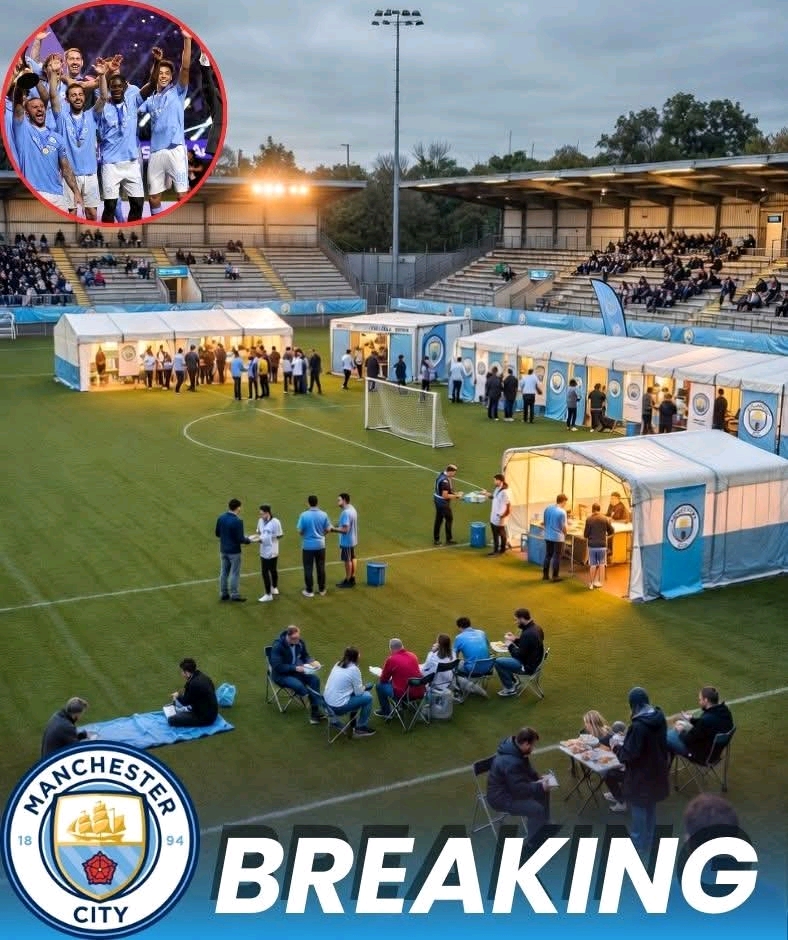
Manchester City has shocked the football world again, but this time it has nothing to do with goals, trophies, or transfers. This time, the story is about humanity, dignity, and hope. In a move that many people never expected, the club has quietly turned a former training facility into a day centre for the homeless, putting real action behind the words “community” and “responsibility”. This is not a small gesture or a quick public relations move. Manchester City invested around three million euros into the project, and the impact is already being felt far beyond the walls of the building. What used to be a place where footballers trained is now a place where people who have lost everything can find food, warmth, care, and a reason to keep going.
For years, elite football clubs have spoken about giving back. Many wear special shirts, post emotional messages online, or donate small amounts to charities. But this project from Manchester City feels different. It is permanent. It is physical. It is built to last. The club did not choose a temporary solution or a short-term programme. Instead, they chose to convert an entire facility into a safe space for people who are struggling to survive on the streets. In a city like Manchester, where homelessness has become more visible and more painful over the years, this decision carries deep meaning.
The day centre opens its doors early each morning, welcoming people who often have nowhere else to go. Inside, there are hot meals served every day, not just once in a while. There are clean places to sit, rest, and feel human again. There are showers, clean toilets, and basic hygiene supplies that many homeless people struggle to access. For someone living on the streets, something as simple as a warm shower or a fresh meal can feel like a miracle. Manchester City understood this, and they built the centre to meet real needs, not just to look good in the media.
But the project goes far beyond food and shelter. The club worked with local organisations, social workers, and charities to create a place that offers real support. People can speak to trained staff who help them with documents, housing applications, health issues, and mental support. Many homeless people are trapped not only by poverty but by systems that are difficult to understand and access. This centre is designed to guide them step by step, without judgment or pressure.
One of the most powerful parts of the project is how it treats people with dignity. There are no cameras following them around. There is no forcing people to tell their stories for publicity. The centre exists to help, not to exploit pain. Manchester City has made it clear that this is about long-term change, not headlines. The club’s leaders believe that football should be more than entertainment, more than business, and more than winning matches. They believe it should be a force for good.
Many fans around the world were surprised when the news broke. Social media was filled with praise, emotion, and disbelief. Some people admitted they had never thought of Manchester City as a club that would take such a bold social step. Others said this changed how they see modern football. In a time when clubs are often criticised for greed, high ticket prices, and lack of connection to local communities, this project stands out like a bright light.
The location of the centre is also important. Instead of building something far away, hidden from public view, Manchester City placed it within the community. This sends a strong message that homeless people are not a problem to be pushed away. They are part of the city. They are neighbours, brothers, sisters, parents, and children who need support. By opening the centre in a former training facility, the club symbolically turned football space into human space.
For the people using the centre, the impact is deeply personal. Many have shared how it feels to finally be treated with respect again. Some said they had not eaten a proper meal in days before coming. Others spoke about the relief of having someone listen to them without judging. Small moments, like being called by their name or being offered a hot drink with kindness, mean more than most people realise.
The staff working at the centre are a mix of professionals and volunteers, many of whom are lifelong Manchester City supporters. For them, this is more than a job. It is a chance to live the values they believe their club stands for. They speak with pride about wearing the City badge while helping those in need. It reminds them that football clubs are not just companies, but communities with power and responsibility.
Manchester City’s ownership group approved the full funding without hesitation, according to reports. They understood that three million euros spent here could change hundreds, maybe thousands, of lives over time. In football terms, that amount might be the cost of a single player’s wages for a few weeks. In real life terms, it is life-saving money. This comparison has not been lost on fans, who now question why more clubs cannot do the same.
The project has also inspired conversations across the football world. Other clubs are watching closely. Some have already reached out to Manchester City to learn how the centre was planned and managed. While not every club has the same resources, the idea is spreading that meaningful action is possible if the will is there. This could mark the beginning of a new era where football clubs are judged not only by trophies but by how they treat the most vulnerable people around them.
Local government officials and charities have praised the initiative as well. They say the centre fills a gap that public services alone cannot always cover. By working together, the club and the community have created something stronger than any single organisation could have achieved alone. This partnership approach is one of the reasons the project is already being called a landmark moment in community support.
The timing of the project also matters. With rising living costs, housing shortages, and economic pressure, more people are at risk of homelessness than ever before. Manchester City did not wait for things to get worse. They acted now, using their resources and influence to step in where help is urgently needed. This sense of urgency shows a deep understanding of the reality many people face every day.
For young fans watching from around the world, this story sends a powerful message. Football heroes are not only the players who score goals, but the institutions that stand up for humanity. Seeing their club care about homeless people teaches values that go beyond the pitch. It shows that success does not excuse ignoring suffering.
The club has made it clear that this is not the end. Plans are already being discussed to expand services, add educational programmes, and create pathways into work and housing. The dream is not just to offer a place to survive the day, but a chance to rebuild a life. That is the true measure of success for this project.
Some critics have tried to downplay the initiative, saying it is easy for a rich club to spend money. But those who work in homelessness support know that money alone is not enough. It takes planning, commitment, and genuine care to make something like this work. Manchester City did not just write a cheque. They stayed involved, listened to experts, and built something meaningful.
The emotional power of the project lies in its simplicity. A building. A meal. A safe place. A human connection. These are basic things, yet they can change everything. In a world that often feels cold and divided, this centre stands as proof that compassion still exists at the highest levels.
As the doors open each day, the former training ground echoes with different sounds now. Instead of football boots on grass, there are conversations, laughter, and sometimes tears. These are the sounds of people finding support, maybe for the first time in a long while. And in that space, football has found a new kindof victory.
Manchester City may still be judged by goals, titles, and records, but this project adds another chapter to the club’s story. It is a chapter written not with trophies, but with kindness. Not with applause, but with quiet gratitude. Not with celebration, but with compassion.
In the years to come, people may forget certain matches or seasons. Players will come and go. Managers will change. But the lives touched by this centre will not forget what Manchester City did when it truly mattered. This is the kind of legacy that cannot be bought or erased.
Football has always claimed to be the people’s game. With this bold move, Manchester City has shown what that really means. They have taken the power, wealth, and influence of elite sport and turned it into something human. Something real. Something lasting.
And as the sun sets over Manchester, there is now one more place where people can find light instead of darkness, warmth instead of cold, and hope instead of despair. That may be the greatest goal Manchester City has ever scored.