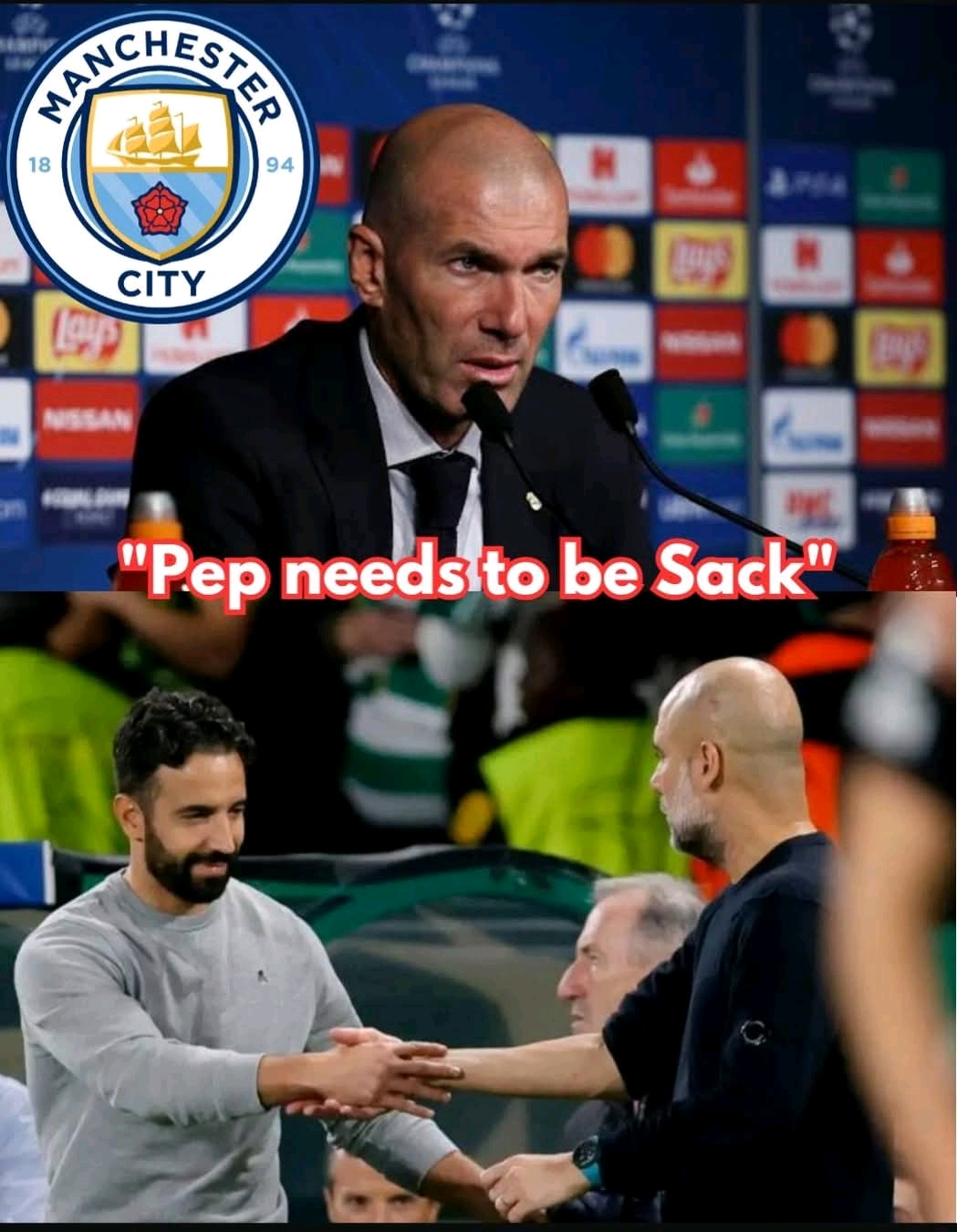
Former Real Madrid Manager Zidane has told Manchester City board to Sack the Coach. Pep Guardiola needs to retire or face shame

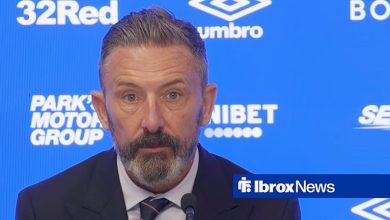
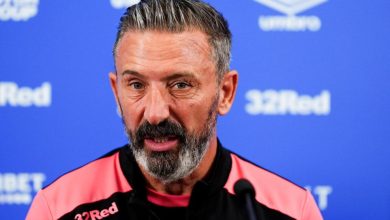
The press conference room at Stamford Bridge was silent in a way that felt uncomfortable and heavy. Journalists were seated, cameras were rolling, but no one expected what was about to happen. When Liam Rosenior walked in, his face already told a story before he even spoke. This was not the face of a manager trying to control the media narrative. This was the face of a man carrying emotional weight, disappointment, and heartbreak. Then he said the words that sent shockwaves through Chelsea Football Club and beyond.
“He came to meet me after training yesterday to tell me he wants to leave the club in January. I’m not sad, but I’m truly heartbroken. This is the player we rely on the most when we need results.”
At that moment, Rosenior’s voice cracked. He paused. His eyes filled with tears. This was not theatre. This was real. Another key Chelsea star, one of the most trusted players in the squad, had confirmed his decision to leave in January. Not a rumor. Not media speculation. A direct conversation. Man to man. After training. Quiet. Honest. Final.
For Chelsea fans, it felt like another punch to the stomach in a season already full of pain. For the club, it was confirmation that the situation behind the scenes is far worse than many imagined. And for Liam Rosenior, it was the moment he realized that his project, his ideas, and his attempt to rebuild trust may already be slipping through his fingers.
This was not just any player. This was someone Chelsea depend on when results matter. A player trusted in big games. A player who carries responsibility. A player teammates look to when things are not going well. Losing such a figure in January is not just a squad issue. It is an identity crisis.
Rosenior made it clear that the decision hurt him deeply. Not because of ego. Not because of control. But because of what the player represents. He spoke about how the player has always trained hard, shown commitment, and carried the pressure in difficult moments. He admitted he tried to convince him to stay, to fight, to believe in what they were building. But the player’s mind was already made up.
Sources close to the club suggest the situation has been building for weeks. Frustration over tactics. Confusion over positioning. A feeling of being misunderstood. Being asked to play roles that do not suit natural strengths. Being judged for performances while being placed in impossible situations. These things slowly break a player’s spirit.
Against Arsenal, those cracks became impossible to hide. Several Chelsea players were deployed out of position, and while fans argued over tactics, inside the dressing room the reaction was much stronger. One senior player reportedly left the stadium angry and silent. Another sat alone long after the final whistle. For some, it felt like a final straw.
Rosenior’s appointment was supposed to bring clarity and fresh energy. Instead, it has exposed how fragile Chelsea’s dressing room has become. Players are not just questioning results. They are questioning direction. They are questioning whether their best years are being wasted. And now, with a key star walking away in January, others are watching closely.
When important players leave, it changes everything. Younger players lose guidance. Confidence drops. Doubt spreads. Chelsea have been here before, watching leaders leave while the club tries to rebuild again and again. Fans are tired. Players are tired. And now even the manager looks emotionally drained.
While Chelsea are dealing with heartbreak in London, chaos is growing in Manchester. Manchester City, the model of dominance for years, are suddenly in unfamiliar territory. Three losses in a row. A team that looks predictable. A system that no longer frightens opponents the way it once did. And now, shockingly, voices from football royalty are calling for the unthinkable.
Zinedine Zidane, former Real Madrid manager and Champions League legend, has reportedly told the Manchester City board to sack Pep Guardiola before it is too late. The words alone sound unreal. Pep Guardiola, one of the greatest managers in football history, being told to step aside because his ideas have been “figured out”.
According to Zidane, managers across Europe have mastered Guardiola’s playing pattern. They know where City will build from. They know how to block passing lanes. They know how to hurt them in transition. And recent results seem to support that claim. City are no longer surprising anyone. They are being punished.
The defeat against Sporting in Lisbon summed it all up. City started well. Phil Foden gave them an early lead and for a brief moment, everything felt normal. Control. Confidence. Authority. But as has happened too often recently, they failed to kill the game.
Sporting equalised through Viktor Gyokeres after City missed several clear chances. That miss cost them momentum. Then came the second half collapse. City’s defence, usually so calm and structured, completely fell apart.
Max Araujo made it 2-1. Then Josko Gvardiol made a poor tackle, gifting Gyokeres a penalty. 3-1. Panic. Confusion. No leadership. Late in the game, Matheus Nunes gave away another penalty. Gyokeres completed his hat-trick. Another humiliation.
This is not the Manchester City fans are used to. This is not the Guardiola machine that suffocated teams and controlled games like chess pieces. This City looks fragile. Nervous. Exposed.
Bernardo Silva later spoke about the defeat, admitting the team lacked focus and intensity. He spoke honestly, but his words also revealed concern. When senior players start publicly acknowledging problems, it often means the situation is deeper than results.
Rodri’s injury has played a huge role. Without him, City’s midfield has lost balance. He was the shield. The controller. The calm voice. His absence has exposed weaknesses Guardiola has struggled to fix. Experiments have failed. Adjustments have not worked. And now pressure is building.
Zidane’s comments my sound extreme, but they reflect a growing belief among some football minds that Guardiola’s cycle at City may be reaching its natural end. Not because he is bad. But because football evolves. Opponents adapt. And even the greatest systems eventually need renewal.
The contrast between Chelsea and Manchester City is striking. At Chelsea, players are leaving because they feel lost. At City, a manager is under fire because his ideas may no longer be enough. Both clubs are giants. Both are struggling. And both are facing moments that could define their futures.
Back at Stamford Bridge, Rosenior’s tears told a story deeper than tactics or transfers. They told the story of a manager who cares. A manager who feels the weight of responsibility. A manager who understands that losing a key player in January could unravel everything.
He did not name the player. He did not criticise him. He did not blame him. He accepted the reality with pain and dignity. That alone earned him respect from many fans, even those questioning his decisions.
But football does not wait for emotions. January is coming. Transfer windows are ruthless. Agents will move. Deals will be discussed. And Chelsea must now prepare for life without one of their most reliable players.
Other players are watching closely. If one leader leaves, others may follow. That is how dressing rooms work. Confidence is fragile. Belief spreads quickly, but so does doubt.
Meanwhile, Manchester City must decide whether to stand firmly behind Guardiola or begin thinking about the future. Sacking him would be unthinkable for many. But football history is full of unthinkable decisions that later made sense.
Both clubs are standing at crossroads. Chelsea must decide whether they can rebuild trust and keep what remains of their core. City must decide whether loyalty to a legend is enough to stop the slide.
One manager cried because a player walked away. Another manager is being told to walk away because results are disappearing. Football is cruel like that. Today you are needed. Tomorrow you are questioned.
As fans, we watch goalsand results. But moments like these remind us that football is human. It is emotion. It is heartbreak. It is pressure. And sometimes, it is tears in a press conference that say more than any statistic ever could.