I can’t be paying high salary on Him and not benefiting from Him’: Manchester City owner has ordered Pep Guardiola they must sell £43 million FLOP

VERY SAD news has now been confirmed in the football world, and it has sent shockwaves through Chelsea, Manchester City, and the entire European football community. The kind of news that makes fans stare at their phones in silence, reading the same line again and again, hoping it is not true. But this time, it is real. Enzo Fernandez, one of Chelsea’s biggest stars and most expensive signings, has officially left the club to join one of Europe’s biggest giants in a world-breaking deal worth £150 million. For Chelsea fans, it feels like betrayal, heartbreak, and failure all rolled into one. For Enzo, it is the biggest step of his career, but also the most controversial.
The announcement came early in the morning, and within minutes social media exploded. Some fans were angry, some were sad, and others simply laughed in disbelief. Chelsea had fought so hard to bring Enzo to Stamford Bridge, paid a record fee, promised him a project, promised him leadership, promised him a future. Yet here they are, watching him walk away before that future was ever built. The pain was even worse because of the timing. January. Mid-season. When teams are fighting for stability, not chaos.
Behind the scenes, the situation had been boiling for weeks. Enzo had grown frustrated. He felt the club had no clear direction. Managers came and went. Teammates arrived in bulk and left just as quickly. Training sessions lacked structure. Matches lacked identity. For a player who won the World Cup and dreamed of dominating Europe, Chelsea began to feel like a cage instead of a platform.
Sources close to the player revealed that Enzo tried to stay professional. He trained hard. He played through pain. He spoke positively in public. But privately, he had already made his decision. When Europe’s biggest club came knocking with a historic offer and a clear sporting plan, his heart was already gone.
Chelsea’s board had no choice. Rejecting £150 million in their current situation would have been reckless. Financial pressure, FFP concerns, and dressing room tension forced their hand. They accepted the deal, knowing fully well what it meant. Losing not just a player, but a symbol of ambition.
While Chelsea fans were still trying to digest that blow, another storm was quietly raging in Manchester. This time, it involved Manchester City, Pep Guardiola, and a furious club owner who had finally lost patience.
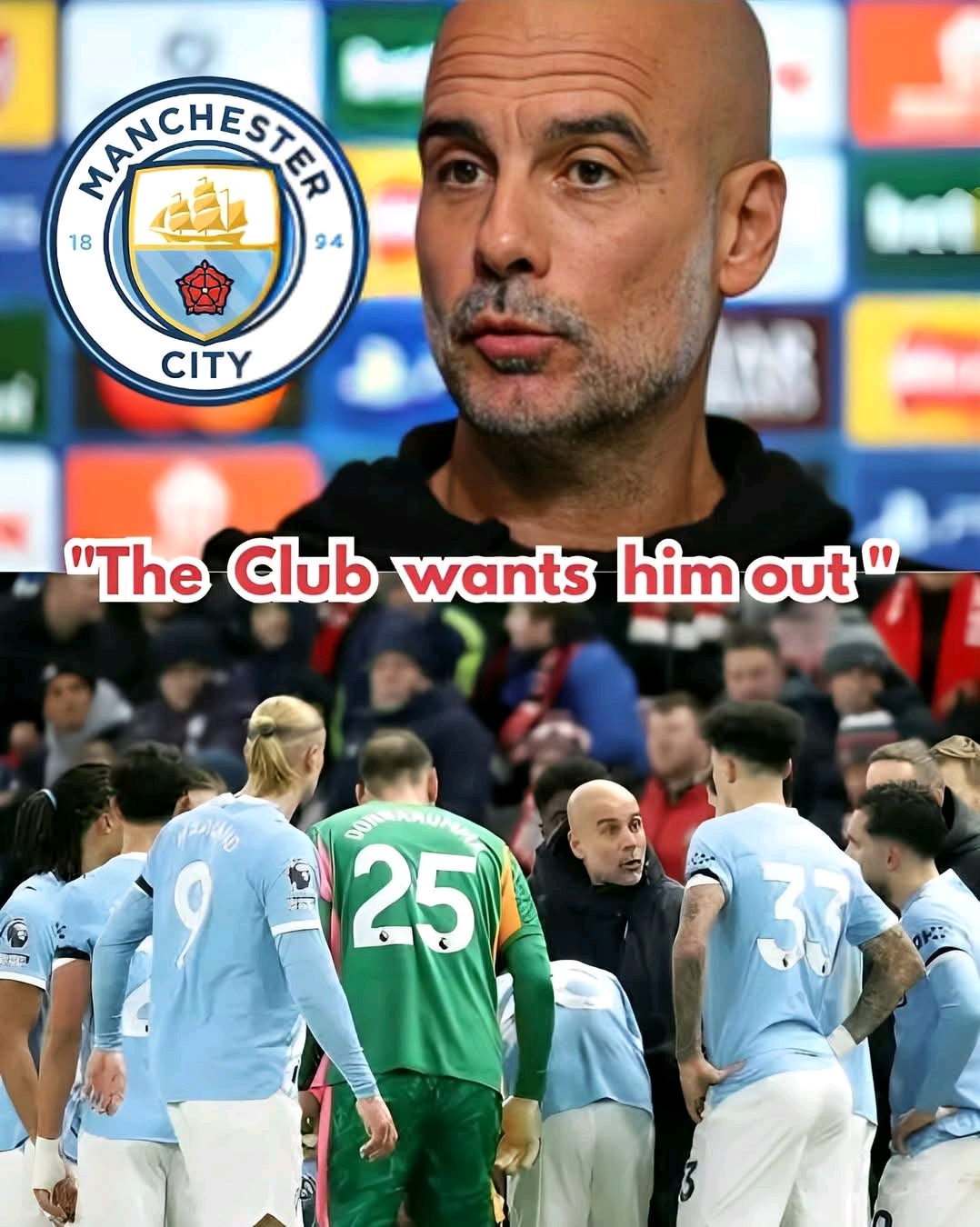
The words were harsh. Brutal. And shocking. “Tell him to pack his belongings and leave my club immediately, because I do not tolerate lazy players. I can’t be paying high salary on him and not benefiting from him.” Those words did not come from a pundit or a fan. They came directly from the Manchester City owner, and they were directed at Pep Guardiola himself.
The target was a £43 million signing who was supposed to strengthen City’s squad but has instead become a symbol of frustration. A player Pep trusted. A player given chances. A player defended publicly. But behind closed doors, the owner had seen enough.
City’s recent goalless draw against Sunderland was the final straw. A match City dominated on paper, controlled in possession, and yet failed to win. For Guardiola, it was another example of good performance without reward. For the owner, it was proof that some players were stealing a living.
The match itself told the story of City’s current struggle. They had the ball. They controlled the tempo. They moved it side to side. But when it came time to finish, there was nothing. No hunger. No sharpness. No killer instinct. The Sunderland goalkeeper barely broke a sweat, yet City walked away with just one point.
Pep Guardiola stood in front of the cameras after the game and tried to stay positive. He praised the second half. He praised the effort. He praised the control. But even he could not hide the frustration. Chance after chance wasted. Simple finishes missed. The six-yard box turned into a nightmare.
Bernardo Silva had a goal ruled out. Haaland missed chances he normally buries with his eyes closed. Wide players hesitated. Midfielders played safe passes instead of taking risks. And somewhere on the pitch was the £43 million man, running without impact, hiding from responsibility, offering nothing when the team needed everything.
Rodri’s return in the second half changed the rhythm. Suddenly City had control again. Suddenly passes were sharper. Suddenly Sunderland were pinned back. But still, no goal came. The problem was no longer tactics. It was mentality.
After the match, Guardiola insisted he was not frustrated. He said he was old enough to accept football results. But those words did not convince everyone. Certainly not the owner.
Behind the scenes, an emergency meeting took place. Performance reports were laid on the table. Training data was reviewed. Commitment levels were discussed. And one name kept coming up again and again. The same £43 million signing. High wages. Low output. Minimal effort.
The owner was furious. Not emotional. Furious. He made it clear that loyalty to a manager does not mean tolerating failure. He reminded Guardiola that Manchester City is a machine built to win, not to babysit underperformers.
The message was simple. Sell him now. January. No excuses. Or risk consequences that nobody wants to talk about.
For Pep Guardiola, this moment is dangerous. He has always defended his players. He believes in trust, patience, and development. But this time, the pressure is different. The board is watching. The owner is watching. And results are starting to slip.
City are still in the title race, but the margin for error is shrinking. Arsenal are winning. Rivals are improving. Fans are restless. And every dropped point feels heavier than the last.
Guardiola tried to explain the Sunderland result calmly. He spoke about pressing. About control. About margins. But deep down, he knows football does not forgive repetition. If you dominate and do not score once, it happens. If it keeps happening, it becomes a problem.
The schedule ahead is brutal. League games. Cup matches. Europe. Injuries already creeping in. Rotation is necessary, but trust is thin. Players who do not give everything will not survive this period.
And that is where the £43 million player finds himself. On the edge. On the list. Possibly already gone in spirit, if not yet in body.
The contrast between Enzo Fernandez’s situation and this City player is striking. One is leaving because he wants more ambition. The other is being pushed out because he gave too little. Both situations reflect a harsh truth of modern football. Reputation means nothing without performance. Price tags mean nothing without effort.
Chelsea’s pain is different. They are not angry at Enzo. They are angry at themselves. Angry at a project that never took shape. Angry at promises that were never kept. Angry that yet another star leaves before becoming a legend.
Fans remember the excitement when Enzo arrived. The songs. The hope. The belief that he would be the heartbeat of midfield for years. Instead, he becomes another chapter inlChelsea’s story of chaos.
For Manchester City, the anger is sharper. They are not collapsing. They are still strong. But standards are higher there. A draw feels like defeat. A lazy run feels like betrayal. And wasting money feels like insult
The owner’s words echo loudly in the dressing room. Players hear everything. They know who it is about. They know the message is not just for one man. It is for all of them Work harder. Or leave.
Pep Guardiola now walks a tightrope. Protect his player and risk conflict with the board, or sacrifice him to restore authority and balance. History suggests Pep chooses the team over individuals. Legends have left before. Big names have been sold. No one is untouchable.January will be ruthless.
As Enzo Fernandez prepares to wear new colors and chase new dreams, Chelsea must rebuild yet again. As Manchester City sharpen their knives, one player’s future hangs by a thread.
Football moves fast. Yesterday’s hero is today’s problem. Yesterday’s promise is today’s regret. And somewhere in between all of this, fans are reminded of a painful truth. Loyalty in football lasts only as long as results do.
The saddest part is not the money. Not the headlines. Not even the anger. It is the feeling that something beautiful never had the chance to become real. That is why this news hurts so much. Because it feels like failure, not just change.