5 MINUTES AGO: EXPLOSIVE ACCUSATION ROCKS MAN CITY! Jeremy Doku FILES LAWSUIT Against Pep Guardiola for Alleged RACIST Remarks — “Is it all just because I’m Black?” 😨🔥 The Belgian star’s bold move has left fans and media stunned, as the shocking truth behind the training ground incident begins to unfold…”

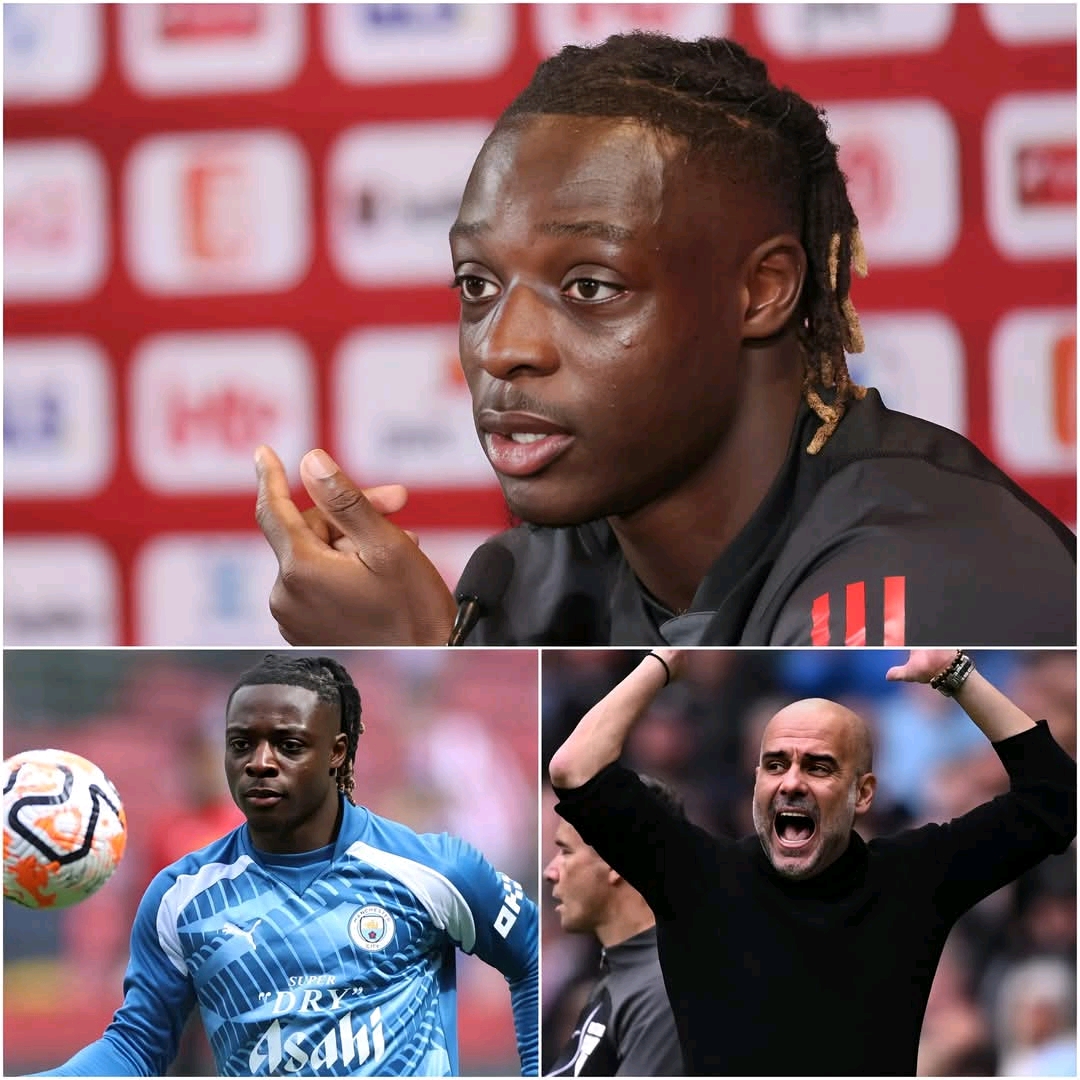
5 MINUTES AGO. That was the time stamp flashing across social media when Manchester City fans all over the world suddenly froze. Phones stopped scrolling. Group chats went silent. One shocking headline was everywhere at once. An explosive accusation. A story so serious, so emotional, and so uncomfortable that many supporters did not know whether to believe it or dismiss it as madness. The words were simple, but they carried weight. Jeremy Doku. Pep Guardiola. Lawsuit. Racist remarks. A question that cut deep. “Is it all just because I’m Black?”
In this dramatic and fictionalised scenario, the story begins inside the walls of the Etihad Campus, a place usually associated with control, structure, calm dominance, and football perfection. Manchester City under Pep Guardiola is supposed to be a machine. Clean football. Clear ideas. Respect. Togetherness. But in this imagined version of events, something went wrong. Something that no tactics board, no training drill, and no trophy cabinet could fix.
Jeremy Doku arrived at Manchester City as one of the most exciting young wingers in Europe. Pace that breaks lines. Confidence that scares defenders. A smile that shows freedom. When he signed, the narrative was clear. Pep Guardiola wanted him. The club trusted him. Fans embraced him. He was seen as the future of City’s attack, a player who could stretch games and change moments in seconds. But football is not just about what happens on matchday. Training grounds carry their own stories, their own tensions, their own unfiltered truths.
According to this fictional account, the incident began during a closed training session. No cameras. No journalists. Just players, staff, and the manager. Intensity was high. Guardiola is known for demanding perfection. He shouts. He stops sessions. He repeats instructions again and again. Many players have said it made them better. Others have said it broke them before rebuilding them. In this imagined scene, Doku struggled with a drill. Timing was off. Decision-making delayed. Pep intervened. Words were exchanged. Voices were raised. And then, according to alleged internal claims, something was said that crossed a line.
The fictional narrative suggests that Doku felt singled out. Not criticised for football reasons, but personally targeted. The words, as imagined in this story, stayed with him long after the session ended. In the dressing room, teammates noticed he was quiet. Normally laughing. Normally joking. But that day, silence followed him. Footballers often hide pain behind professionalism, but some wounds sit deeper than tired legs or bruised ankles
As the days passed, the tension did not disappear. Training continued. Matches came and went. Pep Guardiola remained Pep Guardiola. Demanding. Intense. Brilliant. But in this fictional world, Doku felt something had shifted. Confidence dropped. Hesitation crept in. When mistakes happened, the reaction felt heavier. When others made similar errors, the response felt different. That is where doubt grows. Doubt is dangerous. It eats players alive.
In this imagined scenario, Doku began to speak privately with people close to him. Family. Advisors. Former coaches. The same question kept coming back. Was this just tough coaching? Or was it something else? Was he being judged unfairly? Was there bias? Or was he reading too much into pressure at the highest level? These are not easy questions. Especially in a sport where Black players have long spoken about feeling judged differently, criticised more harshly, or misunderstood by authority figures.
The fictional headline that shook social media suggested that Doku decided to take an extreme step. A legal action. A lawsuit. Not because he wanted attention. Not because he wanted revenge. But because, in this imagined story, he felt unheard internally. The alleged question attributed to him — “Is it all just because I’m Black?” — became the emotional centre of the storm. Whether true or not, those words alone would be enough to divide opinions instantly.
Manchester City fans, in this fictional situation, reacted in chaos. Some defended Guardiola without hesitation. They pointed to his history. His work with diverse squads. His public stance against racism. His respect for players of all backgrounds. Others said football must listen when a player speaks about feeling discriminated against. Not automatically believe, but listen. Because silence has protected bad behaviour in the past.
Pep Guardiola, in this imagined crisis, was said to be shocked. Those who know him describe a man obsessed with fairness on the pitch. Demanding, yes. Cruel, no. In this fictional narrative, Pep reportedly denied any racist intent completely. He insisted that all criticism was purely tactical. Purely professional. He claimed he speaks to every player the same way. That pressure is equal. That standards do not change based on skin colour, nationality, or background.
But perception matters as much as intent. That is where football often collapses under its own weight. What one person sees as hard coaching, another experiences as humiliation. What one person calls passion, another hears as disrespect. And when race enters that conversation, emotions multiply.
The imagined lawsuit, according to this fictional account, was not just about one sentence. It was about an environment. About tone. About repetition. About feeling powerless under authority. Doku, in this story, did not claim Pep hated him. He claimed something more complex. That unconscious bias can exist even in good people. That pressure can become personal without intention. That silence can hurt as much as words.
Media outlets, in this fictional storm, went into overdrive. Pundits chose sides. Some warned about the danger of false accusations. Others warned about dismissing Black voices too quickly. Social media did what it always does. It exaggerated. It attacked. It defended. It twisted narratives into weapons. Old clips were dragged up. Pep’s past comments were re-examined. Doku’s performances were overanalysed. Every substitution, every benching, every facial expression became “evidence”
Inside the club, according to this imagined story, emergency meetings were held. Lawyers. Executives. Communications teams. Manchester City’s brand is built on control and success. A story like this threatens both. The club, in this fictional version, released a careful statement. Respectful. Neutral. Emphasising zero tolerance for racism while supporting due process. No admission. No attack. Just calm words in the middle of chaos.
Teammates were said to be split emotionally. Some supported Doku privately. Others believed Pep completely. Most stayed silent. Football dressing rooms are not courtrooms. Players protect careers. They avoid headlines. They survive storms rather than challenge them.
For Doku, in this fictional narrative, the weight became unbearable. Every match felt watched. Every mistake felt judged by millions. Being young in elite football is hard enough. Being at the centre of a racial controversy is something else entirely. Confidence drained. Smiles faded. Football became heavy.
This imagined story does not offer easy heroes or villains. That is what makes it uncomfortable. It forces fans to confront hard truths about power, race, pressure, and communication in modern football. It asks whether elite environments truly listen to young players. It asks whether success excuses harsh behaviour. It asks whether football is ready to have difficult conversations without destroying people in the process.
In this fictional world, the lawsuit is not the end. It is the beginning of a long, painful process. Investigations. Statements. Reputations hanging in the balance. Pep Guardiola’s legacy questioned by some. Jeremy Doku’s career path suddenly uncertain. Trust broken. Relationships damaged.
And perhaps the most powerful part of this imagined story is not the legal action or the headline. It is the silence that follows. The silence that makes everyone uncomfortable. Because silence forces reflection. It forces football to look in the mirror and ask whether it truly understands the players it profits from.
Whether you believe the fictional Doku or the fictional Pep, one thing is clear in this dramatic scenario. Football is not just about goals and trophies. It is about people. And when people feel hurt, ignored, or misunderstood, even the most successful clubs can shake.
Manchester City fans, in this imagined moment, are left holding their breath. Not because of a title race. Not because of a transfer rumour. But because something deeper is at stake. Trust. Respect. And the soul of a club that prides itself on being modern, inclusive, and progressive.
And as the fictional headline continues to circulate, one question refuses to disappear. Not because it is proven. Not because it is confirmed. But because it demands to be answered carefully, honestly, and responsibly.
What happens when football’s greatest minds collide with football’s deepest wounds?