I thought Pep Guardiola was different – but he is just as poisonous as Jose Mourinho. His victimhood and mockery of a referee on debut is toxic, writes IAN HERBERT

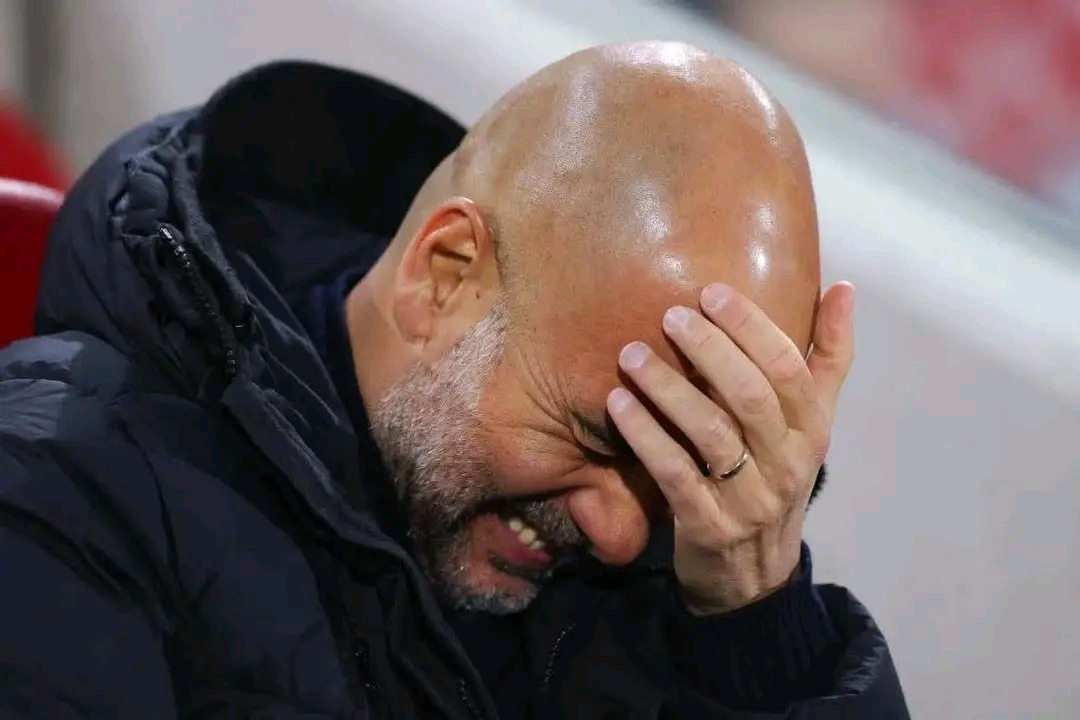
For almost a decade, Pep Guardiola was supposed to be different. That was the promise. That was the hope. When he arrived in English football, many believed the Premier League was finally being freed from an era of bitterness, mind games, and open hostility toward referees and rivals. Pep was meant to represent intelligence, calm, ideas, and respect. He was the antidote to Jose Mourinho.
But watching Guardiola this week, it is hard to escape an uncomfortable truth. The mask is slipping. And what we are seeing underneath does not look as pure as many once believed.
It has now been nearly ten years since Pep Guardiola sat in front of journalists for the first time as Manchester City manager. That day felt like a turning point. Mourinho had just left Chelsea in chaos. His reign had been full of conflict, suspicion, victimhood, and constant warfare with officials. Many of us in that room felt relief. Pep spoke softly. He smiled. He talked about football, ideas, learning, and joy. It felt refreshing. It felt clean.
Back then, Guardiola represented a new culture. He was intense, yes, but never poisonous. He argued with players on the training ground, not referees in public. He wanted to win through superiority, not siege mentality. Or at least that is what we thought. Fast forward to now, and the image is changing.
After Manchester City’s recent win over Wolves, Guardiola did something that felt all too familiar. He mocked a referee making his Premier League debut. He questioned decisions. He wrapped himself in sarcasm. He presented City as victims. Not quietly. Not subtly. But loudly, publicly, and deliberately.It was not just frustration. It was performance.
The referee in question was new at this level. Still learning. Still finding confidence. Guardiola knew this. He also knew the power of his words. Yet instead of protecting the game, instead of showing leadership, he chose ridicule. He chose pressure. He chose to make himself the story. That is where the comparison with Mourinho becomes unavoidable.
Jose Mourinho built his success on confrontation. He created enemies. He turned referees into targets. He painted his teams as wronged heroes fighting against injustice. Over time, that approach poisoned dressing rooms, damaged trust, and left scars across the league. Pep Guardiola once stood proudly apart from that world. Now, he seems to be drifting into it.
This is not about one comment. It is about a pattern. Guardiola has increasingly leaned into grievance. He complains about schedules. About referees. About respect. About narratives. Sometimes these complaints have merit. The modern football calendar is brutal. Referees are under immense pressure. Media narratives can be unfair. But the tone matters.
Guardiola is not just another manager. He is one of the most powerful voices in football. When he speaks, people listen. When he mocks, others follow. When he frames officials as incompetent or biased, he fuels abuse from the stands and online.
The danger is obvious. Referees already operate in a climate of fear. Abuse is normalised. Mistakes are hunted. Instead of lowering the temperature, Guardiola is raising it.
What makes this more disappointing is that Guardiola knows better. He is highly intelligent. He understands psychology. He understands influence. This is not accidental behaviour. It is calculated. Why now?
Part of the answer lies in pressure. Manchester City are under constant scrutiny. The club’s dominance has brought resentment. Legal battles hang in the background. Rivals are desperate to see them fall. Guardiola feels this tension every day.
There is also fatigue. Ten years in one job changes people. The calm innovator slowly becomes the defender of territory. Fresh ideas give way to hardened instincts. The need to protect replaces the joy of creation.
And then there is power.
Guardiola has won everything. Multiple times. Titles, trebles, records. When you reach that level, humility becomes harder to maintain. Every challenge feels personal. Every criticism feels like an attack. The line between confidence and arrogance blurs.
Mocking a referee on debut might seem small. But symbols matter. It sends a message that authority should be questioned publicly, that mistakes deserve ridicule, and that power gives permission to punch down.
This is exactly the culture many hoped Guardiola would never embrace.
There was a time when Pep would speak about referees with empathy. He would say the game is fast, decisions are hard, mistakes happen. He would insist responsibility lies with players and coaches, not officials. Those moments are becoming rarer.
Instead, we see sarcasm. We see eye-rolls. We see theatrical disbelief. We see victimhood.
That word matters. Victimhood is Mourinho’s greatest legacy. It poisons teams from the inside. Players stop taking responsibility. Every setback becomes external. Growth slows. Resentment grows.
Manchester City are still winning. That makes this even more worrying. If this is Guardiola while on top, what happens when decline truly begins?
Some will argue this is just emotion. Just passion. Just the heat of competition. But that excuse has always been used to defend Mourinho too. And we know where that road leads.
Guardiola once represented football’s future. Ideas over intimidation. Intelligence over insult. Now, he risks becoming another example of how absolute success changes behaviour.This is not a call for punishment. It is a call for reflection.
Pep Guardiola does not need to become this person. He still has the authority, intelligence, and respect to reset the tone. He can still choose leadership over mockery. Responsibility over ridicule. Calm over conflict.
The Premier League is watching. Referees are watching. Young coaches are watching.
And many who once believed Pep Guardiola was different are quietly asking themselves a painful question.Was he ever really that different at all?