Liverpool arrived at the Stadium of Light knowing this would not be an easy night,

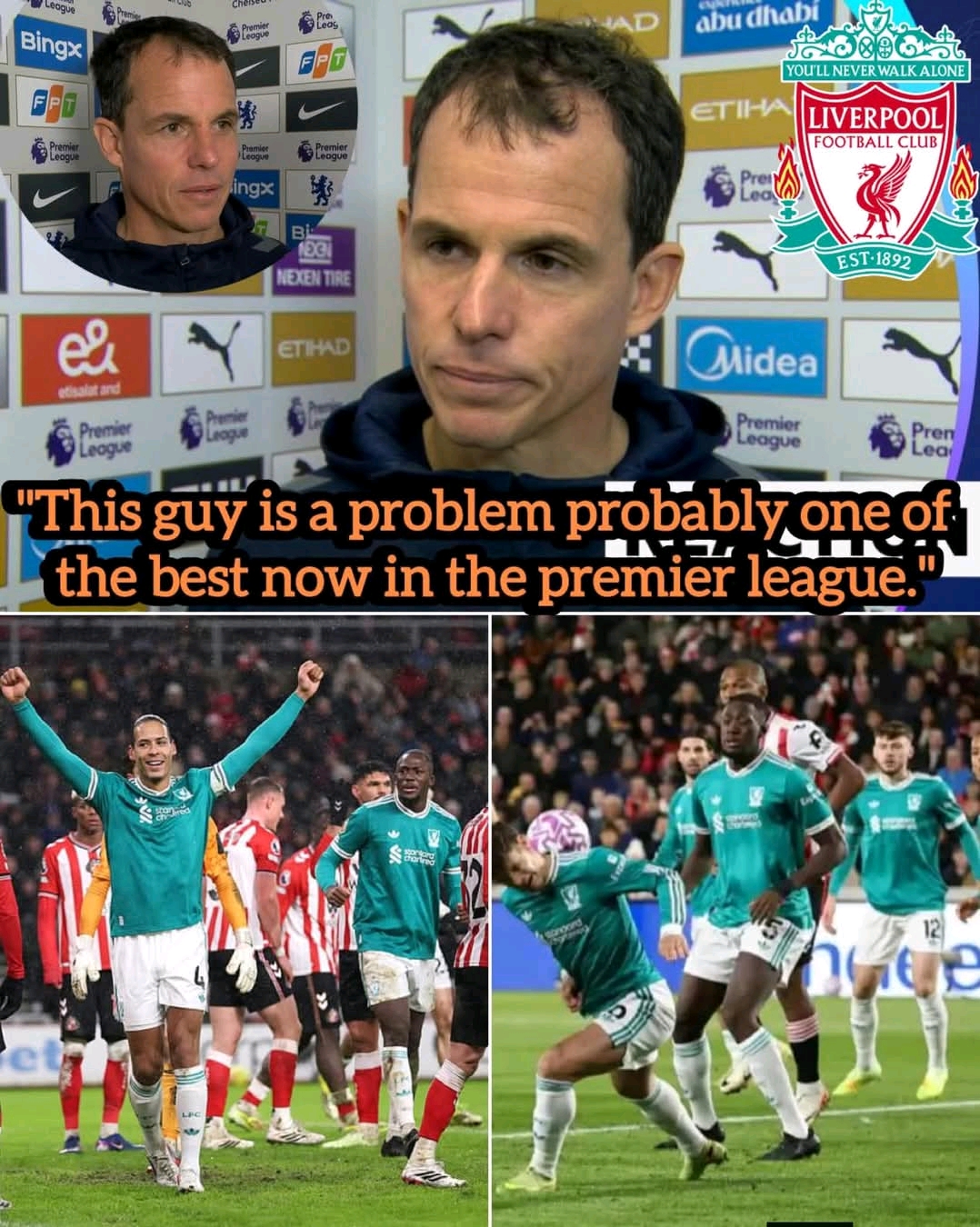
Liverpool arrived at the Stadium of Light knowing this would not be an easy night, and by the final whistle they had proved exactly why winning in places like this matters so much over a long season. A single goal, a single moment, and a single header from Virgil van Dijk was enough to end Sunderland’s proud unbeaten home run and give Arne Slot’s side a narrow but hugely important 1–0 victory that felt bigger than the scoreline suggested.
From the very first minute, the match had the feeling of a test. Sunderland had not lost a league game at home all season, and their supporters packed the stadium with belief, noise, and expectation. Liverpool, meanwhile, came with pressure of their own. Every point mattered in a tight race for the Champions League places, and there was no room for carelessness or complacency. What followed was not a glamorous game full of goals and chaos, but a serious, patient, and controlled performance that showed Liverpool’s maturity and growing confidence under their new manager.
Liverpool started the match looking calm and organized. They kept the ball well, moved it quickly across the pitch, and tried to stretch Sunderland’s defensive shape. The visitors were clearly the more experienced side, and it showed in the way they handled the opening stages. Rather than rushing forward or forcing risky passes, they chose to recycle possession, wait for gaps to appear, and slowly increase the pressure.
Sunderland, however, were well prepared. They sat deep, stayed compact, and worked incredibly hard without the ball. Every Liverpool attack seemed to run into a wall of red and white shirts. The home side did not panic or chase the ball wildly. Instead, they stayed disciplined, closed passing lanes, and forced Liverpool to play around them rather than through them.
As a result, clear chances were hard to come by in the early stages. Liverpool had plenty of the ball, but most of their efforts came from distance. Shots were blocked, crosses were cleared, and corners were defended with commitment. Sunderland’s defensive shape remained solid, and their goalkeeper, Robin Roefs, looked confident whenever he was called upon.
One player who refused to be discouraged was Florian Wirtz. The young German midfielder was Liverpool’s main source of creativity in the first half, constantly looking for ways to unlock Sunderland’s stubborn defense. He drifted between the lines, demanded the ball, and tried to make things happen when others struggled to find space.
Midway through the first half, Wirtz produced one of the best moments of the game so far. Spotting a small gap outside the penalty area, he unleashed a powerful long-range shot that flew towards the top corner. Roefs reacted brilliantly, pushing the ball away with a strong save that drew loud applause from the home crowd. It was a reminder that Liverpool’s pressure was building, even if the breakthrough had not yet arrived.
Wirtz was not done there. Later in the half, he came even closer to opening the scoring. After a clever piece of movement inside the box, he created just enough space to strike a left-footed effort towards goal. The shot beat the goalkeeper but crashed against the post, bouncing away to safety. Liverpool players held their heads in frustration, while Sunderland breathed a huge sigh of relief.
Despite Liverpool’s control of possession and territory, Sunderland managed to reach halftime with the score still level. Their work rate was impressive, and they had succeeded in frustrating one of the league’s strongest teams. For Liverpool, it was a familiar story of dominance without reward, and there was a sense that patience would be crucial in the second half.
After the break, Sunderland showed a change in approach. Rather than sitting back completely, they pushed a little higher up the pitch and tried to disrupt Liverpool’s rhythm. Their midfield pressed more aggressively, and they looked to play forward more quickly when they won the ball. It was a brave move, especially against a team that thrives on exploiting space.
For a brief period, Sunderland’s increased ambition gave them belief. They enjoyed a few moments of possession in Liverpool’s half and forced the visitors to defend more actively. However, clear chances still remained rare. Liverpool’s back line stayed organized, with Virgil van Dijk leading by example, reading the game well and winning aerial duels with authority.
As the second half progressed, Liverpool began to regain control. They slowed the tempo, passed the ball with confidence, and waited for Sunderland’s energy to drop. Corners and free-kicks started to pile up again, and it felt like a goal was coming if the pressure continued.
The decisive moment finally arrived shortly after the hour mark, and it came from a set piece, an area where Liverpool have always been dangerous. Mohamed Salah stepped up to take a corner, and his delivery was exactly what his team needed. The ball was whipped into the six-yard box with pace and precision, causing immediate chaos among Sunderland’s defenders.
Virgil van Dijk rose highest in the crowd of players, meeting the ball with a powerful header. The initial contact sent the ball towards goal, and in the scramble that followed, Sunderland midfielder Habib Diarra found himself under immense pressure right on the goal line. With no time to react, he inadvertently turned the ball into his own net. Whether it would have crossed the line anyway mattered little. Liverpool had their goal.
The away supporters erupted, while the Stadium of Light fell suddenly quiet. For the first time all season, Sunderland were trailing at home in a league match. The sense of disbelief was clear, but there was still time for a response.
To their credit, Sunderland did not give up. They pushed forward, urged on by their fans, and tried to find an equalizer. Long balls were sent into the box, crosses came from wide areas, and set pieces were delivered with hope rather than precision. Liverpool, though, dealt with the pressure calmly.
Arne Slot’s side showed impressive game management in the closing stages. They stayed compact, closed down space, and avoided unnecessary risks. When they had the ball, they slowed the game down, took their time with throw-ins and free-kicks, and forced Sunderland to chase.
Every defensive action was met with encouragement from Liverpool players, and every clearance felt like a small victory. Van Dijk continued to dominate at the back, while the midfield worked tirelessly to protect the lead. Sunderland struggled to create a clear chance, and frustration began to show as time ticked away.
There was, however, a moment of concern for Liverpool late in the match. Wataru Endo, who had been filling in at right-back and delivering a solid and dependable performance, went down after a challenge. It was immediately clear that the injury was serious. Endo could not continue and had to be carried from the pitch, raising worries about his condition.
The sight of Endo leaving the field cast a slight shadow over the victory, especially given Liverpool’s recent injury problems. His versatility and reliability have been valuable, and any long-term absence would be a blow. Still, the team had to stay focused and see out the remaining minutes.
When the final whistle finally blew, relief and satisfaction were written all over Liverpool’s faces. It was not a flashy win, but it was a professional one. Ending Sunderland’s unbeaten home run was no small achievement, and taking three points away from home in such a difficult environment could prove vital as the season reaches its decisive phase.
For Sunderland, the defeat was disappointing but not damaging to their pride. They showed discipline, fight, and organization, and on another day they might have earned a point. Their home record had been a source of confidence, and while it is now broken, the performance suggested they remain a tough opponent for anyone.
For Liverpool, the victory carried added significance beyond the immediate result. The three points helped close the gap to fourth-placed Manchester United and fifth-placed Chelsea, keeping the Champions League dream firmly alive. In a season where margins are fine, wins like this can define success.
Arne Slot will be particularly pleased with the control his team showed. They did not panic when the goal refused to come early, and they trusted their process. The patience, discipline, and experience on display reflected a team growing into its manager’s ideas and learning how to win in different ways.
Virgil van Dijk’s influence cannot be overstated. His commanding presence at the back and decisive contribution at the other end once again underlined his importance. In tight matches where chances are limited, leaders like him make the difference.
As Liverpool look ahead to the next challenge, this result will serve as a reminder that progress is not always measured in goals scored or dominance displayed. Sometimes, it is about resilience, focus, and the ability to grind out results when conditions are far from ideal.
The Stadium of Light has been a fortress for Sunderland this season, but on this night it fell to a single header and a moment of pressure. Liverpool walked away with everything they came for, knowing that in the long race for Europe, nights like this can shape the final outcome.