Worse than Souttar: Rohl must finally axe Rangers flop who lost the ball every 2 touches – opinion

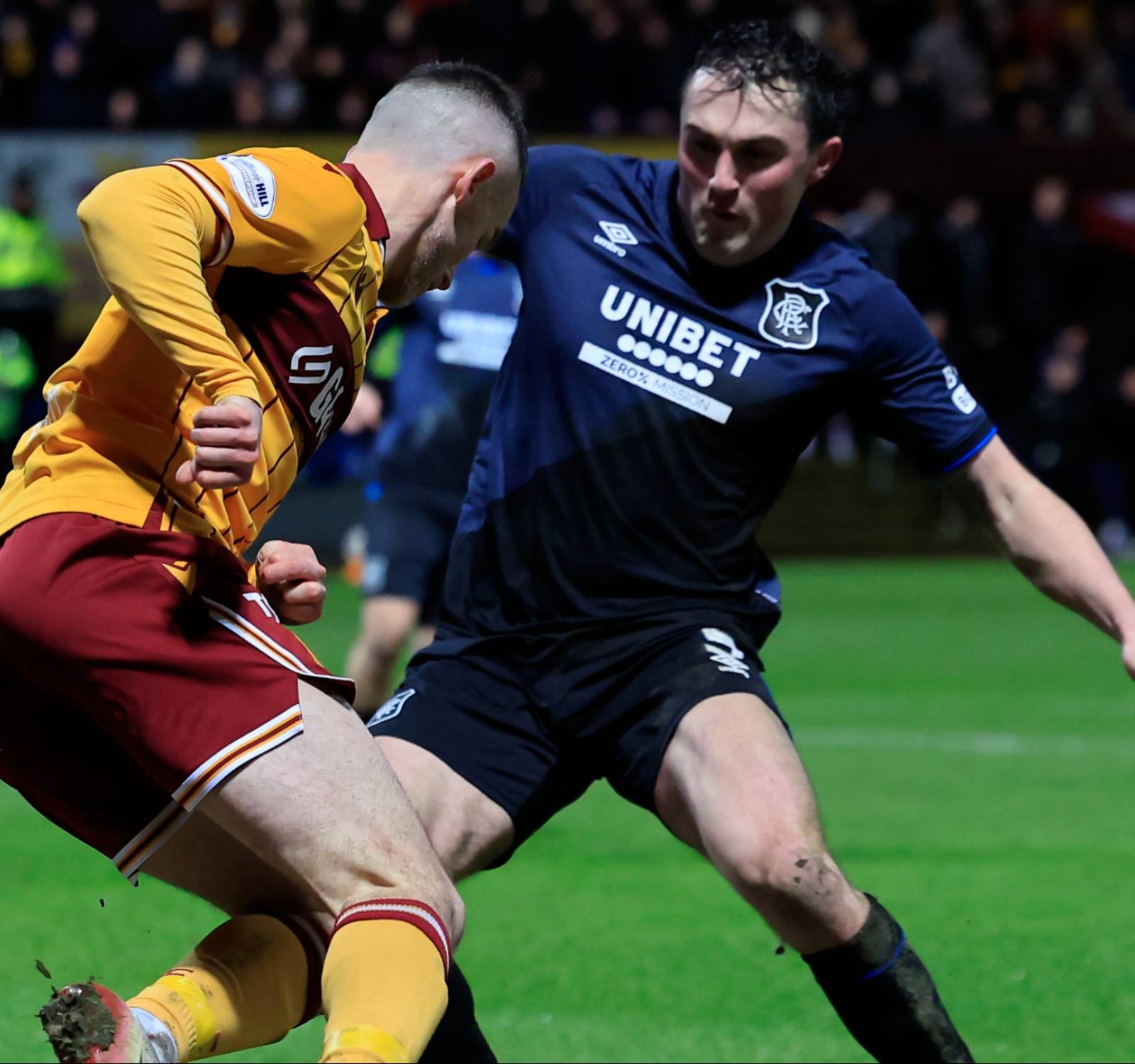
What happened at Fir Park on Wednesday night will stay in the minds of Rangers fans for a very long time, and not for any good reason. It was one of those nights that feels small in the moment but grows heavier with every passing hour. A game that should have been routine turned into a warning. A chance to close the gap at the top slipped away. Momentum that had been building was suddenly stopped. And at the centre of it all was a manager who, for the first time this season, got it badly wrong.
Rangers arrived at Motherwell knowing exactly what was at stake. With the title race tightening and pressure building at the top of the Premiership, this was meant to be a professional job. Get in, get the points, keep the pressure on, and move on. Early signs suggested that plan was working. Nicolas Raskin struck early, silencing the home crowd and putting Rangers in control. When Lukas Fadinger was later shown a red card, everything seemed to fall perfectly into place. A goal up against ten men. On paper, it looked like the ideal night.
But football is never played on paper, and Rangers spent most of the evening looking uncomfortable, uncertain, and strangely fragile. Despite having the lead and the extra man, they were under pressure for long spells. Motherwell pushed, pressed, and played with a hunger that Rangers never matched. Jack Butland was forced into action more than once. Nasser Djiga had to defend desperately. Instead of controlling the game, Rangers survived it. And when a team survives for too long, punishment often follows.
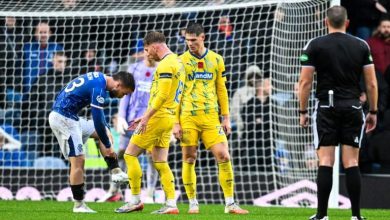
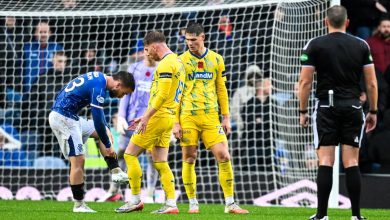
That punishment came late, cruelly, and painfully. Stephen Welsh, on loan from Celtic of all clubs, stepped up in the dying moments and fired home an equaliser that felt like a dagger to the heart of the away support. Fir Park erupted. Rangers collapsed. Two points were gone, and with them, a huge opportunity. The league table might say one thing, but emotionally, this felt like a defeat.
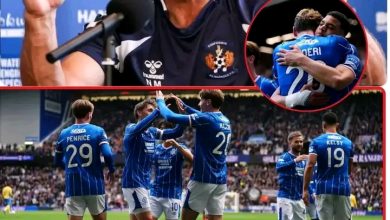
After the final whistle, frustration was written all over the Rangers bench. Danny Rohl stood frozen, staring at the pitch, knowing deep down that this one was on him. For all the praise he has deserved this season, for all the progress and belief he has restored, this was a night where his decisions came back to haunt him.
The strange thing is that Rangers had arrived at this match full of confidence. Just days earlier, they had destroyed Queen’s Park 8-0 in a performance that felt like a statement. Everything clicked. Goals flowed. New signings delivered. Players who had struggled earlier in the season suddenly looked reborn. Ryan Naderi finally opened his Rangers account. Tochi Chukwuani impressed. Even Oliver Antman, who had been labelled a flop by many, began to show why the club invested in him. It felt like momentum was building at exactly the right time.
And then, for reasons that remain difficult to understand, Rohl hit the brakes.
When the team sheet was released, eyebrows were raised immediately. Three of the four January signings were on the bench. Key attacking players were missing. Changes were made not because of injuries or suspensions, but because of choice. Rohl decided to rotate, to trust players who had not earned that trust, and to break the rhythm his team had just found. In a title race, those are dangerous decisions.
Those who were given their chance failed to take it. John Souttar returned to the starting line-up, and while his experience was supposed to bring calm, it instead brought uncertainty. For most of the match, he struggled to assert himself. When the defining moment came, he failed to engage Stephen Welsh properly. He allowed space. He hesitated. And that hesitation was fatal. The ball flew past Butland, and the damage was done.
What made Souttar’s performance look even worse was the excellence of the man beside him. Nasser Djiga was immense. He won every duel he contested. He threw his body into challenges. He played like a defender who understood the stakes. The contrast between the two centre-backs was impossible to ignore. One looked sharp and hungry. The other looked slow and reactive. In a game decided by fine margins, that difference mattered.
Out wide, Rangers were almost invisible. Djeidi Gassama started on the right flank, but his impact was minimal. Twenty-one touches across the entire match told the story. He rarely beat his man. He rarely created space. He rarely threatened. While he struggled, players like Antman and Andreas Skov Olsen sat watching from the bench, players who could have stretched the game, tested tired legs, and forced Motherwell back. Instead, Rangers became narrow, predictable, and easy to defend against.
The lack of attacking threat placed even more pressure on the defence, and eventually, something had to give. Motherwell sensed weakness. They believed. And belief is a powerful thing, especially against a team that suddenly looks unsure of itself.
As the minutes ticked away, Rangers fans could feel it coming. The warning signs were everywhere. Lost duels. Poor decisions. Wasted possession. When the equaliser finally arrived, it felt inevitable rather than surprising. That is always the most painful kind of goal to concede.
Yet even with all of that, the finger should not be pointed only at the defenders. The real issue lay further forward, where Rangers were supposed to be ruthless. They were anything but.
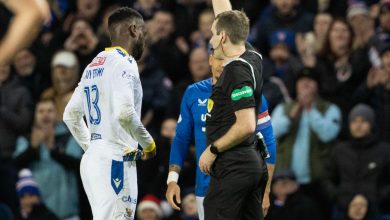
The biggest question of the night surrounded the decision to start Youssef Chermiti as the lone striker. The club’s record signing, the man meant to lead the line in the biggest moments, has simply not delivered this season. Four goals across the campaign is not enough for a team chasing the title. And at Fir Park, he looked like a striker completely out of form and out of confidence.
Chermiti had chances. Good chances. Early chances. The type of chances that champions take. Twice he found himself in promising positions, and twice he failed to convert. His closest effort was fired straight at the goalkeeper, a finish that lacked conviction, precision, and belief. Those moments matter. Score there, and the game is finished. Miss, and you leave the door open.
As the match went on, Chermiti’s struggles became more obvious. He lost the ball repeatedly. His touch let him down. His passing was sloppy. He offered little link-up play and almost no threat behind the defence. By the time he was substituted, Rangers had lost control of the game, and Motherwell were growing stronger by the minute.
The numbers tell a brutal story. Twenty-five touches in eighty-six minutes. Twelve times possession lost. A pass accuracy of just fifty percent. No key passes. No successful dribbles. One big chance missed. For a striker in a title race, those figures are simply not good enough. They are the stats of a player struggling badly, not the leader of the line for a club with championship ambitions.
What makes this even harder to accept is that Rangers had other options. Bojan Miovski has been consistent all season. Ryan Naderi had just scored in the previous match and looked hungry for more minutes. Both players have reached double figures in goals across competitions. Both offer movement, aggression, and confidence. And yet, both were left watching while Chermiti was trusted again.
That decision is what truly baffles supporters. Rangers chased Naderi until deadline day. They invested time, effort, and money to bring him in. He delivered immediately. And then, when the pressure was on, he was ignored. In football, form matters. Confidence matters. Momentum matters. Rohl ignored all three, and Rangers paid the price.
It is easy to criticise with hindsight, but this was not a subtle error. It was a gamble, and it failed. Chermiti is not in form. That is clear to anyone watching. Persisting with him in such a crucial fixture felt like stubbornness rather than strategy.
This was not just about one player, though. It was about a pattern of choices that disrupted balance and rhythm. Rangers looked like a team that had been reset rather than refined. Instead of building on the energy of the weekend, they started from scratch. In a title race, that is dangerous.
To be fair to Danny Rohl, this is his first major mistake of the season. He has been excellent overall. He has brought structure, belief, and intensity back to Ibrox. He has improved players who looked finished. He has made Rangers competitive again. That is why this result hurts so much. Expectations are higher now. Standards are higher. And when those standards slip, the reaction is stronger.
Rohl himself will know this. He will replay the decisions in his head. The team selection. The substitutions. The missed chances. He will know that the title race allows very little room for error, and that this error came at a terrible time, just days before a massive clash at the top of the table.
The good news for Rangers is that the damage is not fatal. The season is not over. The title is still within reach. But lessons must be learned quickly. Players out of form cannot be trusted just because of their price tag. Momentum cannot be thrown away for the sake of rotation. Big chances must be taken.
For some players, this match may mark the beginning of the end. Chermiti, in particular, looks like a striker running out of chances. His performances no longer justify his place. His confidence looks shattered. In a squad full of options, patience will not last forever.
John Souttar, too, must respond. Experience means nothing if it is not backed up by authority on the pitch. One mistake can define a match. In a title race, it can define a season.
As Rangers left Fir Park, the silence among the travelling support said everything. This was not anger. It was disappointment. The kind that lingers. The kind that hurts more because belief had returned.
Football has a cruel way of exposing even the smallest cracks. On Wednesday night, Rangers saw their own. The question now is whether they respond, or whether this becomes the moment they look back on and regret.
The title race will not wait. The pressure will only increase. And from here on, there is no room for nights like this again.